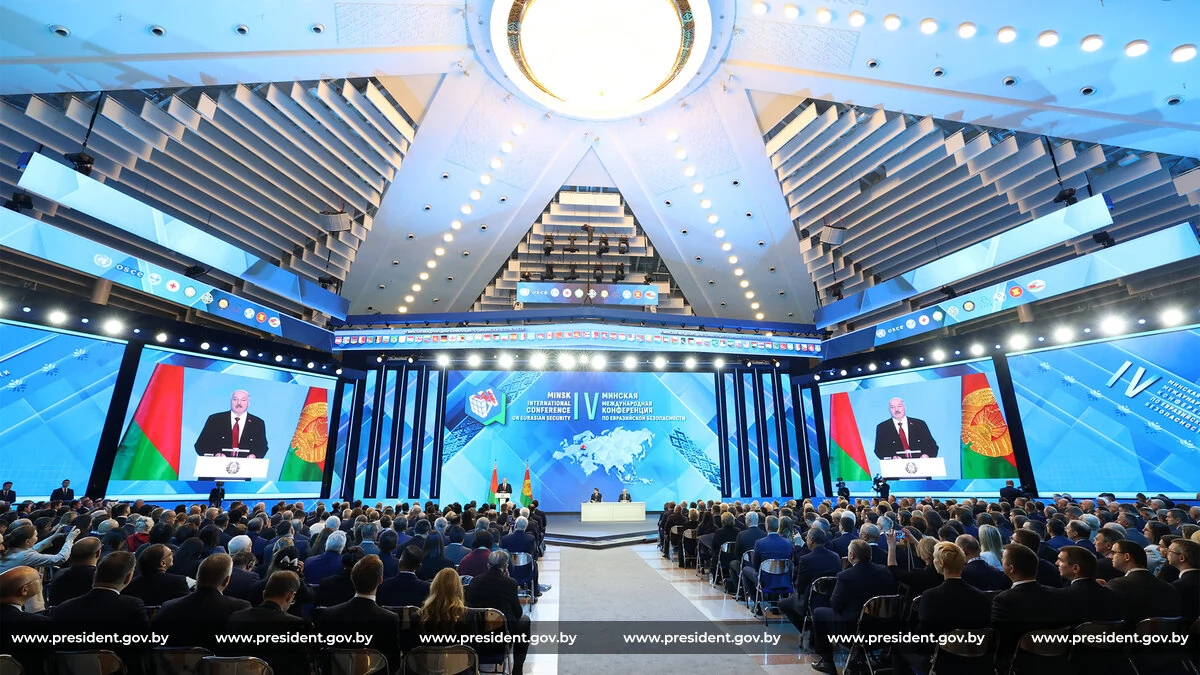
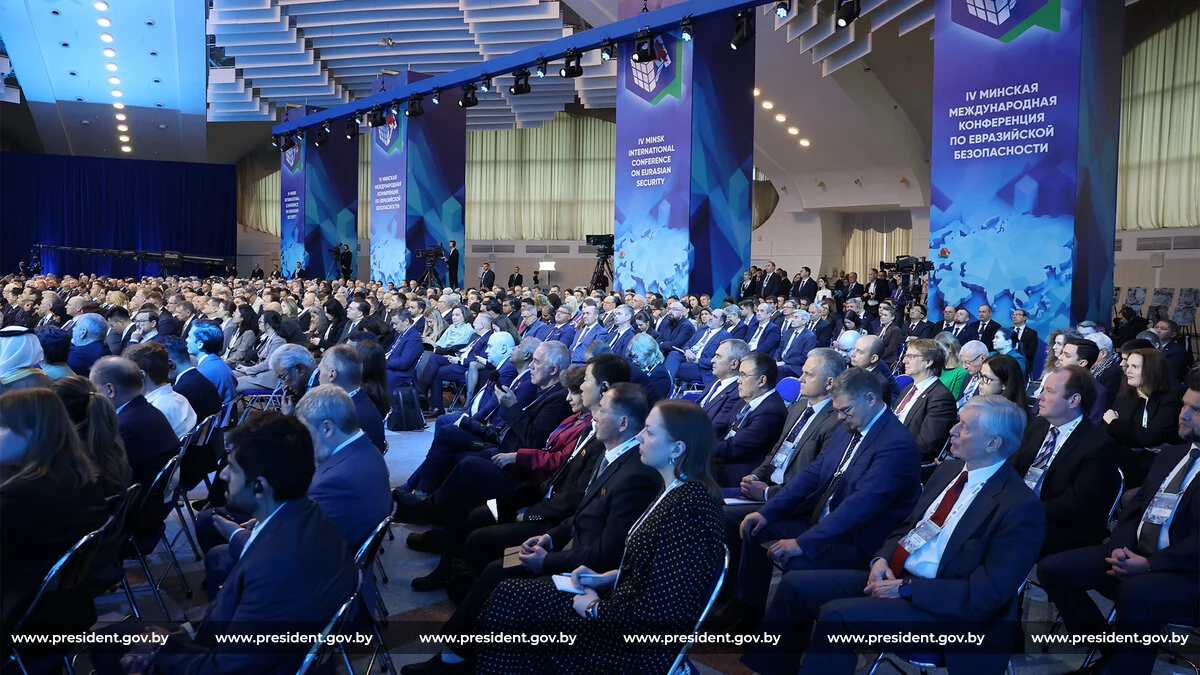
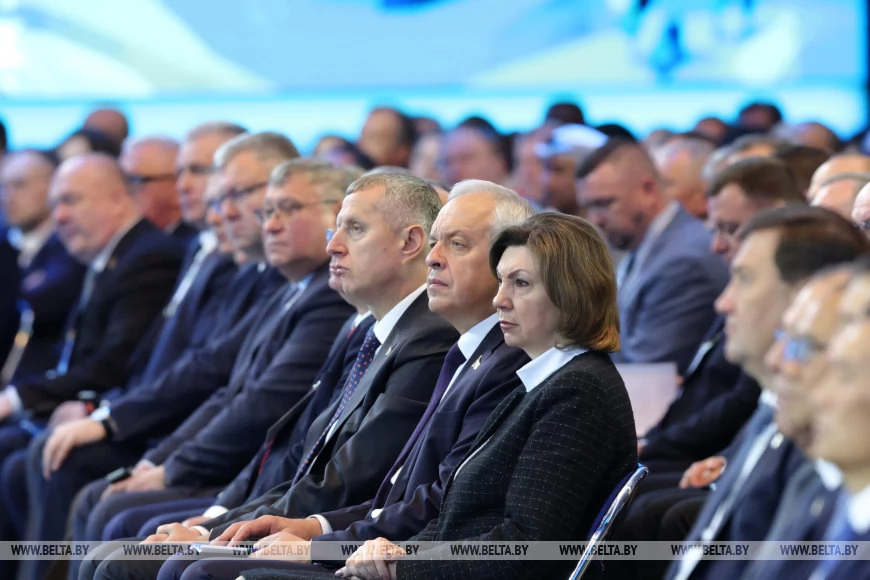
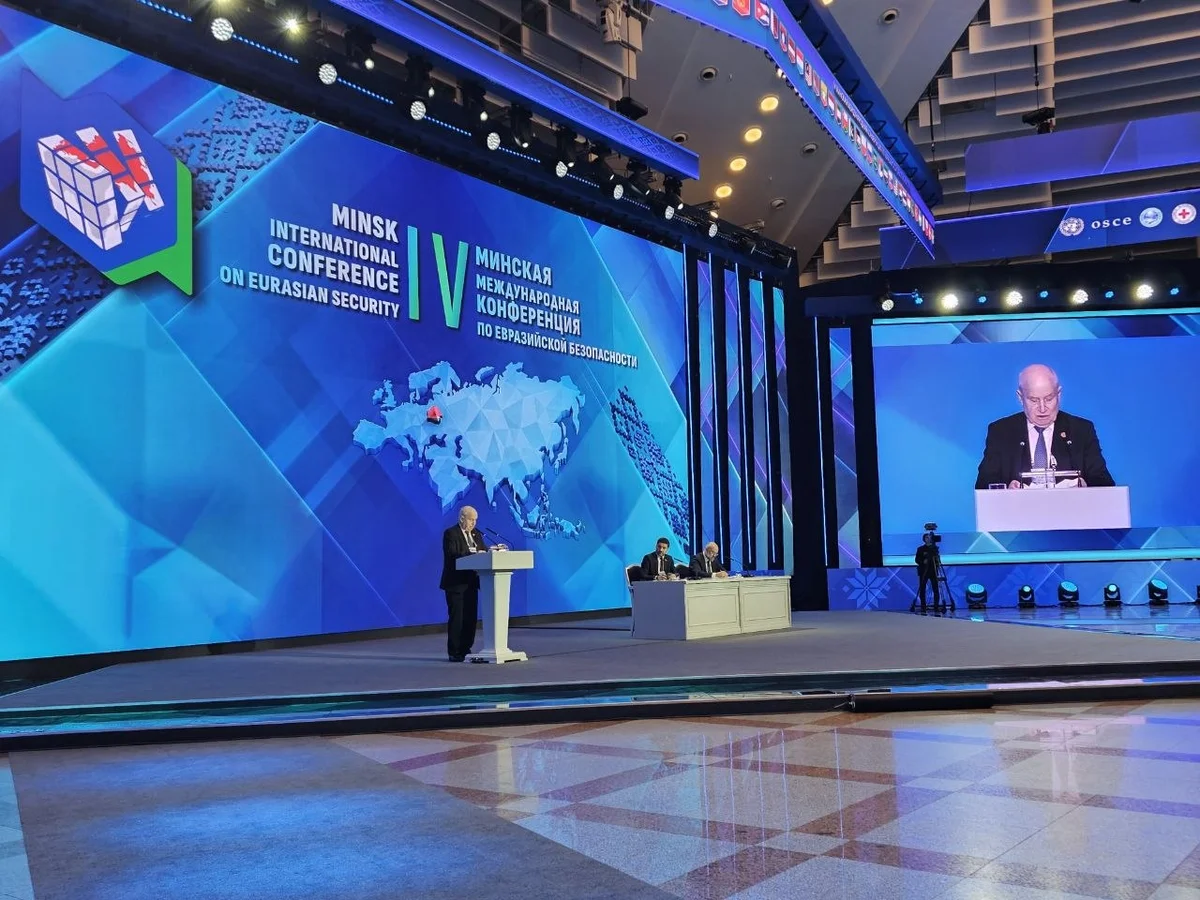
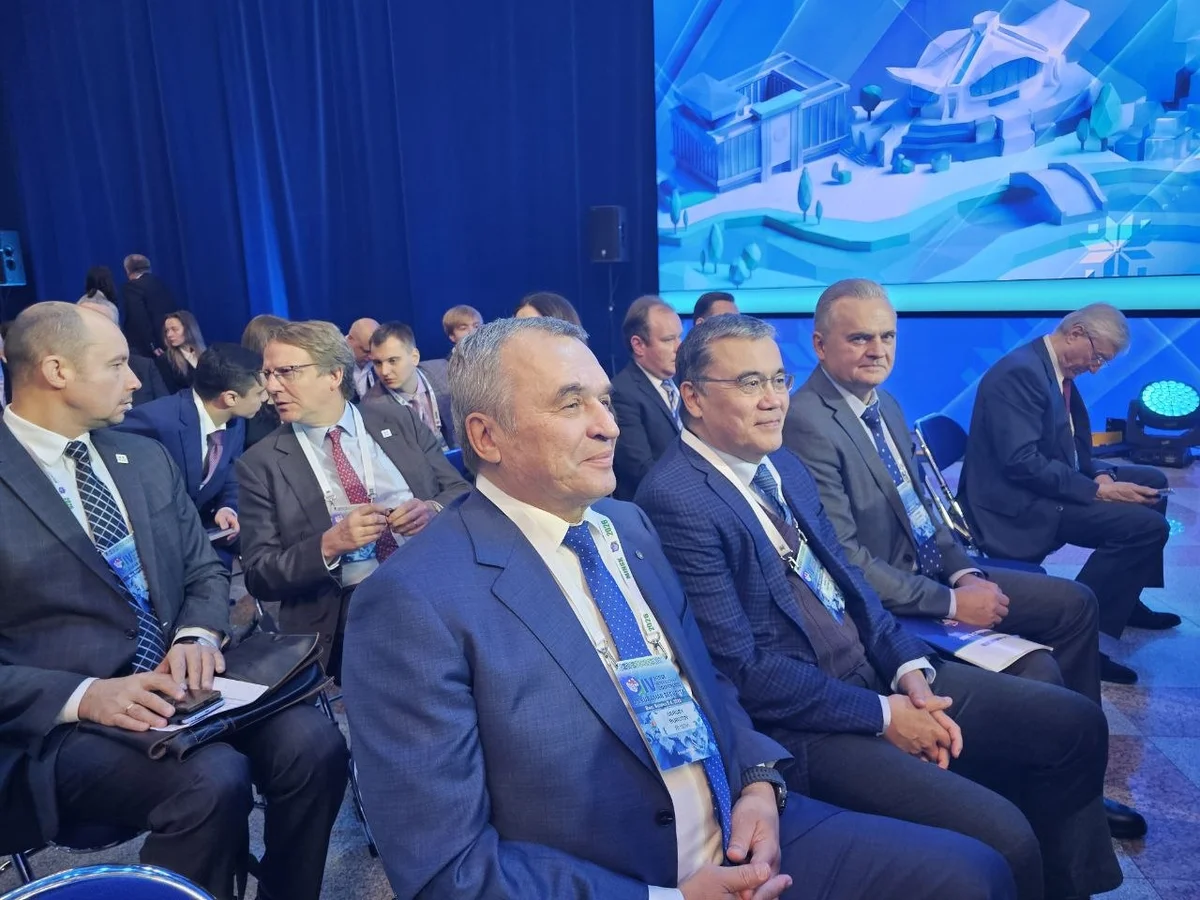
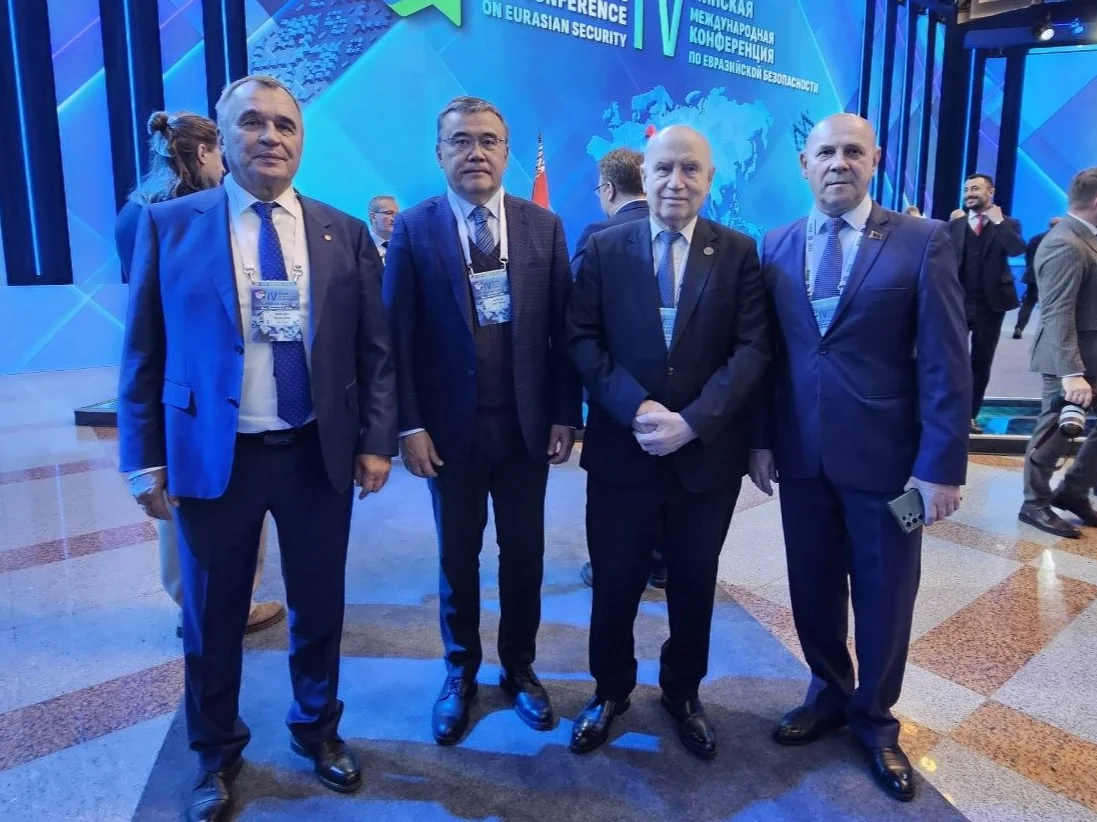
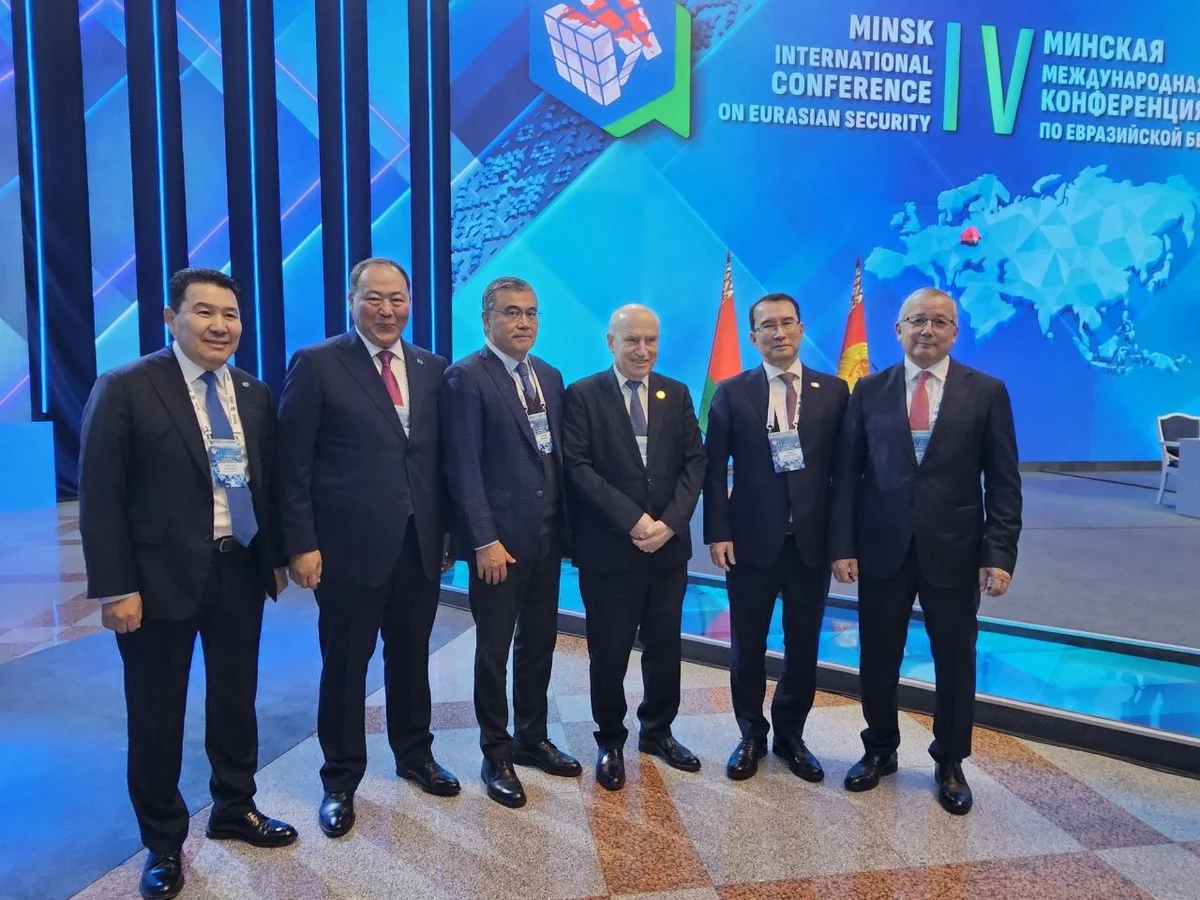
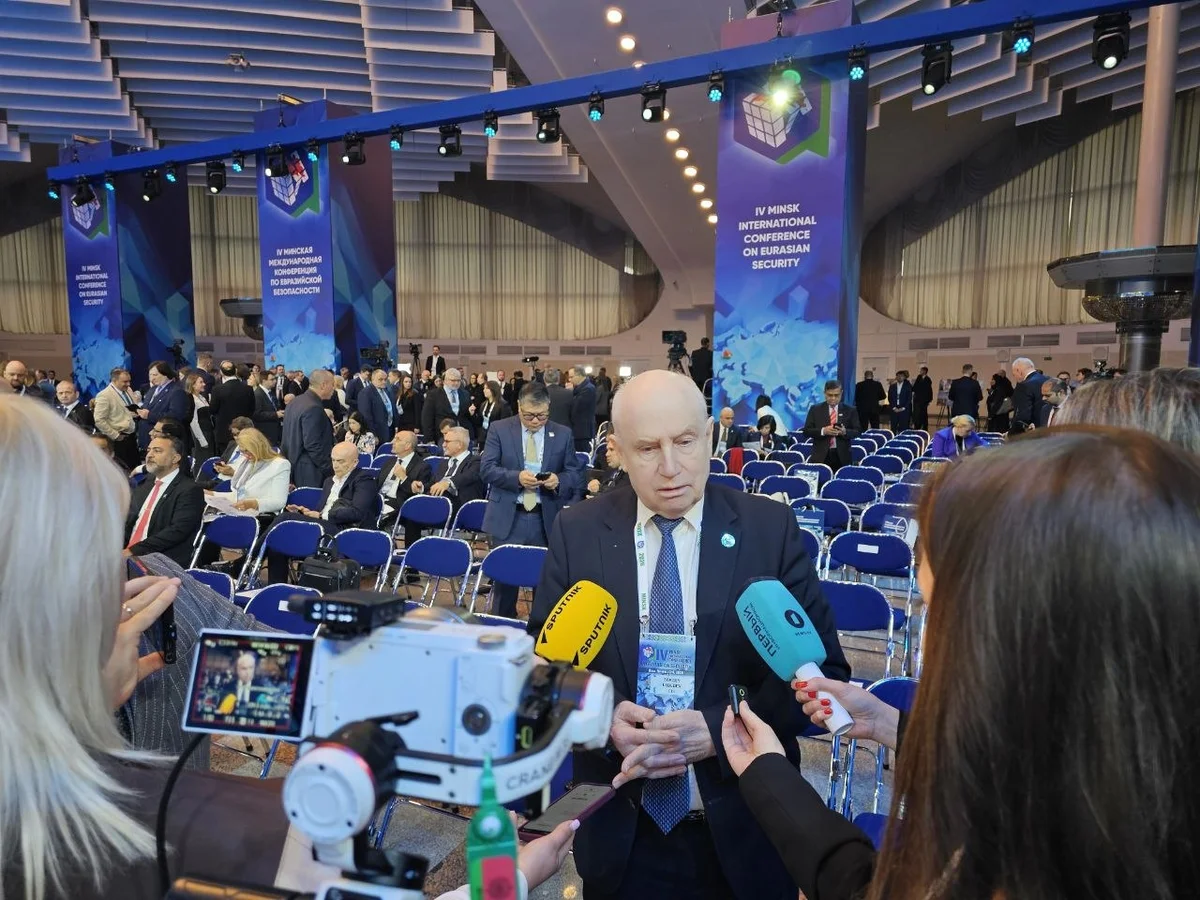
On November 3, 2026, the 4th Minsk International Conference on Eurasian Security opened in the Belarusian capital. More than 600 experts from around the world are taking part in the event.
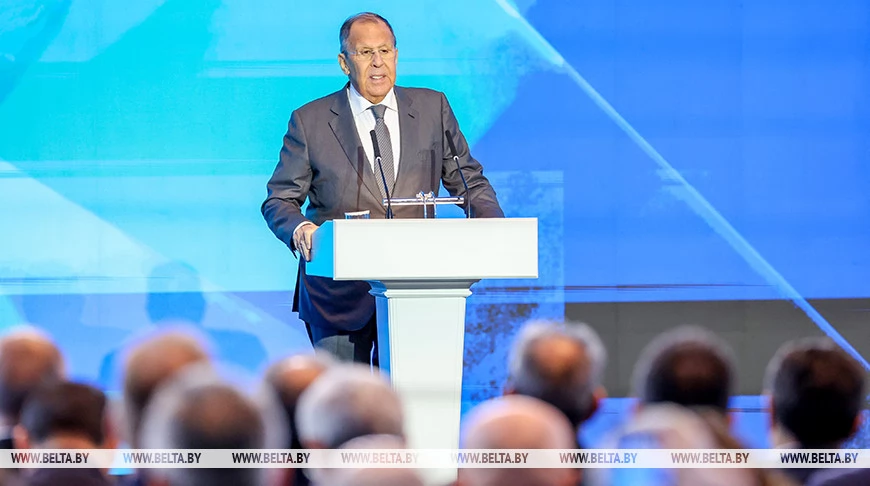
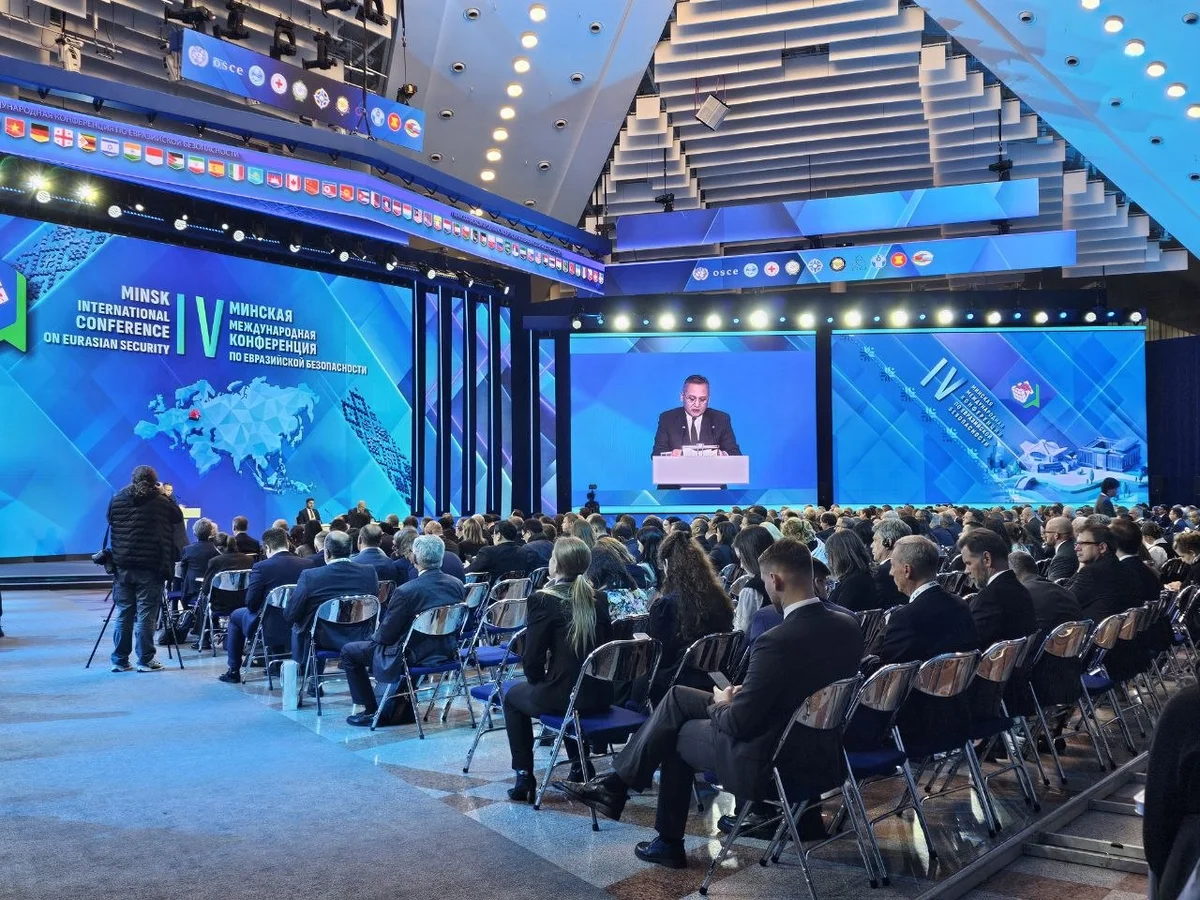
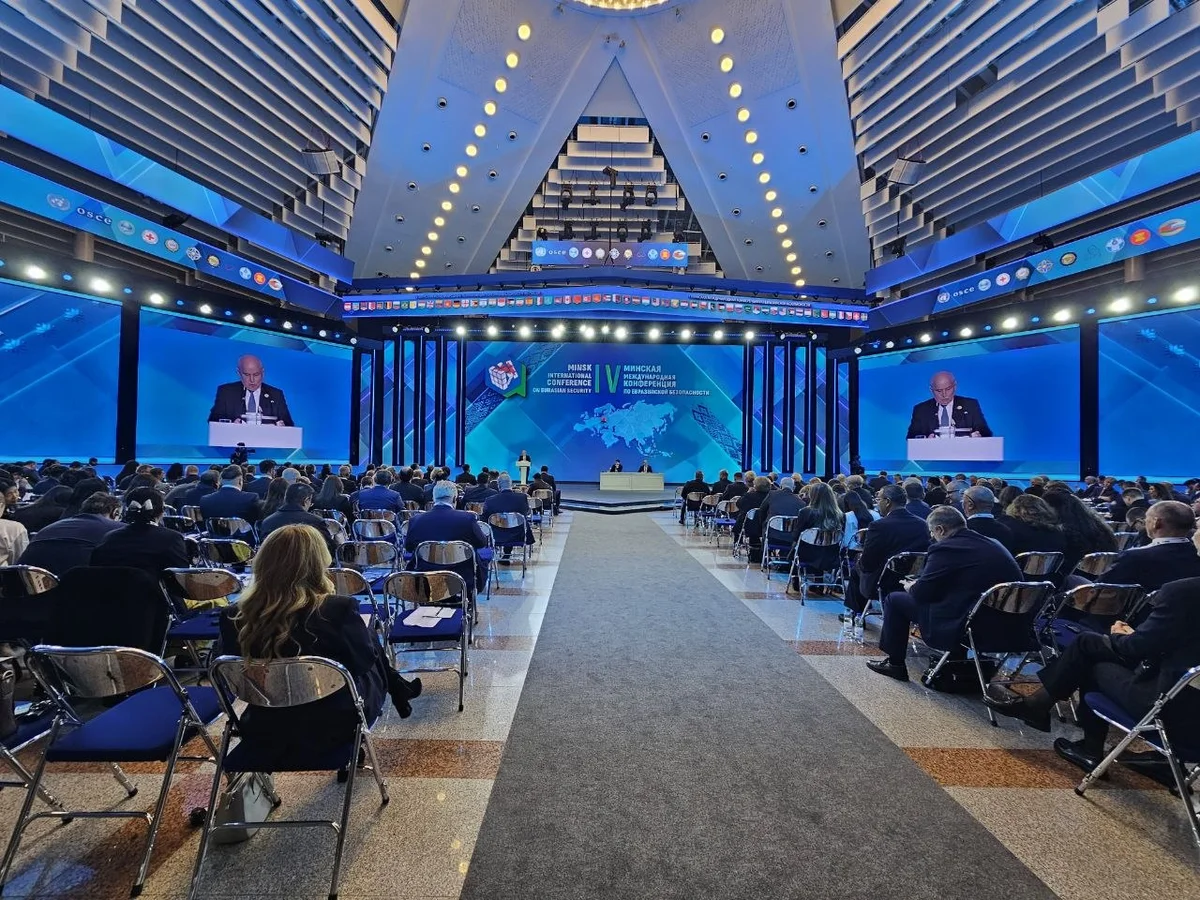
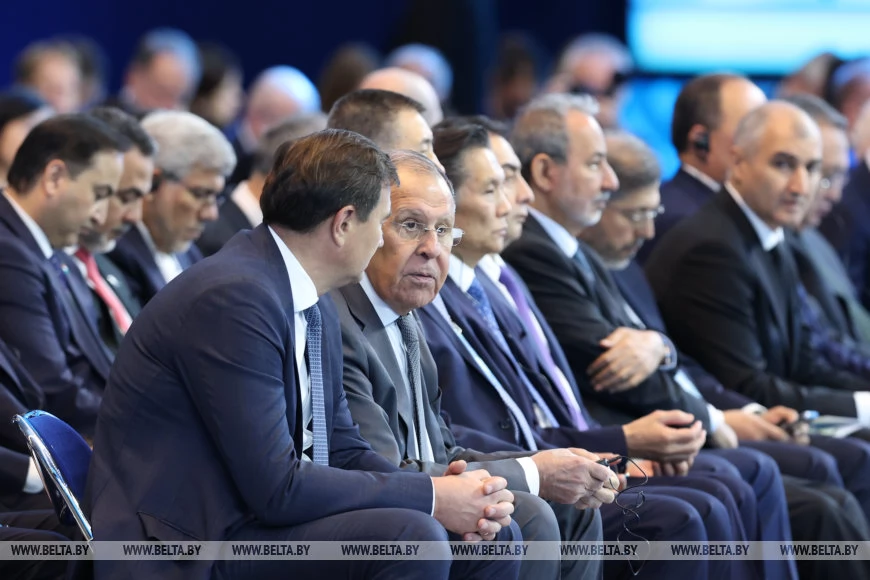
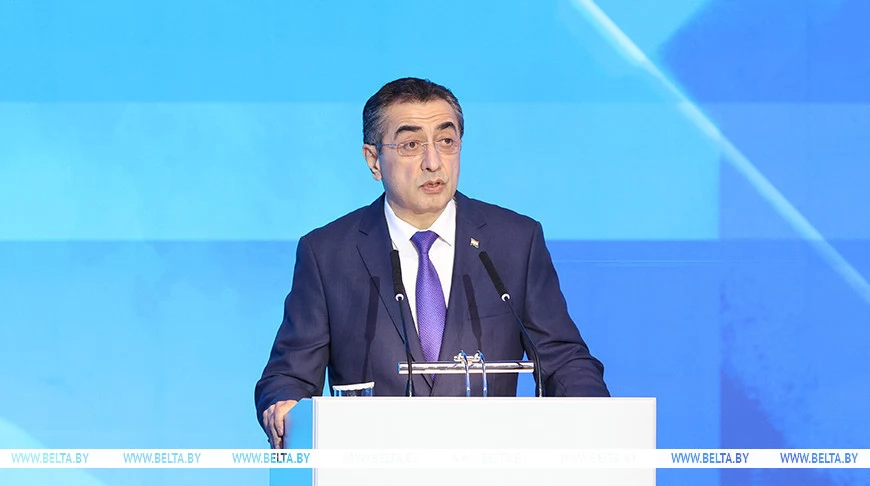
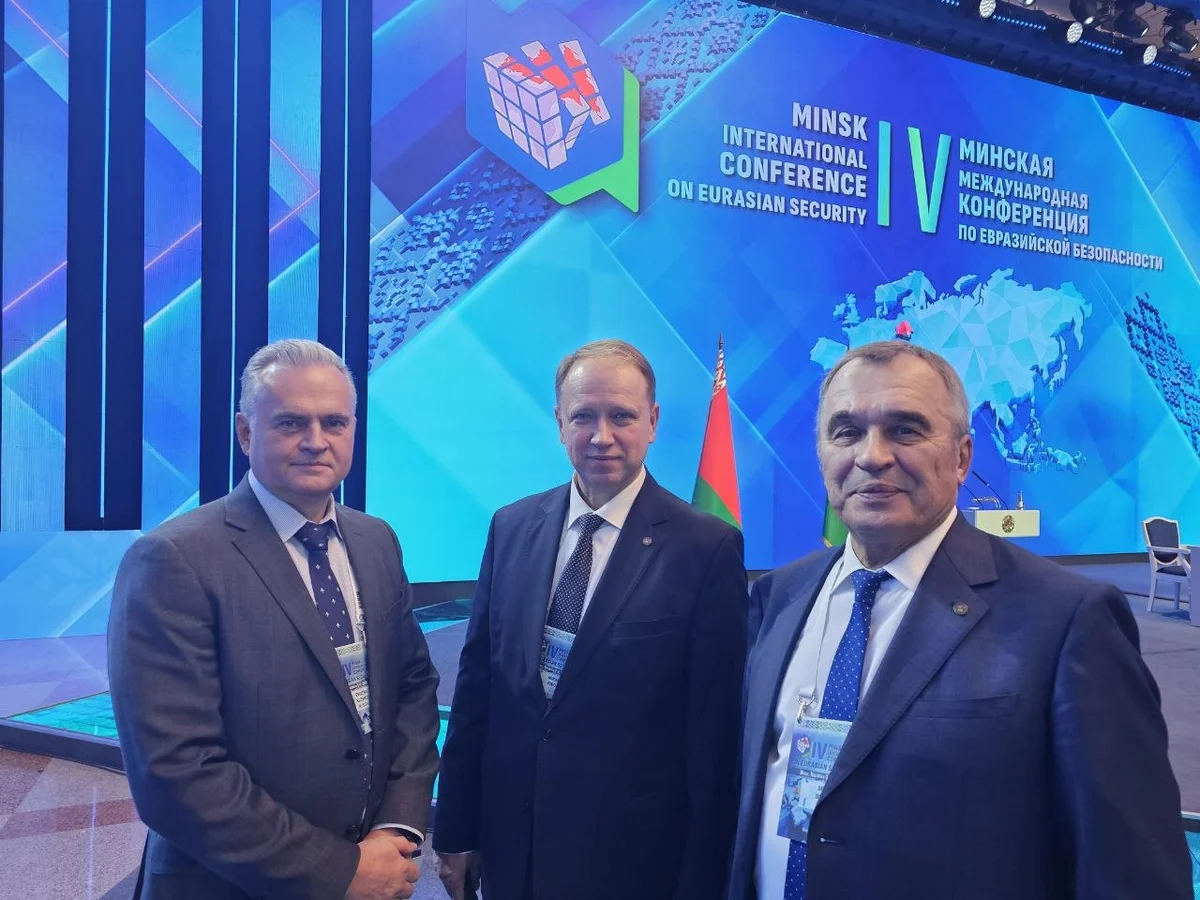
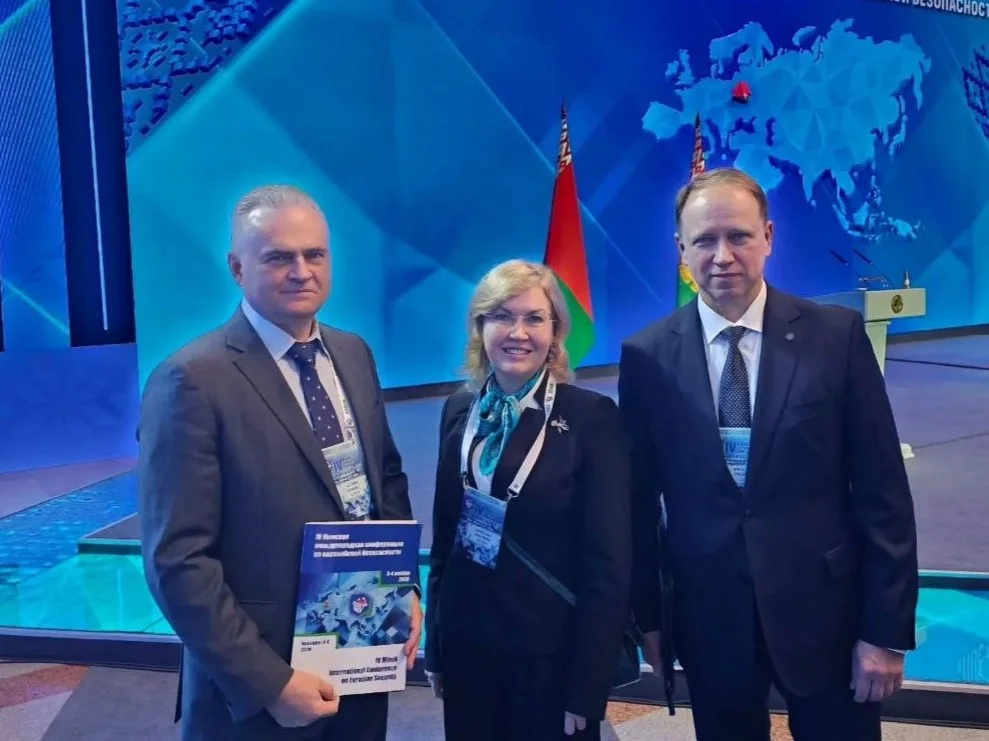
The conference agenda covered regional and global security, arms control, information security, economic integration and artificial intelligence.
An important topic of discussion was Belarus’s initiative to develop the Eurasian Charter of Diversity and Multipolarity in the 21st Century. Its aim is to enshrine the principles of interstate cooperation and lay the foundation for a new international security architecture.
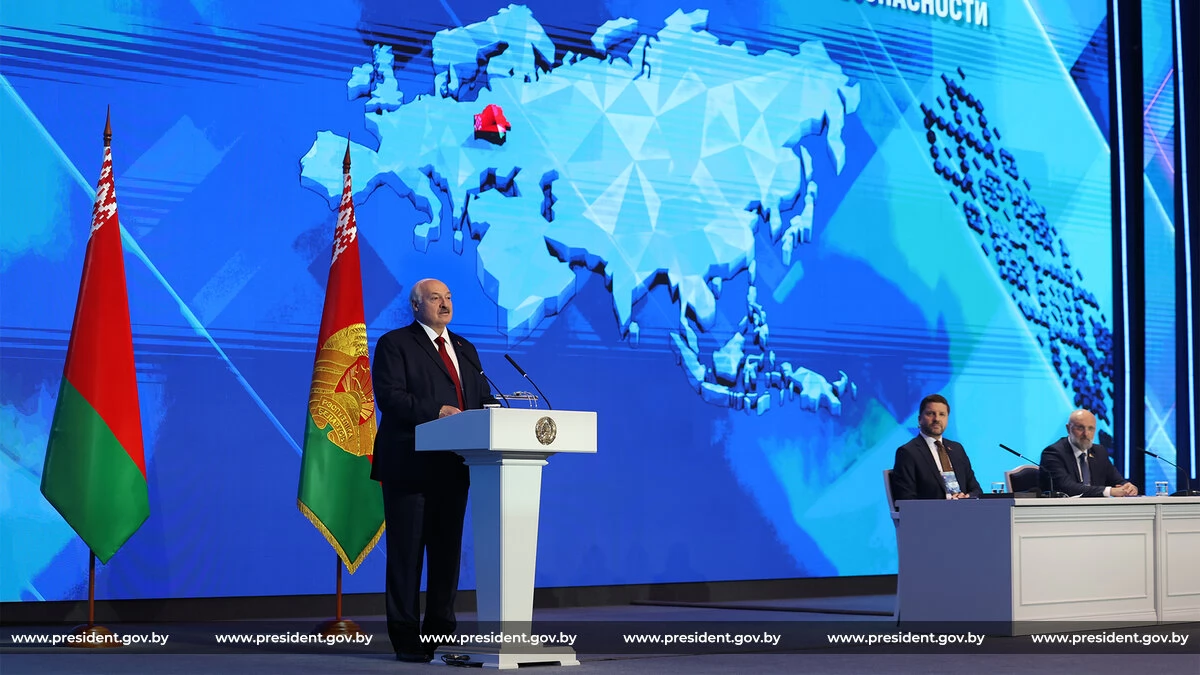
The plenary session was opened by President of the Republic of Belarus Aleksandr Lukashenko.
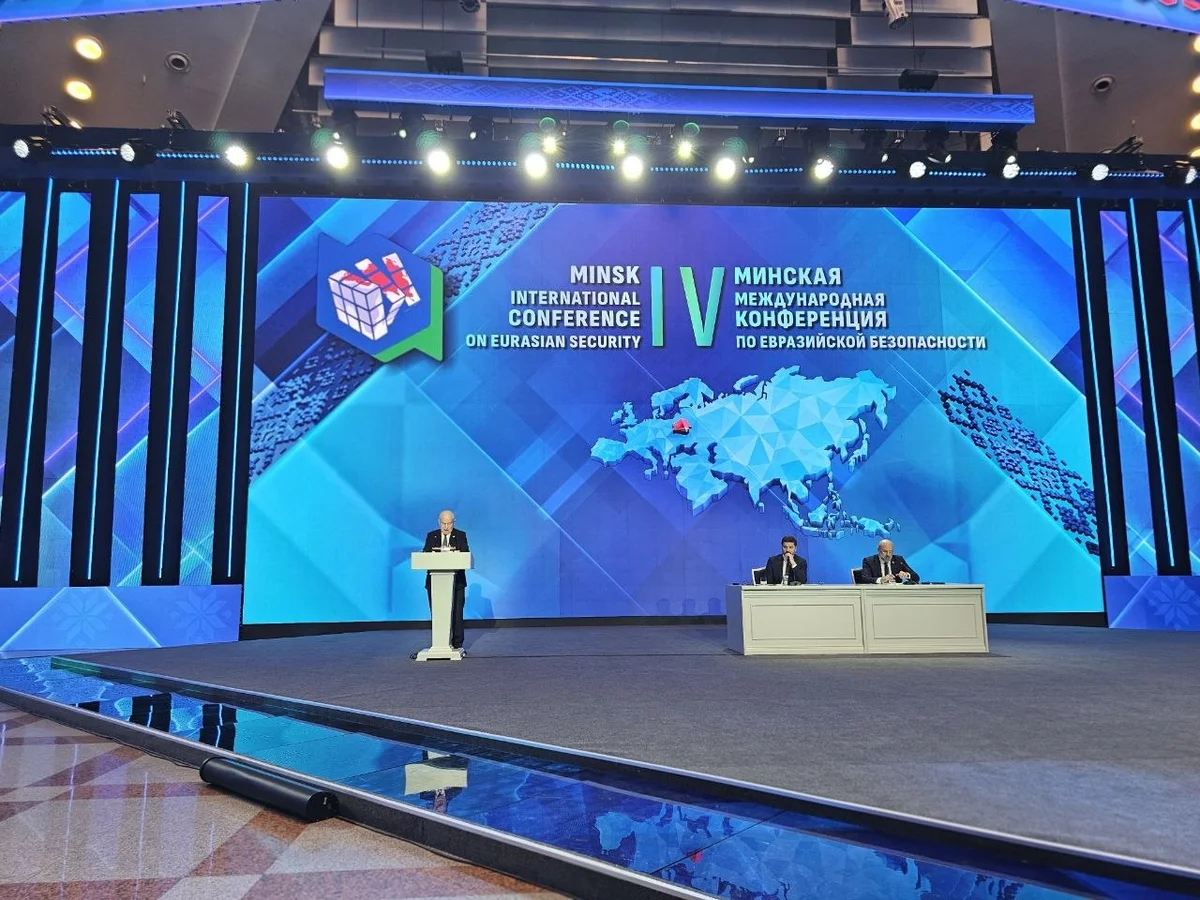
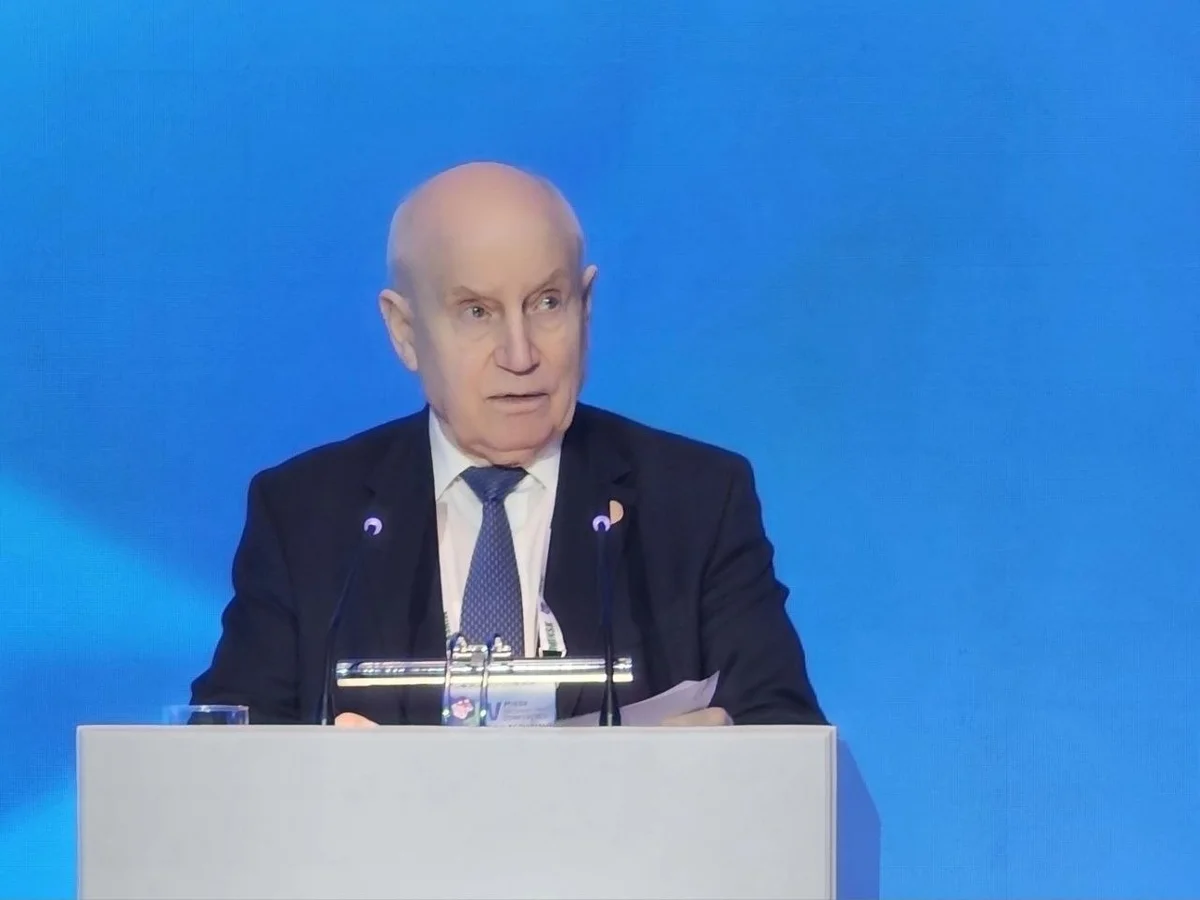
The CIS Executive Committee delegation took part in the conference. Sergey Lebedev, the CIS Secretary-General and head of the delegation, delivered an address at the plenary session:
“Ladies and gentlemen,
I warmly welcome you and express my gratitude for the invitation to participate in the conference.
The importance of ensuring Eurasian security continues to grow. Over the course of this year alone, we have witnessed the emergence of new hotspots of tension and lines of confrontation in regions neighboring the Commonwealth of Independent States, as well as in countries that are actively developing partnership with us.
The global energy market has once again been destabilised by events in the Middle East. The link between the deteriorating security situation and the benefits that certain circles derive from high volatility in hydrocarbon prices is becoming increasingly evident. In this way, the instigation of armed conflicts becomes a tool of economic manipulation, generating windfall profits for a few while bringing suffering and poverty to millions.
The erosion of the international security system is linked to the extreme instability of the unipolar world order. States that have arrogated to themselves the right to make unilateral decisions on matters of war and peace have become sponsors of the destruction of security rather than its guarantors, amid the degradation of democratic institutions, corruption and a loss of control over the actions of their elites.
It hardly needs saying that foreign forces can be clearly seen behind all the bloodiest conflicts of recent years, fueling them. Let us recall the lessons of the so-called Arab Spring, generously supported by the West. Its consequences include a decade of war in Libya and Syria and mass unrest in a number of other Arab countries. There are clear parallels with Afghanistan’s history over nearly half a century, where the Afghan people managed to put an end to the bloodshed only a few years ago.
Attempts by foreign forces to throw our region into turmoil have never ceased. A succession of colour revolutions and the sponsorship of radical nationalist and religious extremist movements are just some of the instruments in the arsenal of the destructive policies pursued against the Commonwealth countries.
In virtually every case, internal and interstate conflicts in our region have been instigated from abroad. Over the years, our states have developed reliable mechanisms to contain and neutralise such activities. Joint efforts to ensure security play an important role in maintaining stability across the Commonwealth.
Today, the CIS’s external borders are reliably protected against the infiltration of radical extremist elements and terrorist groups. The CIS Council of Heads of Security Agencies and Special Services and the CIS Anti-Terrorism Center maintain continuous coordination in preventing, identifying and suppressing terrorist and other subversive activities by various forces within our countries. The cooperation involves all law enforcement agencies. The security cooperation in the military sphere also continues to make a significant contribution to strengthening the defence capabilities of the CIS member states.
The main result of this work is that various threats and activities that could destabilise the situation have been contained and neutralised in the nine states that form the solid core of the CIS: Russia, Belarus, and the Central Asian and Transcaucasian republics. This, in turn, is a necessary condition for our countries to embark on a path of sustainable growth.
Recent years have seen positive progress in the settlement of long-standing conflicts. At the latest meeting of the CIS Heads of State Council, Armenian Prime Minister Nikol Pashinyan noted that peace between Armenia and Azerbaijan had become a reality. Border disputes in Central Asia have been finally settled, and the delimitation of the Kyrgyz-Tajik and Kyrgyz-Uzbek borders has been completed.
Unfortunately, Ukraine has now become embroiled in the implementation of the geopolitical plans of those seeking to preserve a unipolar world order. For decades, the country has been subjected to the promotion from abroad of Russophobia, extreme nationalism, and openly fascist groups. Scenarios involving colour revolutions have been implemented there several times. Ukrainian radicals not only suppressed everything Russian within their own territory, but also openly laid claim to the regions of neighboring countries and actively engaged in training militants. It is hardly surprising that ethnic armed formations made up of representatives of the Commonwealth’s neighboring countries, trained long before the active phase of the confrontation began, are fighting in the Ukrainian army.
The degradation of existing international security mechanisms makes it impossible to resolve effectively this and other conflicts that have emerged in recent years. The institutions established to ensure security have proved incapable of exerting a decisive influence on the settlement process, as they serve, to a large extent, the interests of the states that dominate them. At the same time, the leaders of these countries increasingly choose to rely on force to resolve problems rather than on peaceful negotiations.
This approach leads to escalating tension in various part of the world and the emergence of new hotspots of acute confrontation. At the same time, the need for so-called international military intervention in crisis situations is determined at the discretion of a number of leading countries and without an appropriate mandate.
Such actions undermine the central coordinating role of the United Nations and devalue all the agreements whose observance has guaranteed peace over the past 80 years.
In view of this, the CIS member states stand united and consistently oppose such a pernicious practice. They emphasise that it is unacceptable to impose rules, standards and norms in international relations when their development has not ensured the equal participation of all interested states. In this context, the Commonwealth countries also call for the restoration of the leading role of universal institutions in addressing key international security issues.
As existing mechanisms for ensuring peace and preventing and resolving conflicts become less effective, the importance of regional organisations in addressing these issues continues to grow. The CIS, the Shanghai Cooperation Organisation, ASEAN, the Gulf Cooperation Council and other regional associations create spaces for trust and economic and humanitarian cooperation, where there is no place for confrontation.
A new Eurasian security architecture has begun to take shape through the establishment of contacts and ties among regional organisations across Greater Eurasia. The long-standing and fruitful relations between the CIS and the Shanghai Cooperation Organisation, have developed most dynamically, reaching the level of full-fledged partnership last year. The Collective Security Treaty Organisation is also extensively involved as a third party in the two organisations’ joint work on security issues.
In the context of expanding cooperation with regional organisations across Eurasia, I would like to emphasise that the CIS fully supports the launch of negotiations on developing the Eurasian Charter of Diversity and Multipolarity in the 21st Century, initiated during the High-Level Week of the 81st session of the UN General Assembly in September this year. Significantly, Russia is not the only country actively involved in this process. Kazakhstan, Kyrgyzstan and Tajikistan, together with our close partners such as Iran, also signed a corresponding joint statement at the ministerial meeting at the United Nations.
The new poles of the multipolar world order are called upon to support and develop interstate cooperation both within their respective regions and globally, serving as pillars of a system of equal and mutually beneficial international relations. Russia, China, India and a number of other major players currently support this rethinking of the role of leading world powers and key developing countries across Eurasia. BRICS can be viewed as a prototype of a future partnership network of states that play leading roles in their respective regions.
Achieving peace and stability undoubtedly requires a common approach that takes into account the legitimate interests of all Eurasian countries and is based on creating a common space in which all interested parties can feel confident about their security. Eurasia accounts for a substantial share of global economic growth, and several new independent centers of the multipolar world are strengthening their positions here.
The Commonwealth of Independent States will continue to contribute to the development of a new Eurasian security architecture, relying on political and diplomatic instruments to overcome global and regional crises.
Thank you for your attention!”