A special event entitled “The Synergy of Approaches of the CIS, CSTO, and SCO in the Field of Deradicalization: Challenges and Opportunities” took place on October 28 at the CIS Headquarters in Minsk, Belarus. It was held within the framework of the 2025 chairmanship of the Republic of Tajikistan in the Commonwealth of Independent States. The aim of the event – strengthening practical interaction between the CIS, the Collective Security Treaty Organization (CSTO), and the Shanghai Cooperation Organization (SCO) in countering extremism and the spread of radical ideologies.
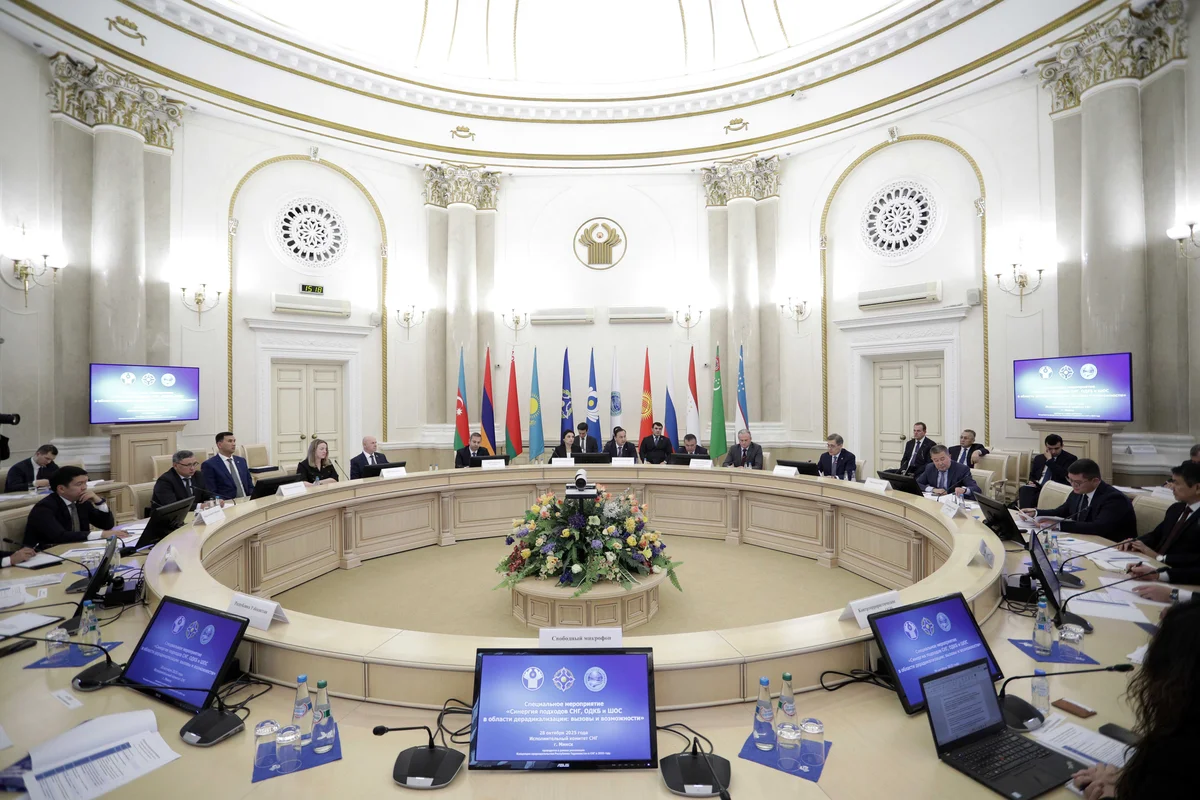
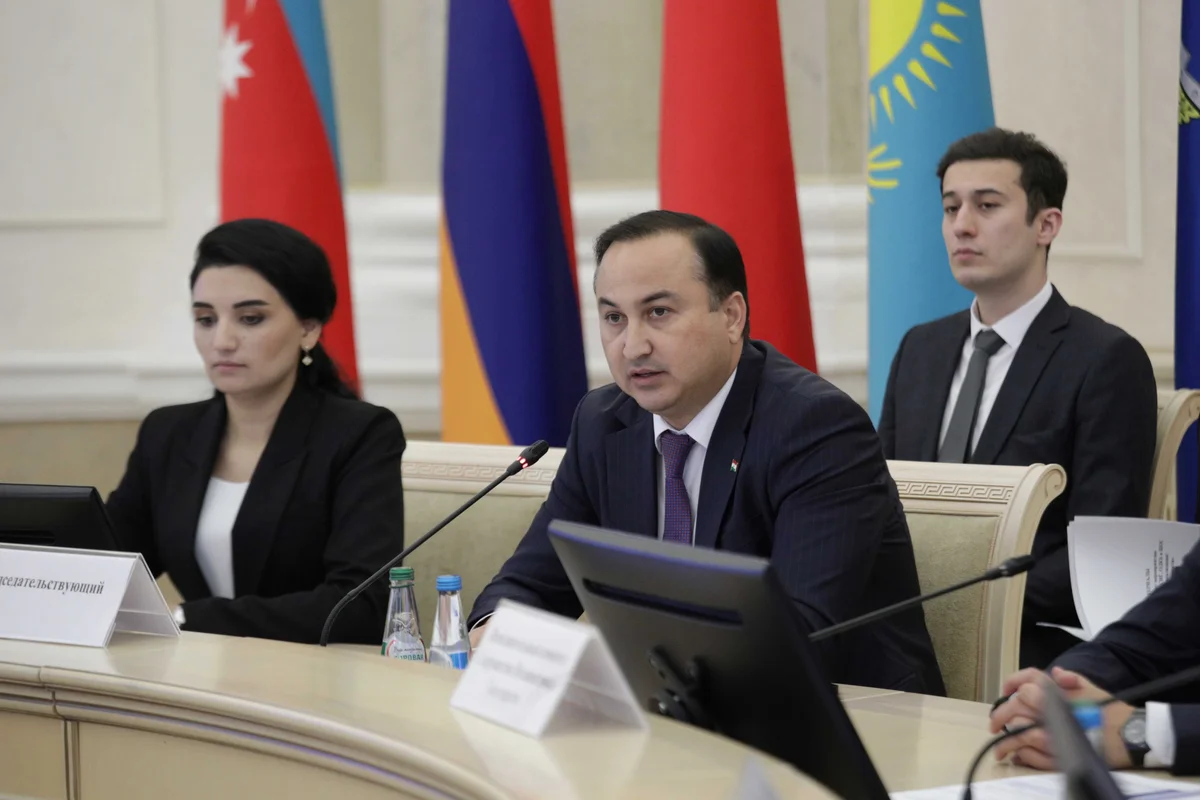
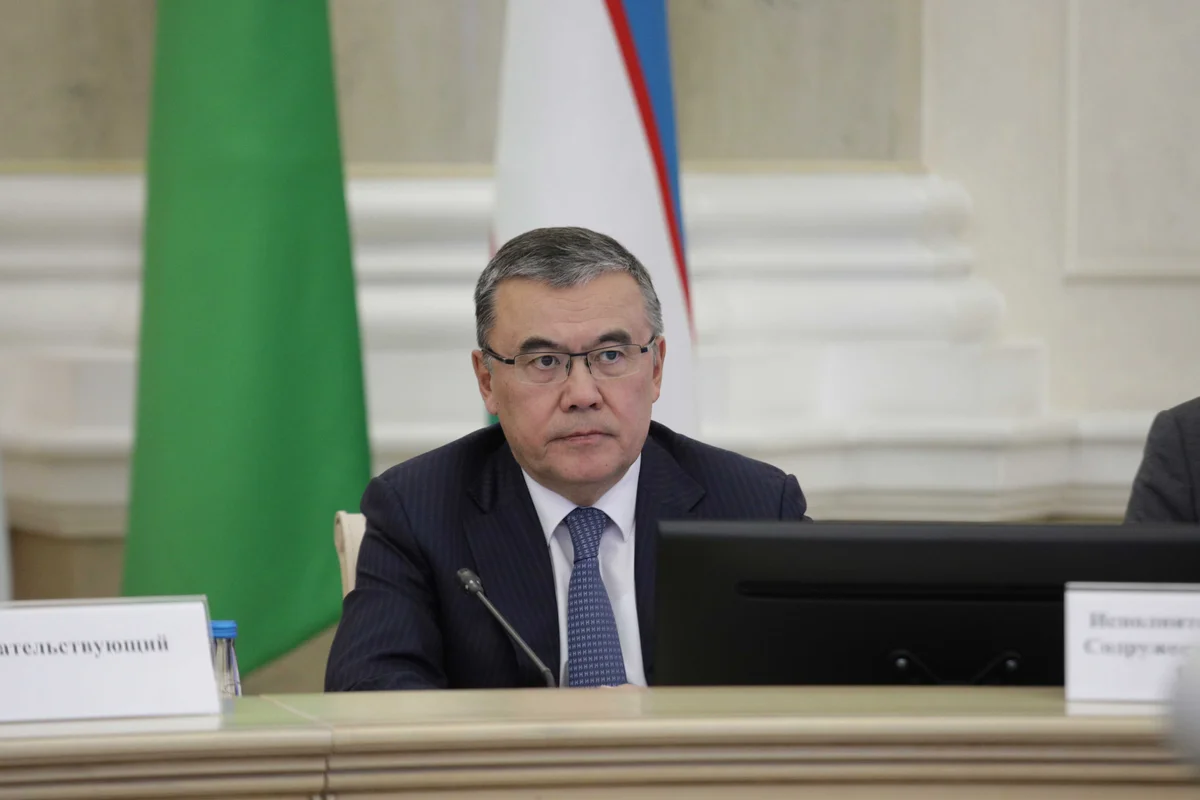
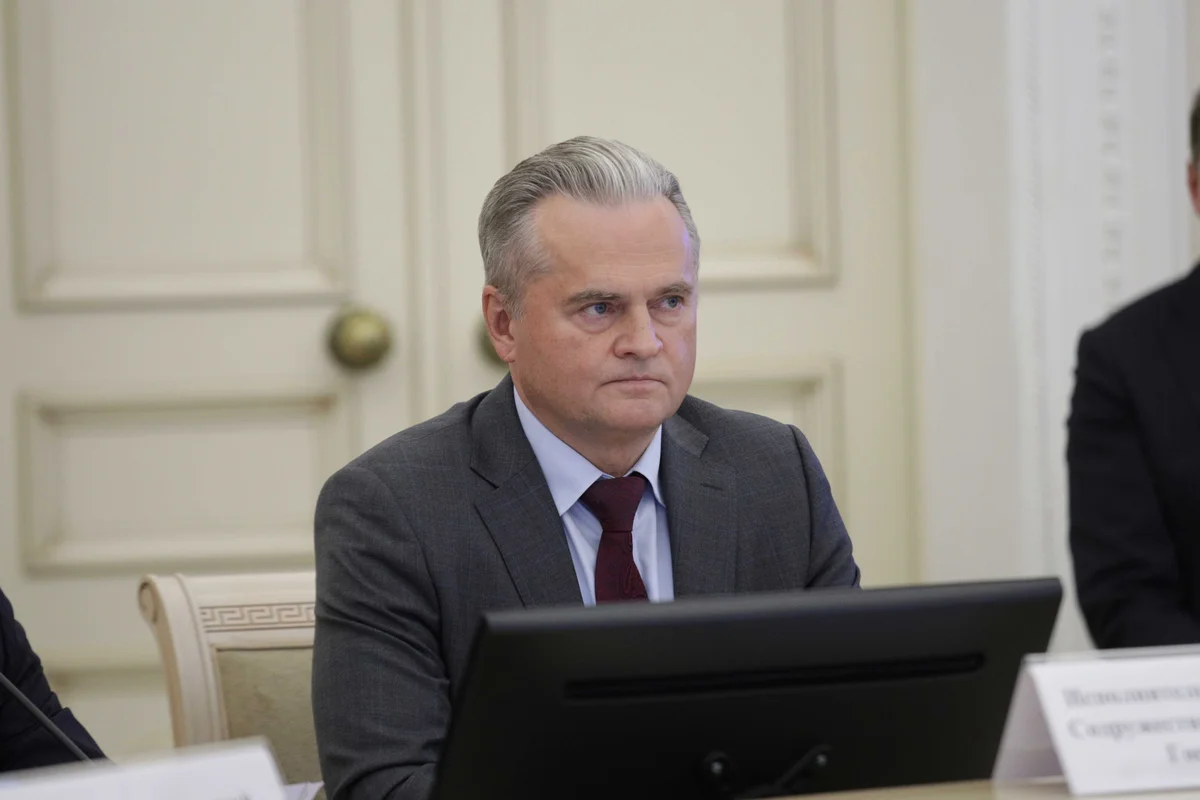
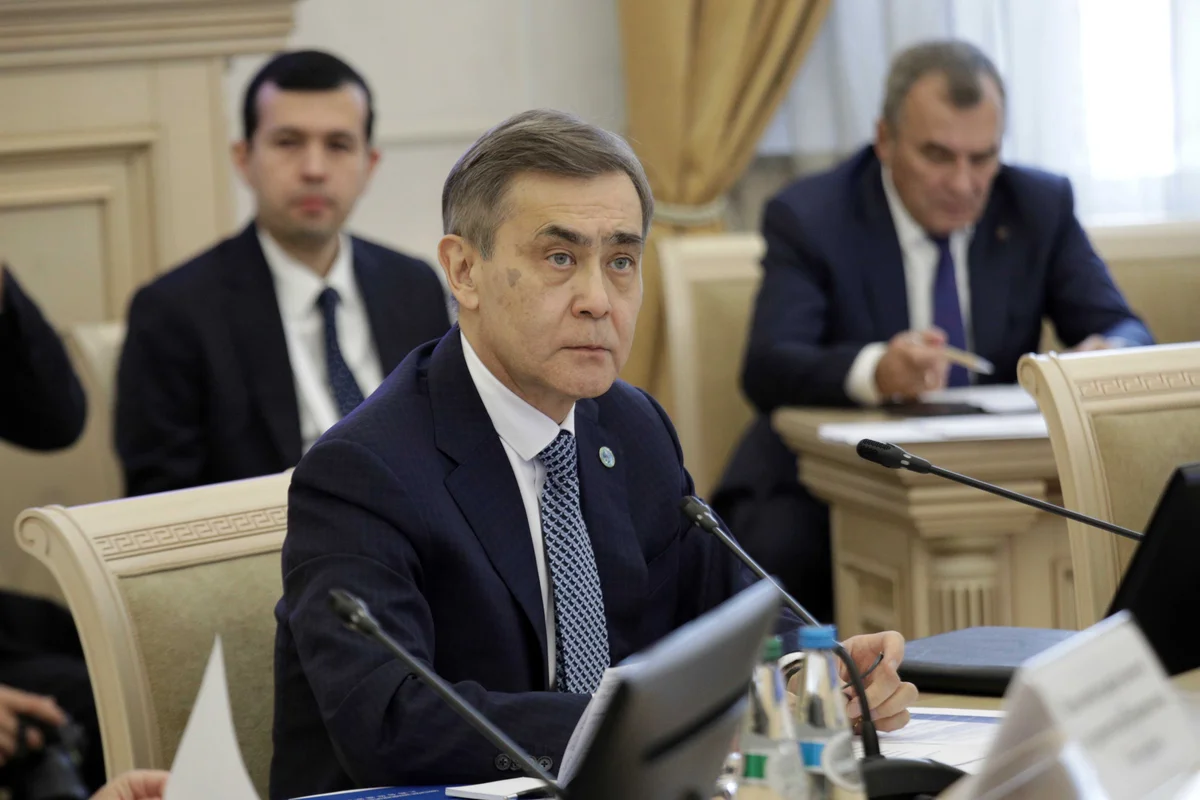
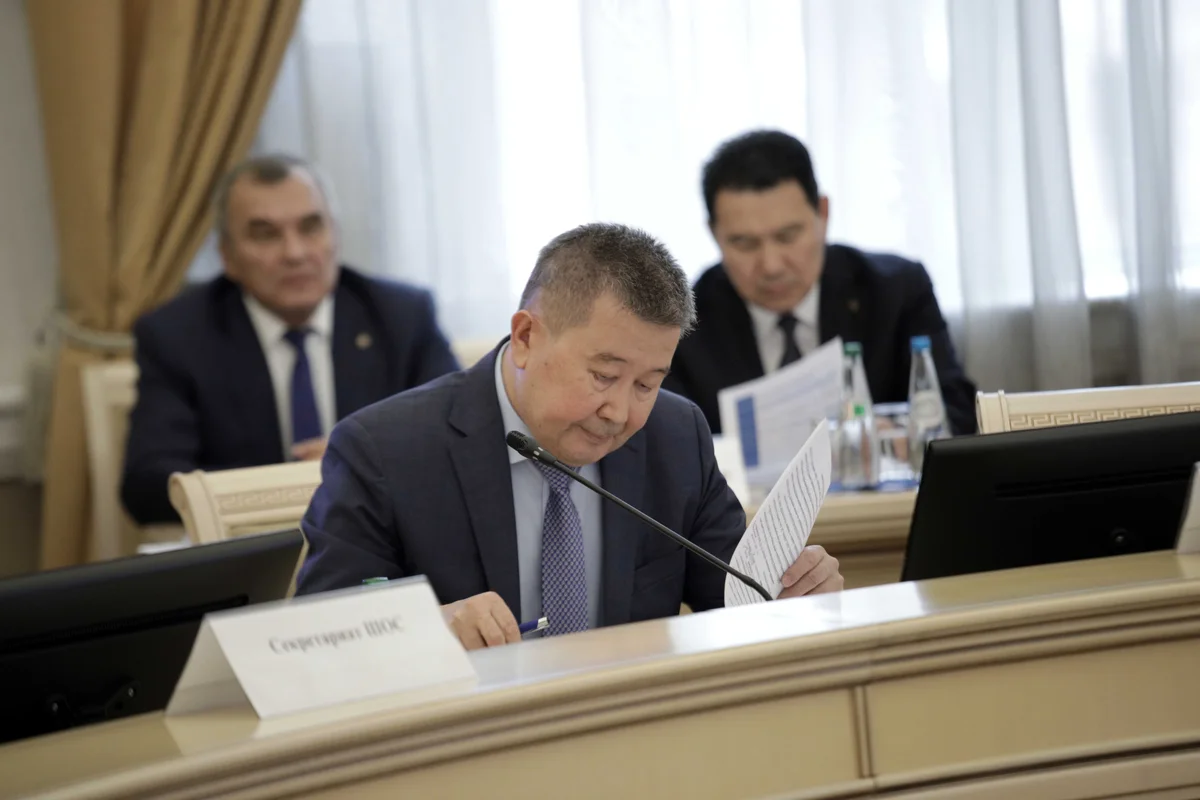
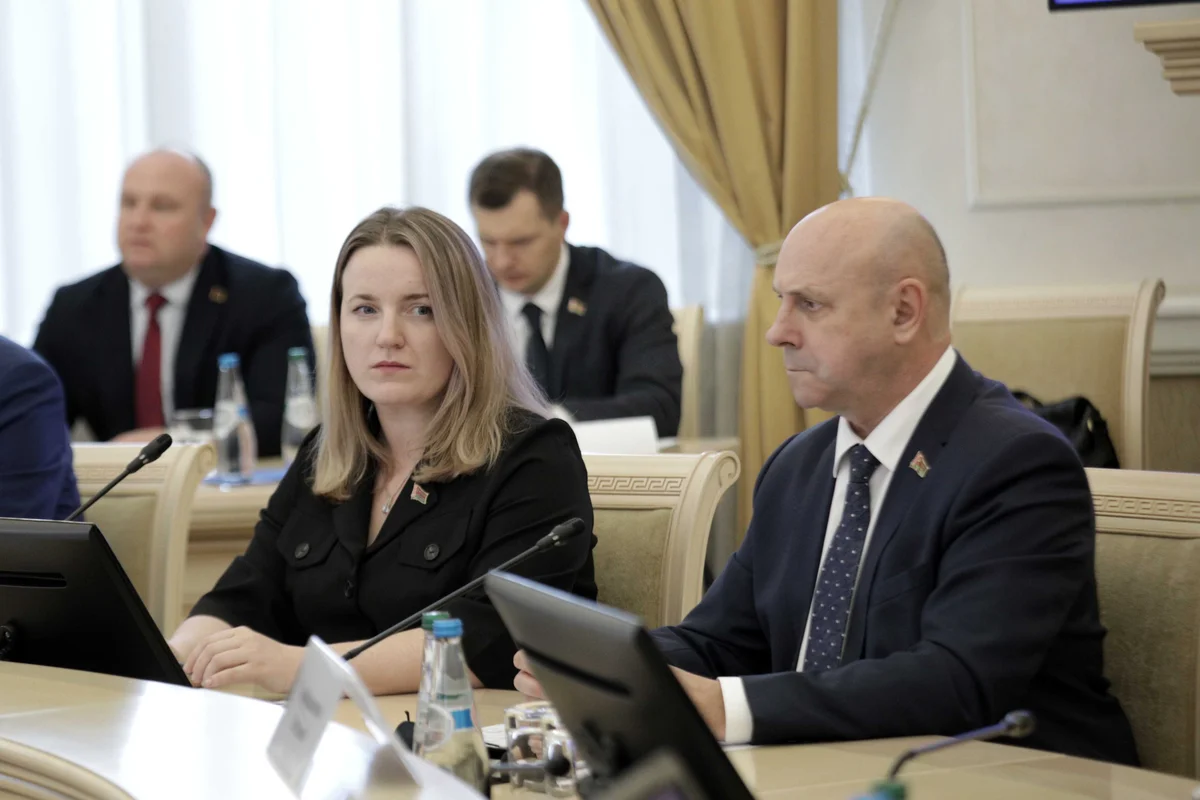
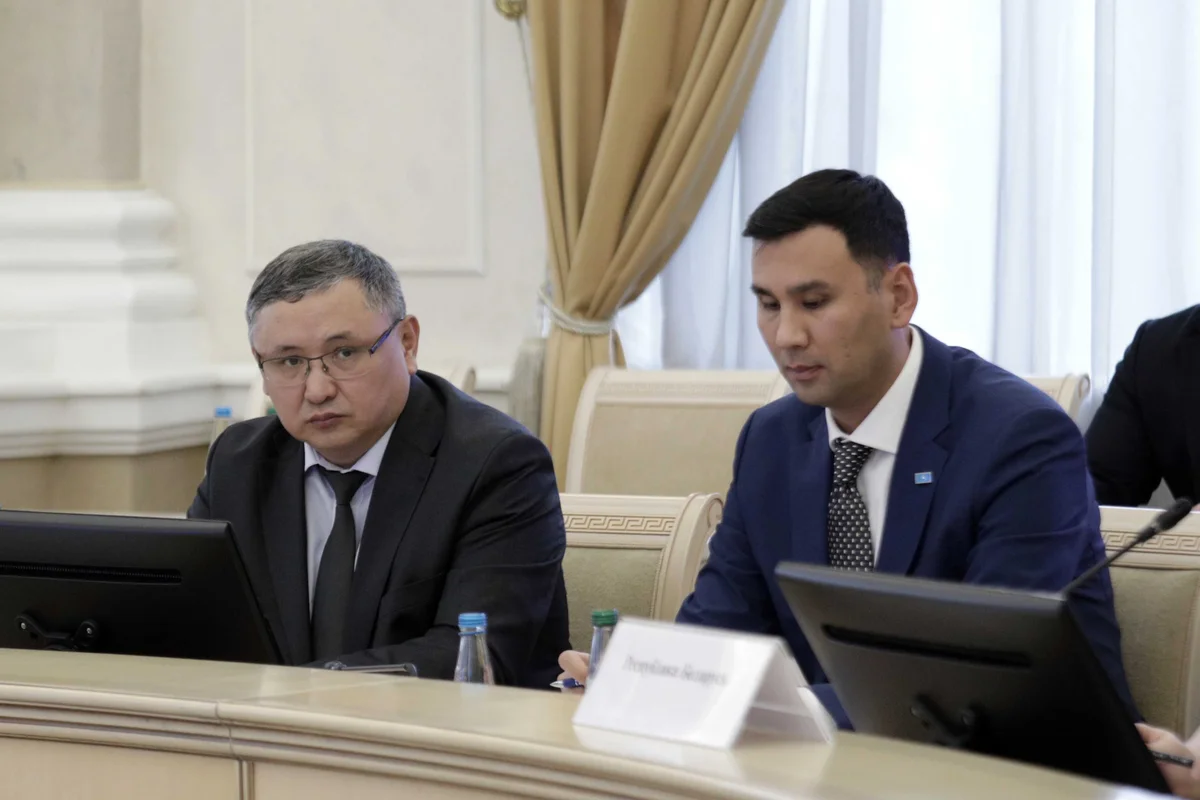
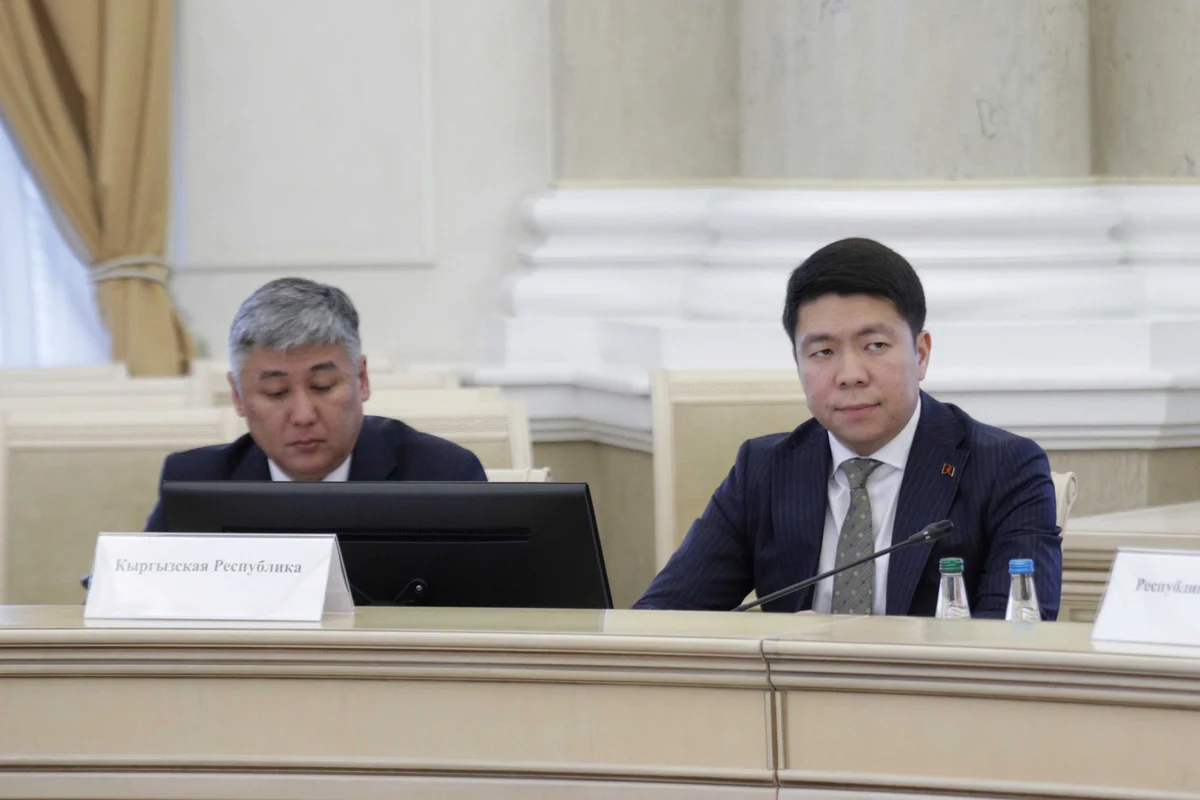
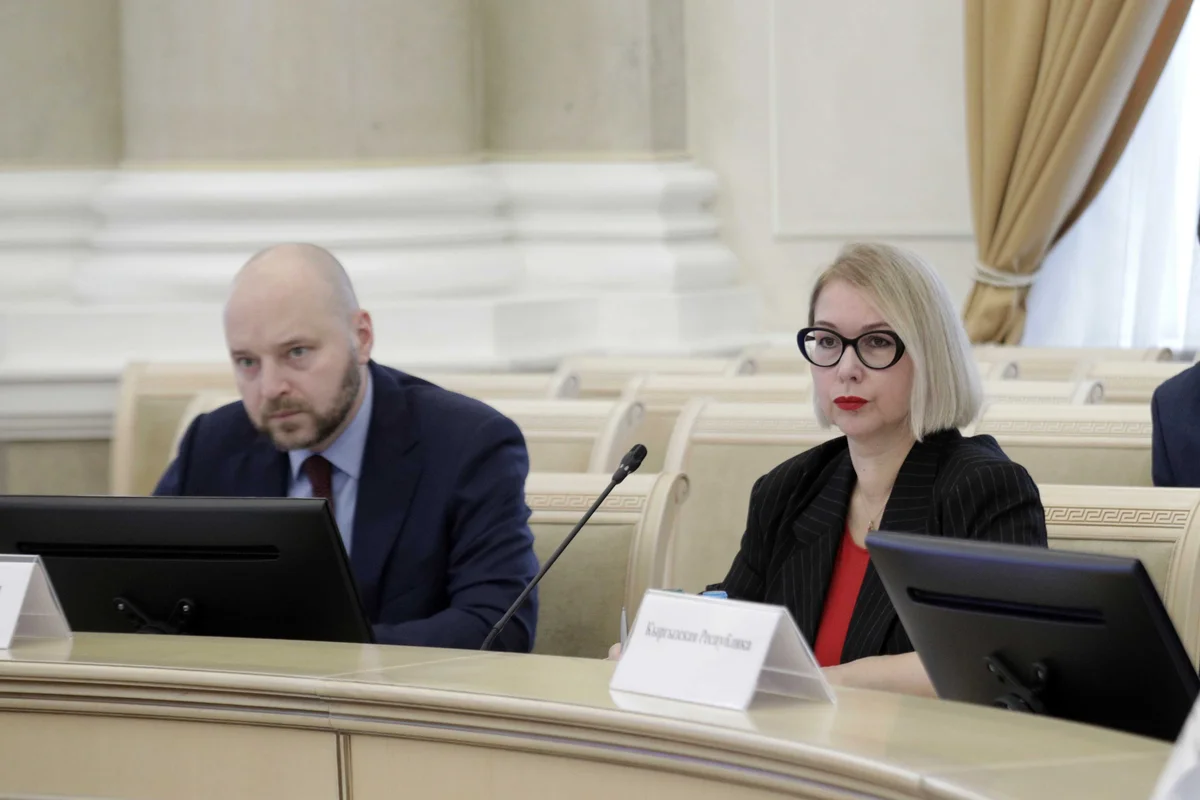
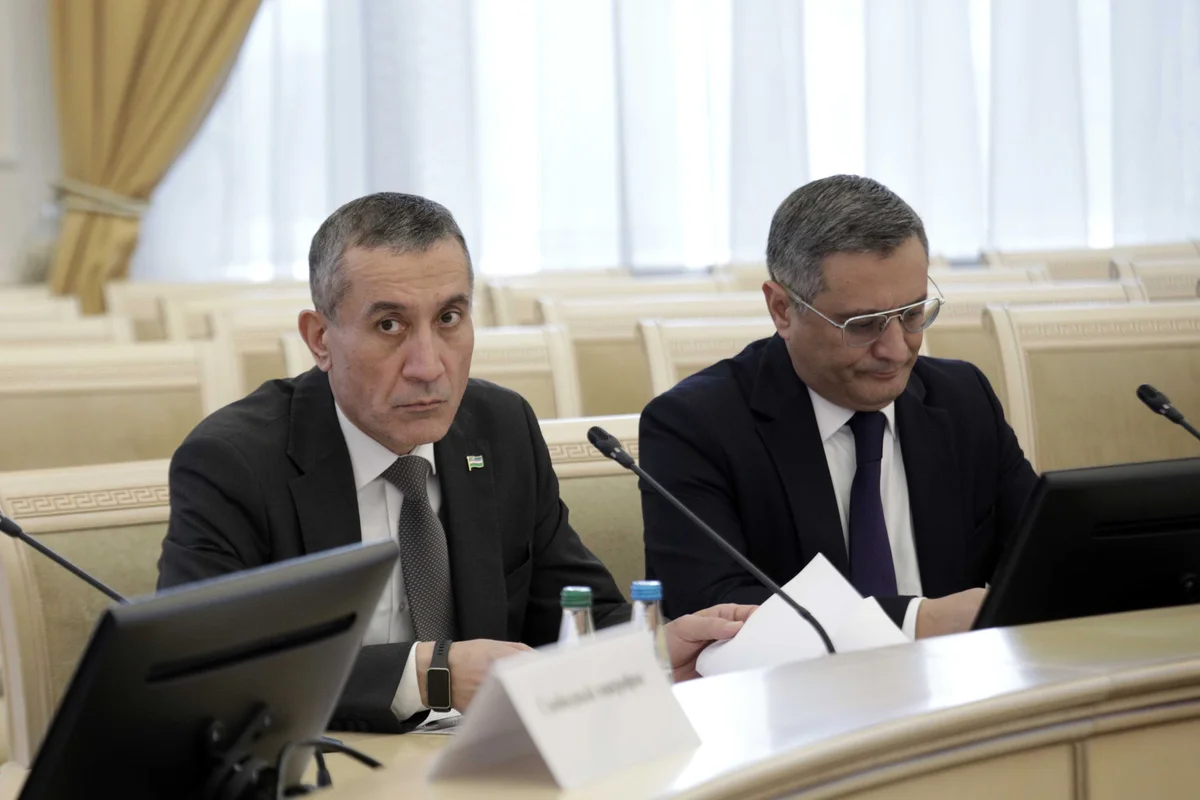
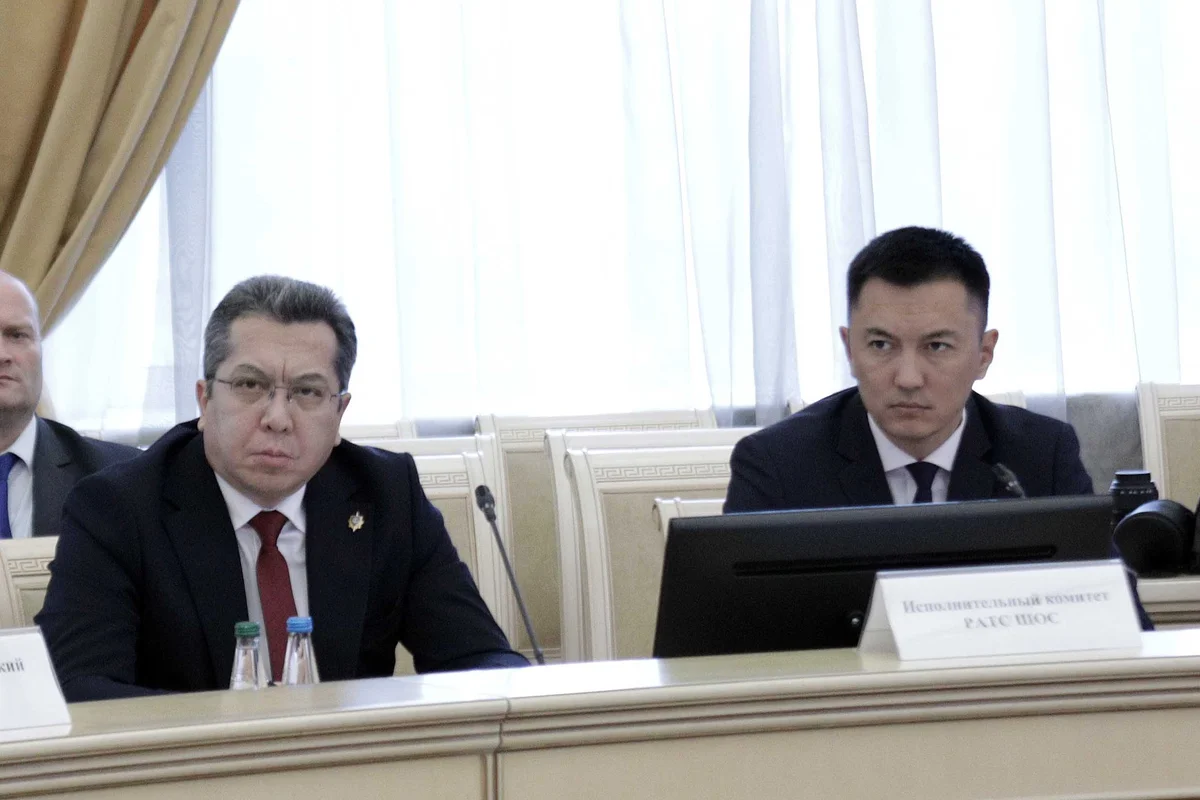
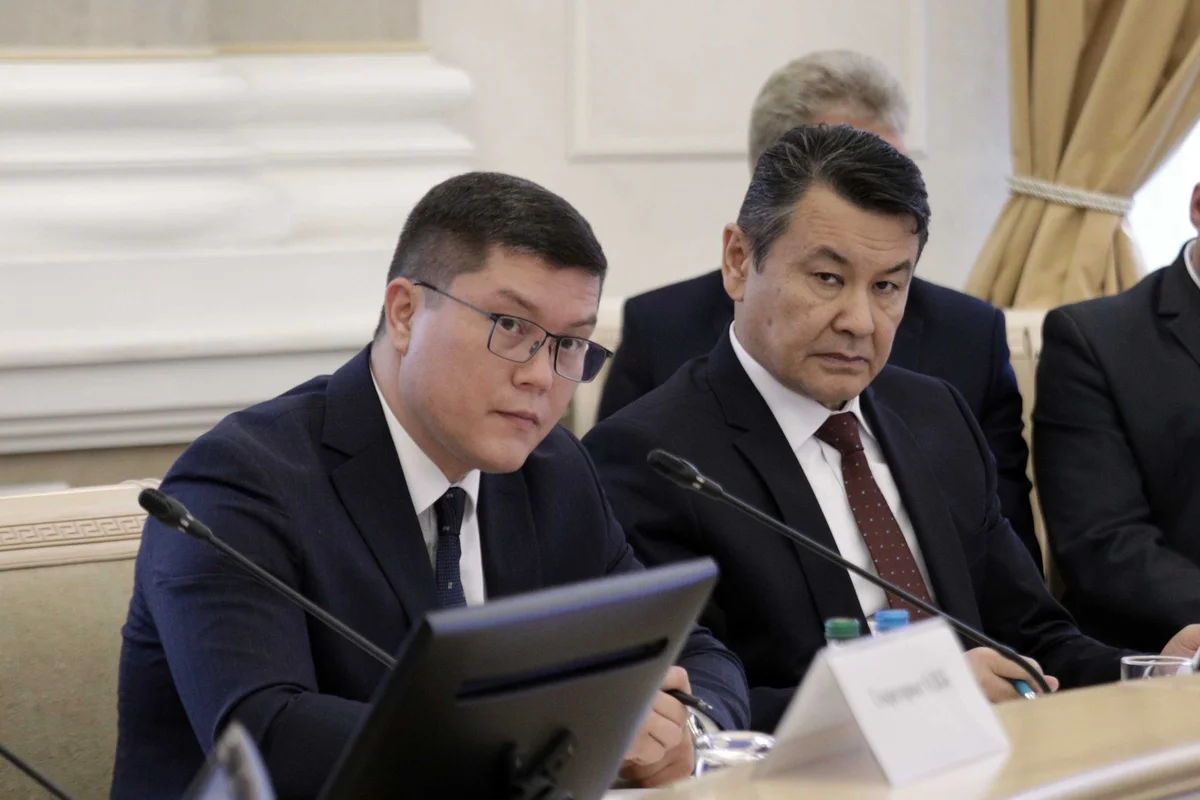
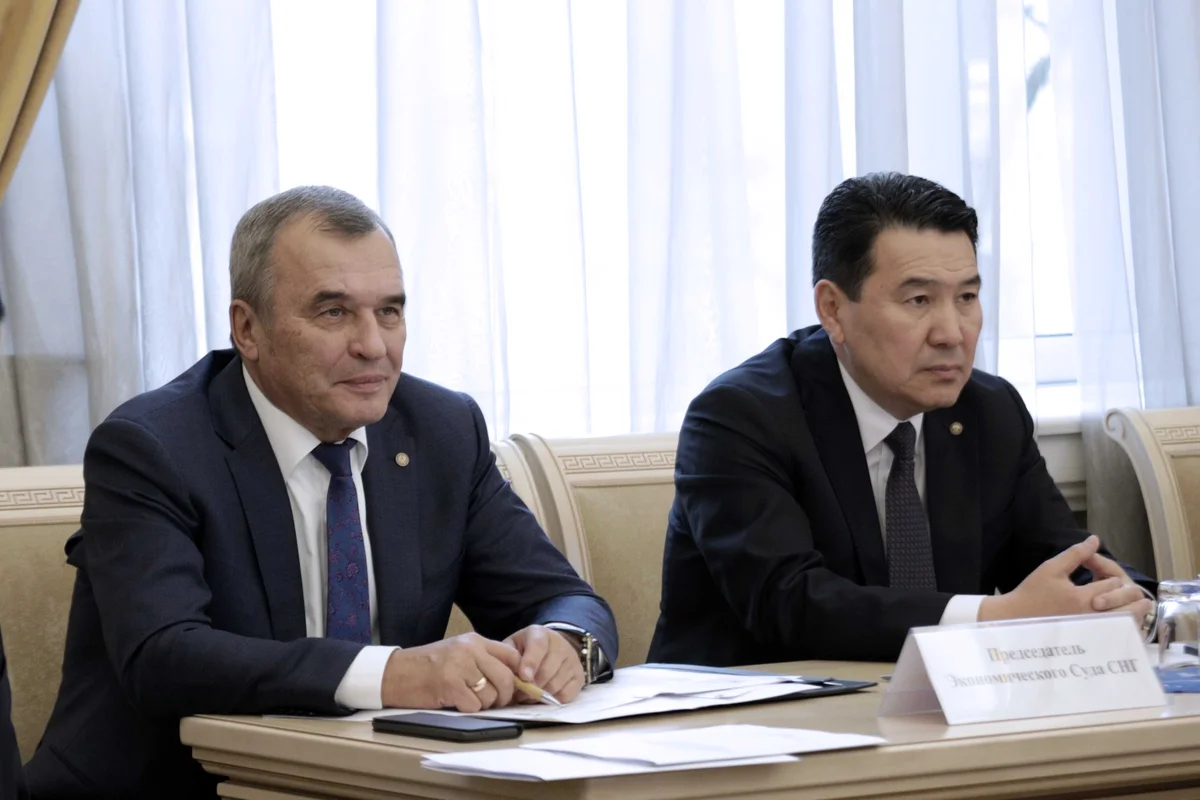
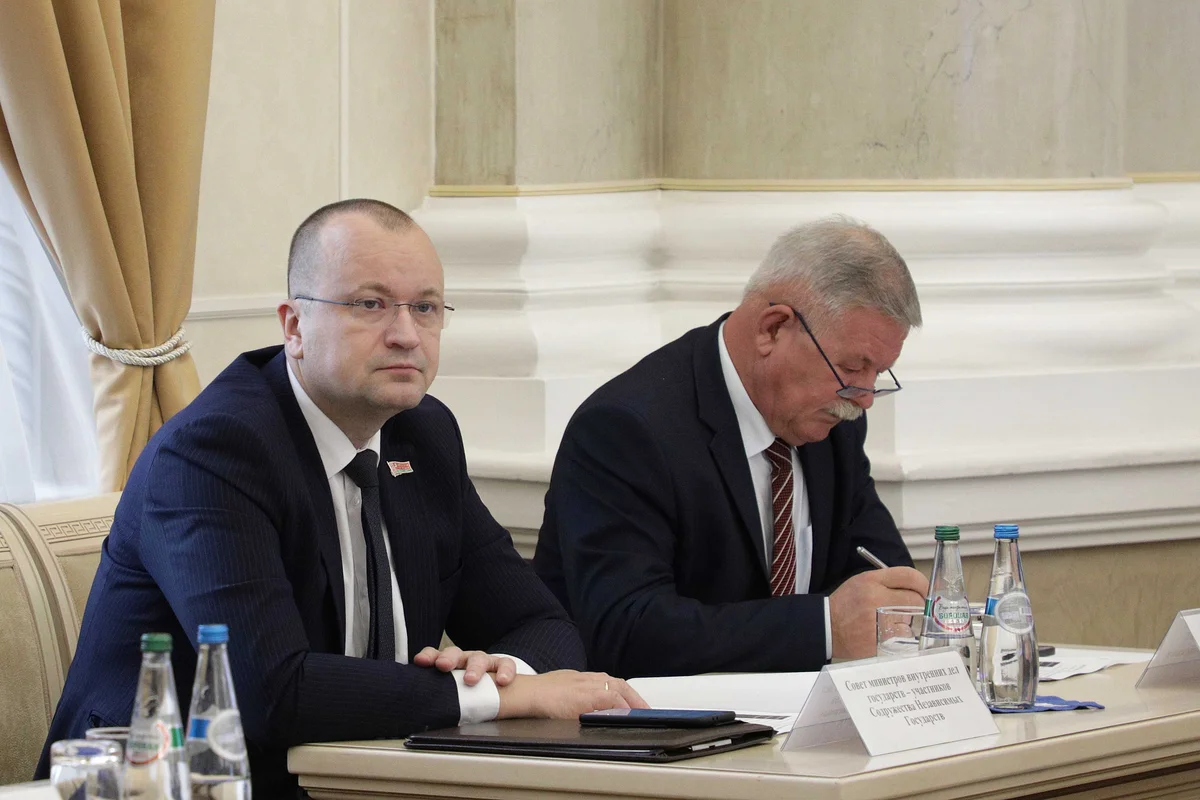
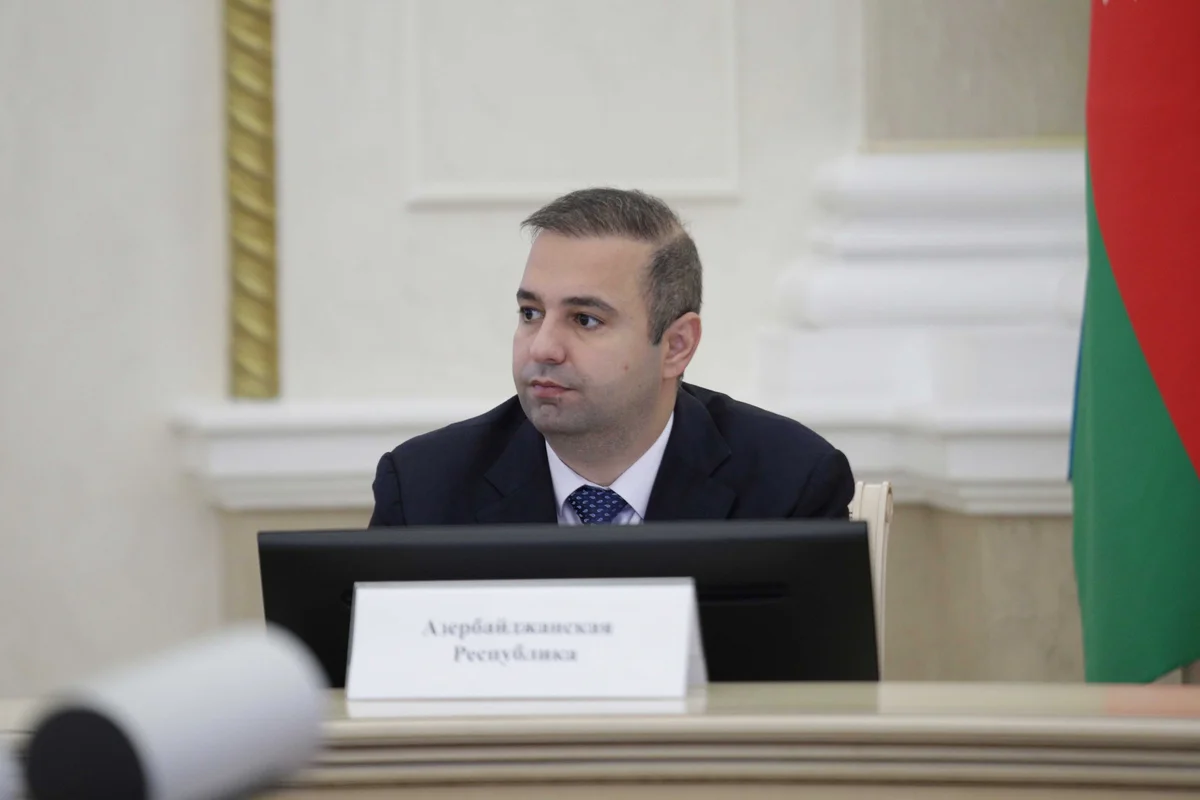
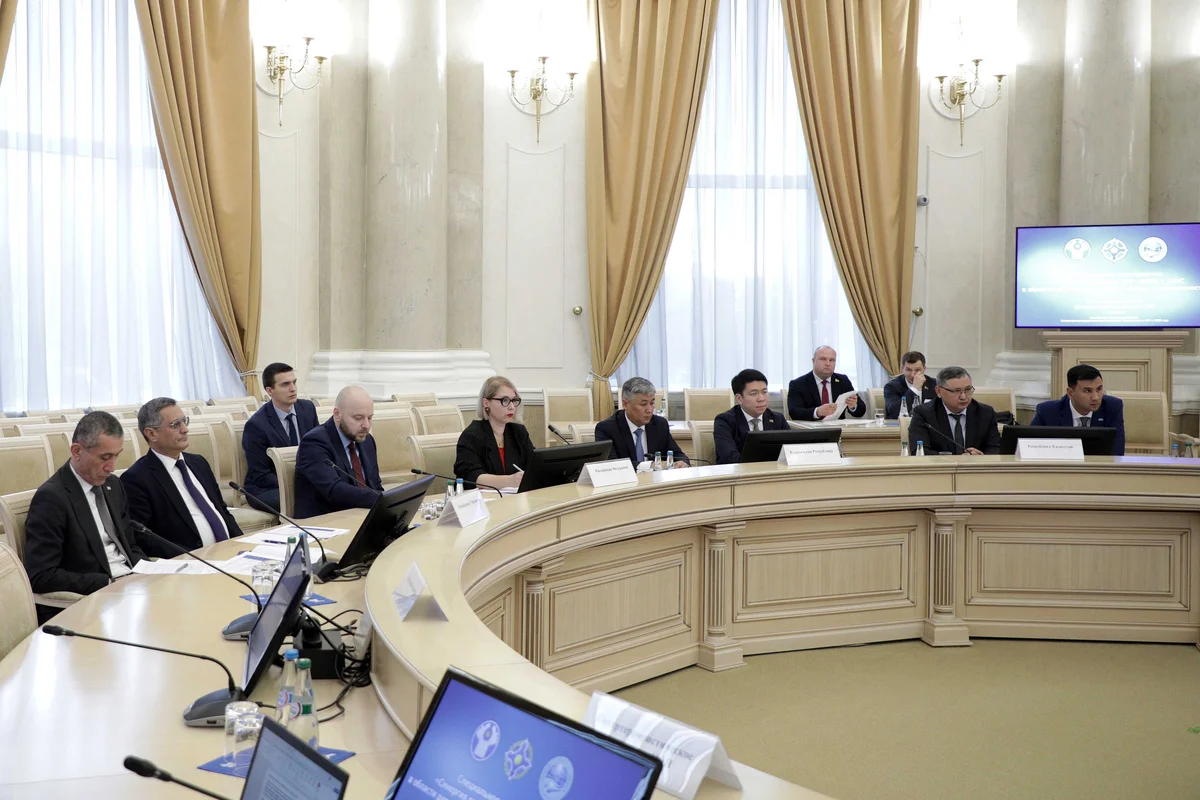
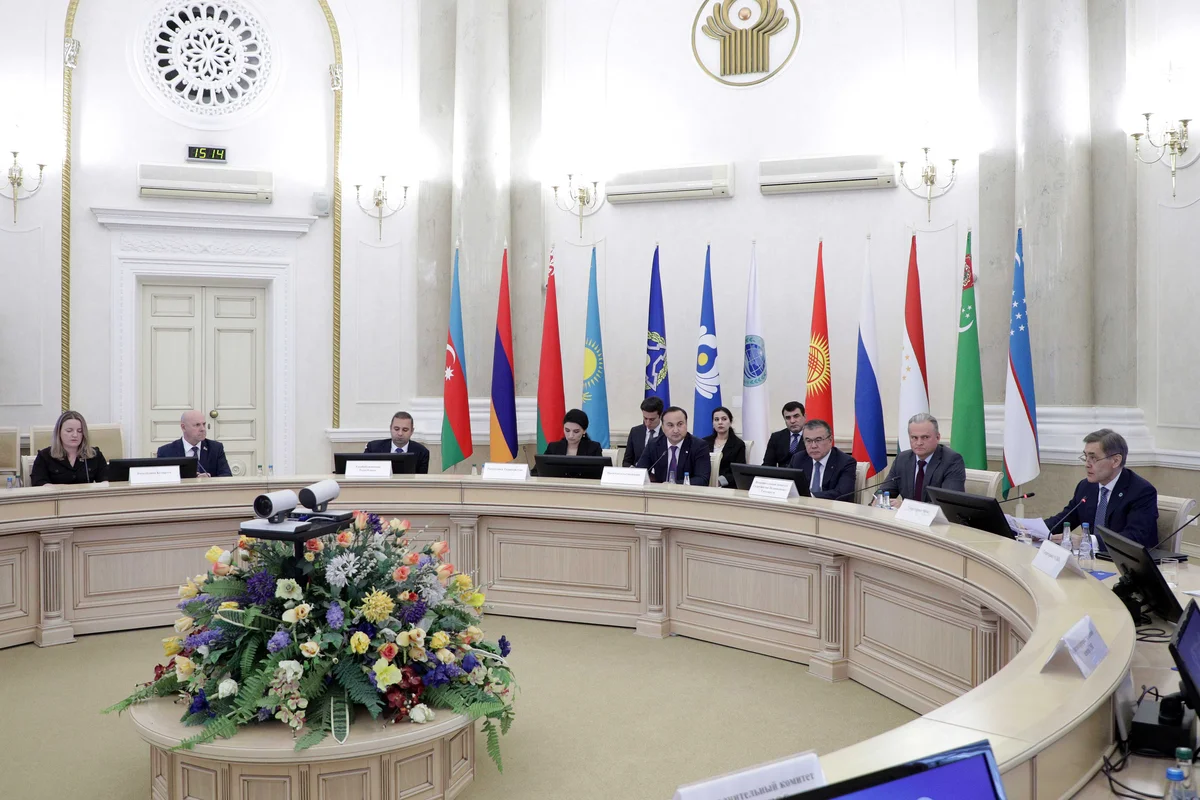
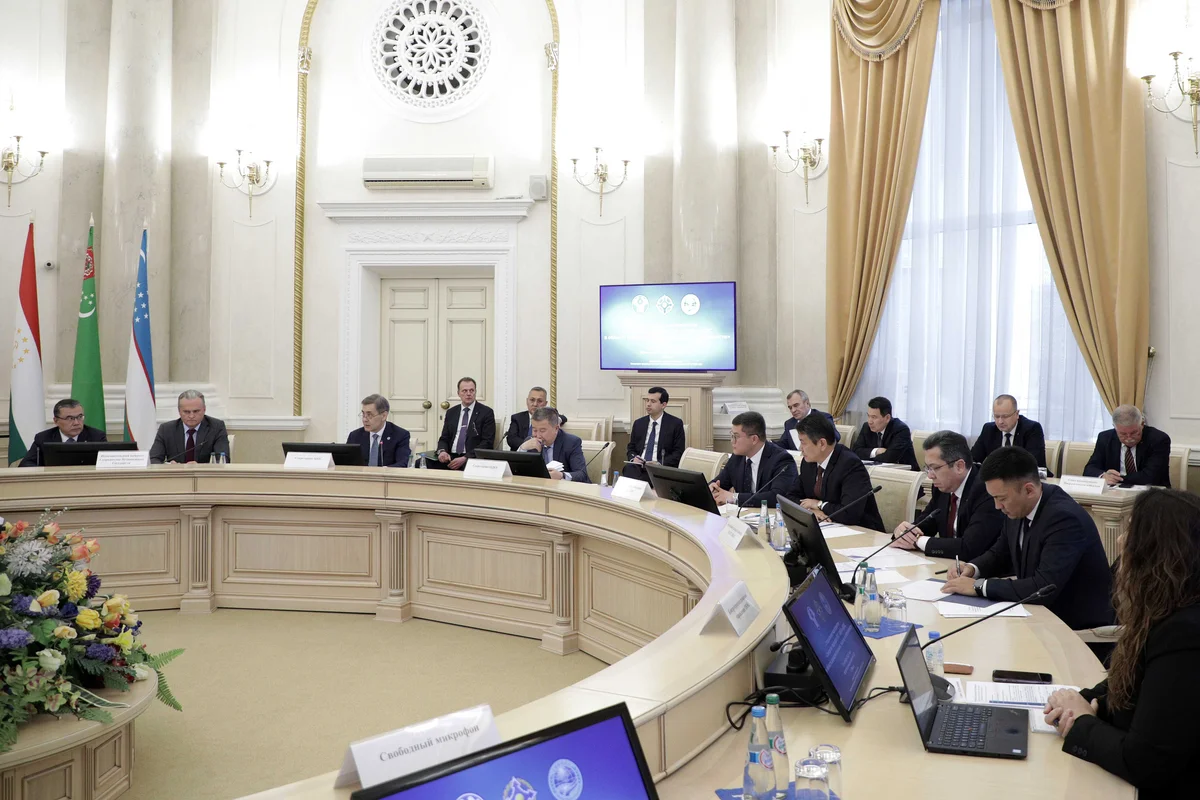
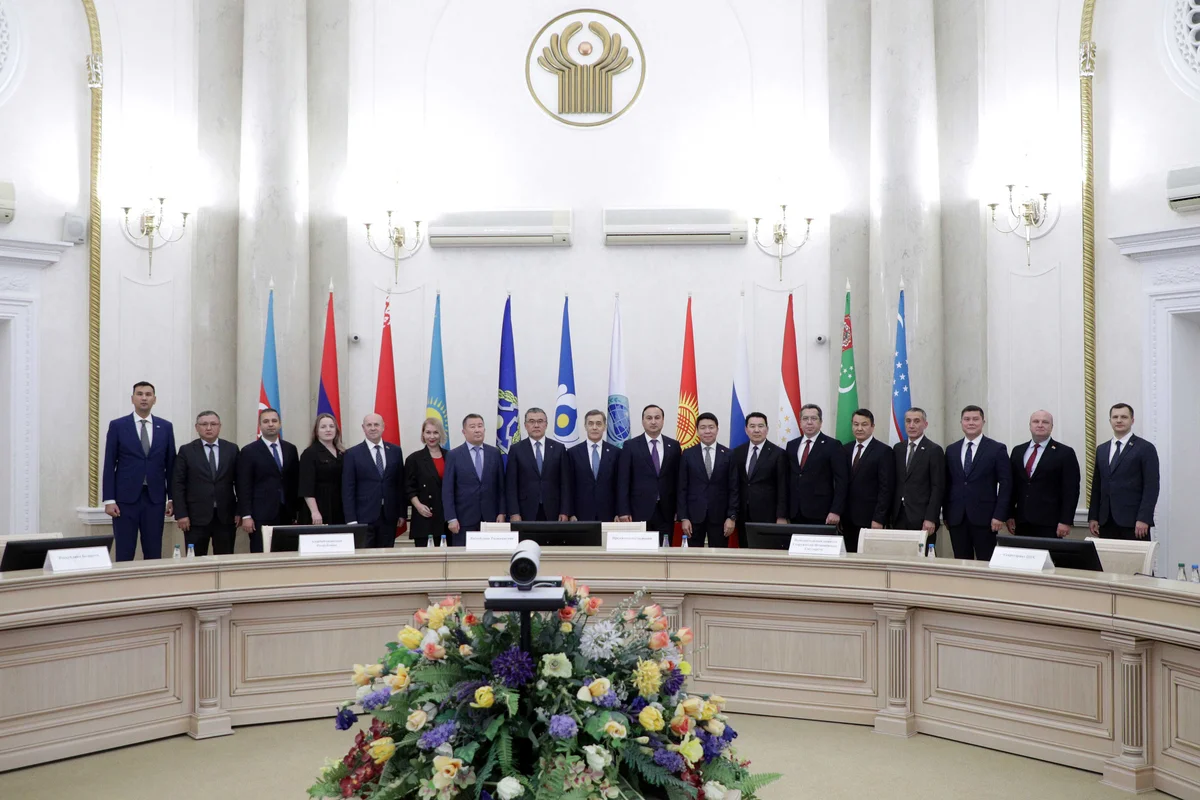
The event served as a platform for dialogue between leading experts, heads of relevant structures, and representatives of international organizations working in the field of countering terrorism and extremism.
The event hosted SCO Secretary-General Nurlan Yermekbayev, CIS Deputy Secretary-General Nurlan Seitimov, Head of the CIS Secretary-General’s Office Sergey Burutin, Director of the Department for Security Cooperation of the CIS Executive Committee Yevgeny Klemez, CSTO Deputy Secretary-General Samat Ordabayev, CSTO Deputy Secretary-General Taalatbek Masadykov, representatives of the CIS Anti-Terrorism Center, the SCO Regional Anti-Terrorist Structure, the CIS Council of Commanders of Border Troops, the Council of Ministers of Internal Affairs, as well as a delegation from the United Nations Office of Counter-Terrorism. Leading experts from research institutes, analytical centers, and international organizations specializing in security and countering extremism also participated.
The primary goal of the event was to create an effective platform for sharing experiences, discussing current threats related to radicalization, and developing coordinated strategies and practical measures to reduce the involvement of youth and other vulnerable groups in destructive ideological movements. The participants focused on the topics of coordinating efforts in the field of extremism prevention, sharing best practices in implementing deradicalization programs, and forming sustainable mechanisms to counter radical ideologies.