The first in 2026 webinar of the CIS Basic Organization in Notarial Activities for practical experience exchange was held on March 12, via videoconference. Representatives of notary bodies from Armenia, Belarus, Kazakhstan, Kyrgyzstan, Russia, Uzbekistan, and Tajikistan joined the discussion. Notaries discussed the specifics of inheritance of copyright, as well as exclusive rights to industrial property objects. The greatest interest was aroused by issues of inheriting electronic money from virtual wallets, as well as cryptocurrency, and matters of inheriting “digital rights”, including domain names and social media accounts.
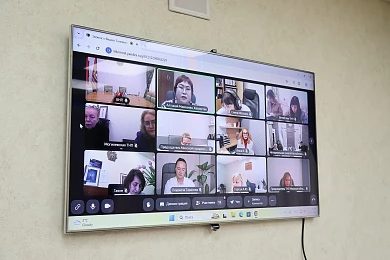
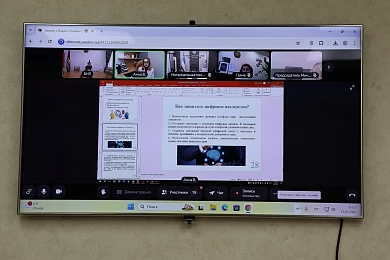
Speakers included:
- Altynai Makeyesheva, notary/mediator from Almaty (Kazakhstan);
- Lyudmila Tarasova, notary from the Brest Notarial District (Belarus);
- Rimma Chumarina, notary from Chirchik (Uzbekistan);
- Natalia Sitnikova and Anna Klennikova, members of the International Cooperation Commission of the Federal Notarial Chamber (Russia);
- Gayane Azaryan, notary from Yerevan;
- Roza Bekchan, notary from Vanadzor (Armenia).
As noted by the webinar participants, notary bodies of the Commonwealth states are facing fundamentally new challenges today. Reality offers entirely new categories for inheritance, beyond traditional ones such as real estate or bank accounts. Is there a real possibility to include “digital” objects in the inheritable estate? Today this is already a practical demand from society that notaries encounter increasingly often. Despite the virtual nature of new objects (whether domain names, cryptocurrency or digital content), they represent real property interests and real money. The task of the notary system is to ensure the legal transfer of these assets to heirs, protecting their rights with the same level of reliability as with traditional property.
The meeting participants concluded that the legislation of the CIS member states is in the process of adapting to new realities. However, the main outcome of the webinar was understanding the development vector and the shared aspiration to harmonize approaches.