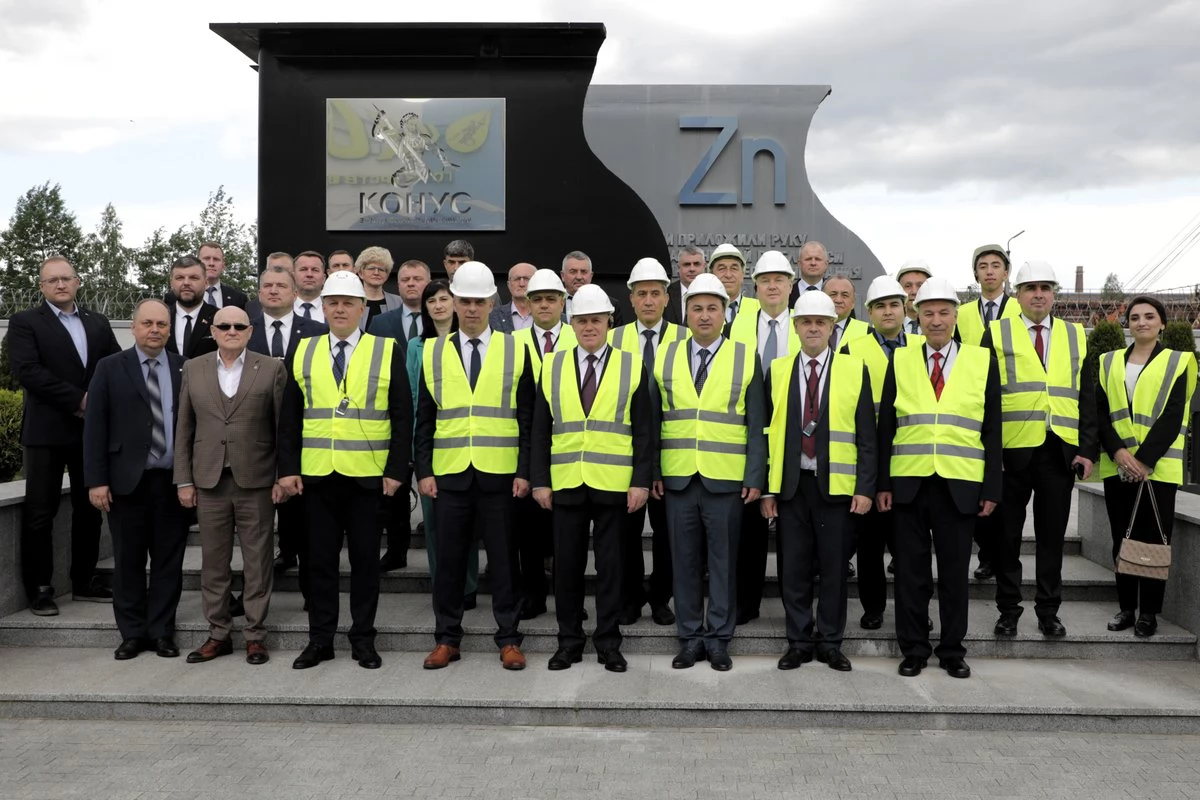
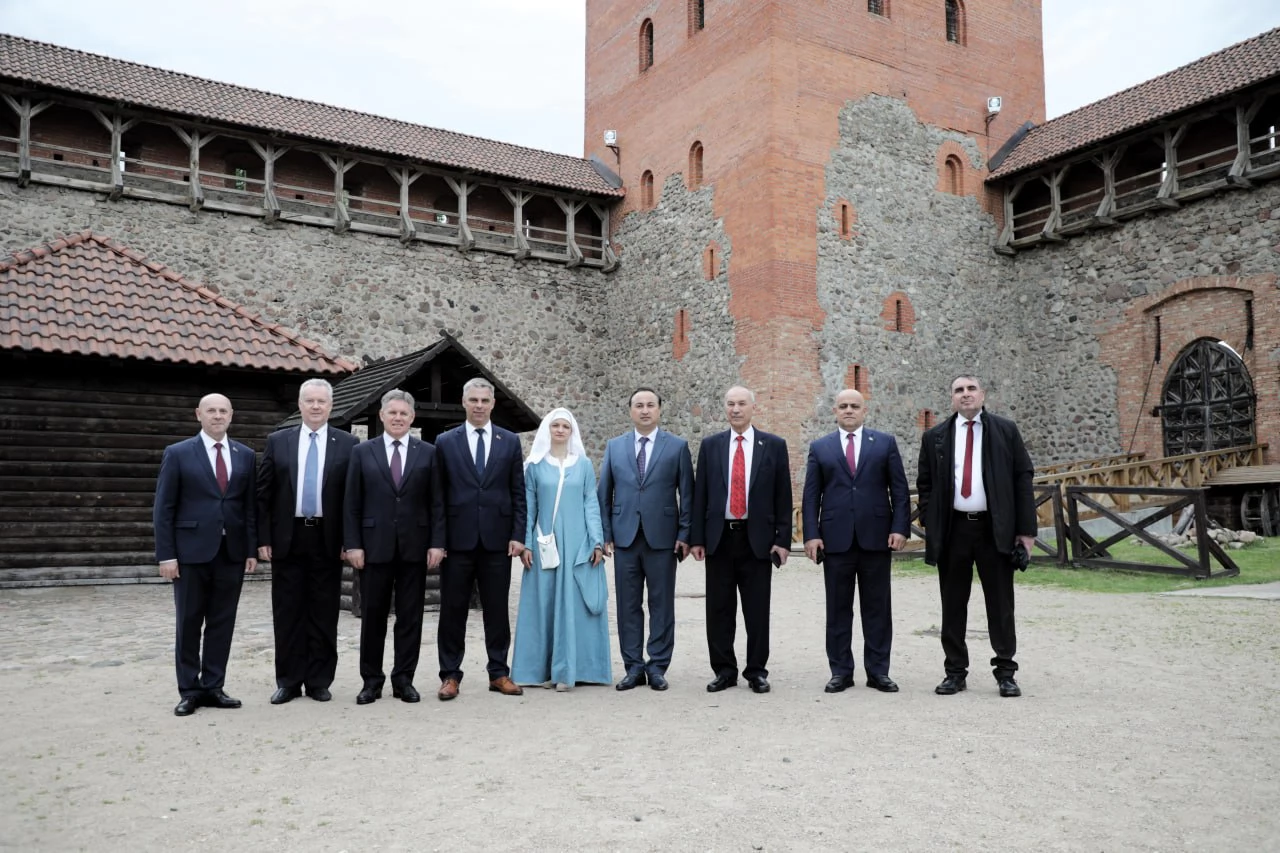
A field meeting of the Council of Permanent Plenipotentiary Representatives of the Commonwealth Member States to the CIS Statutory and Other Bodies took place on May 26, 2026, in Lida, Belarus.
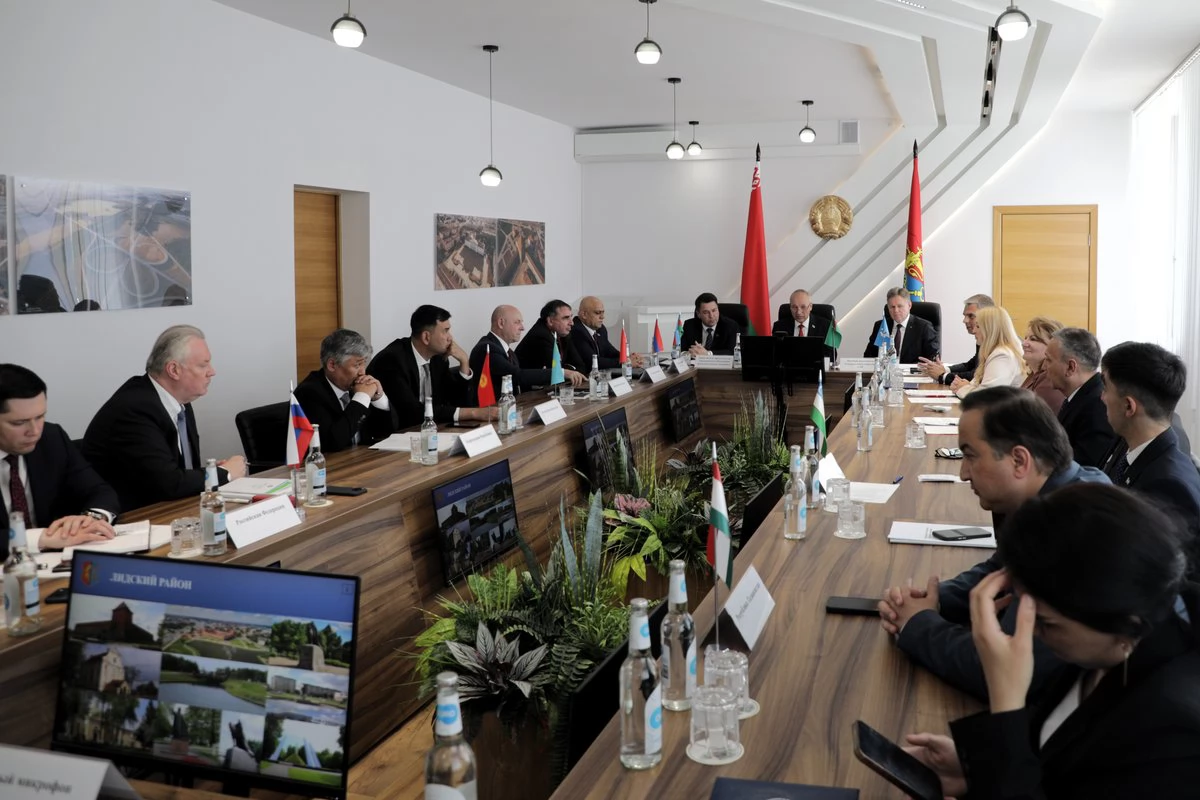
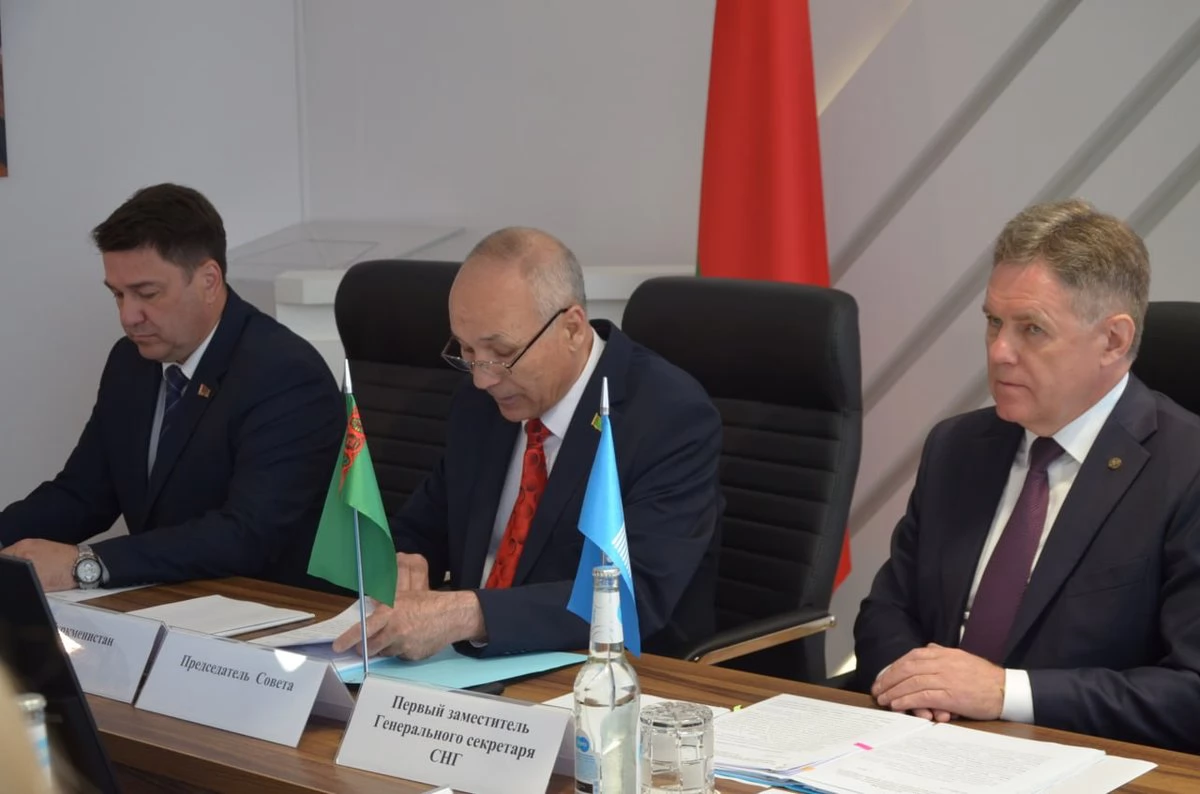
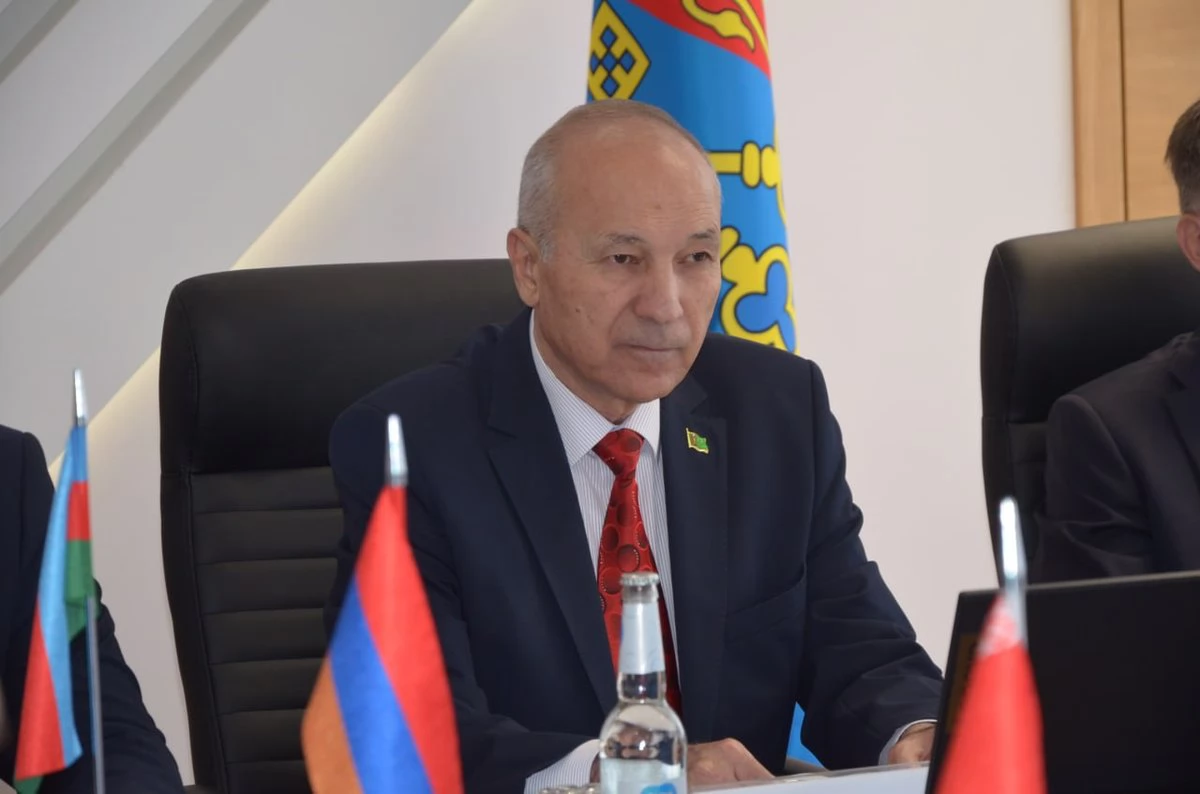
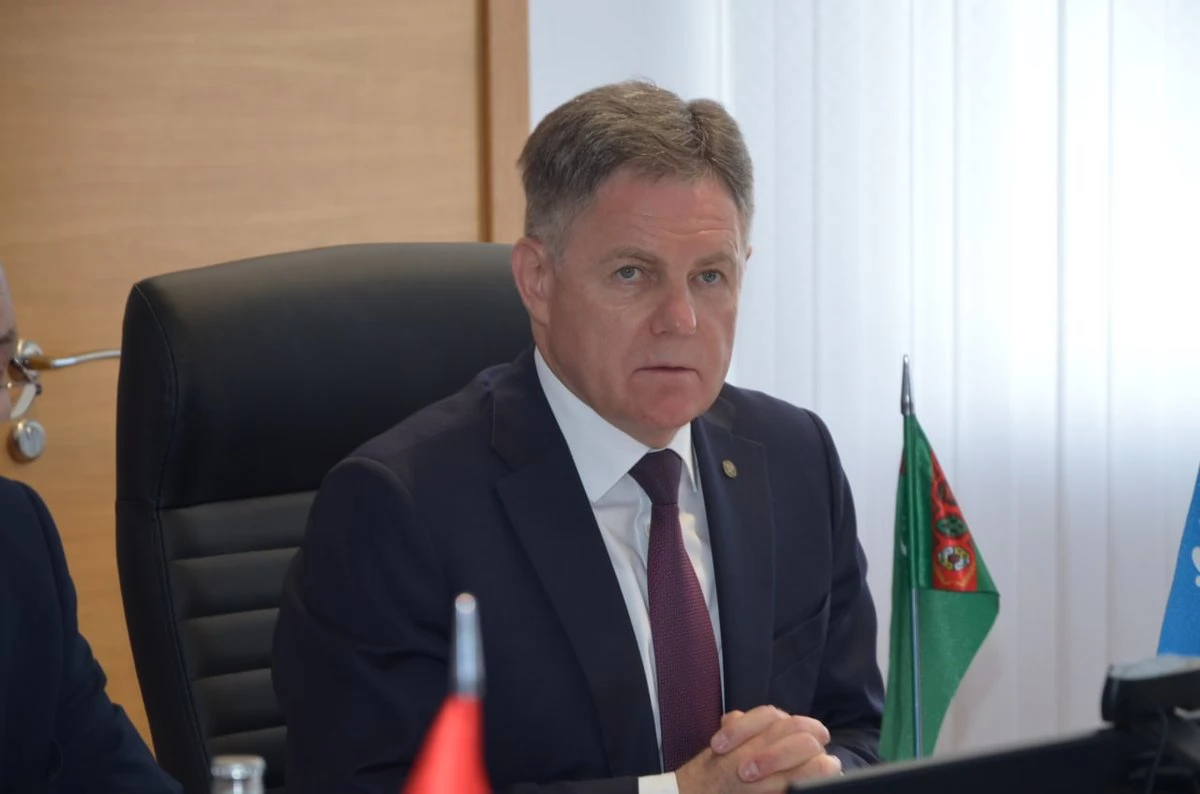
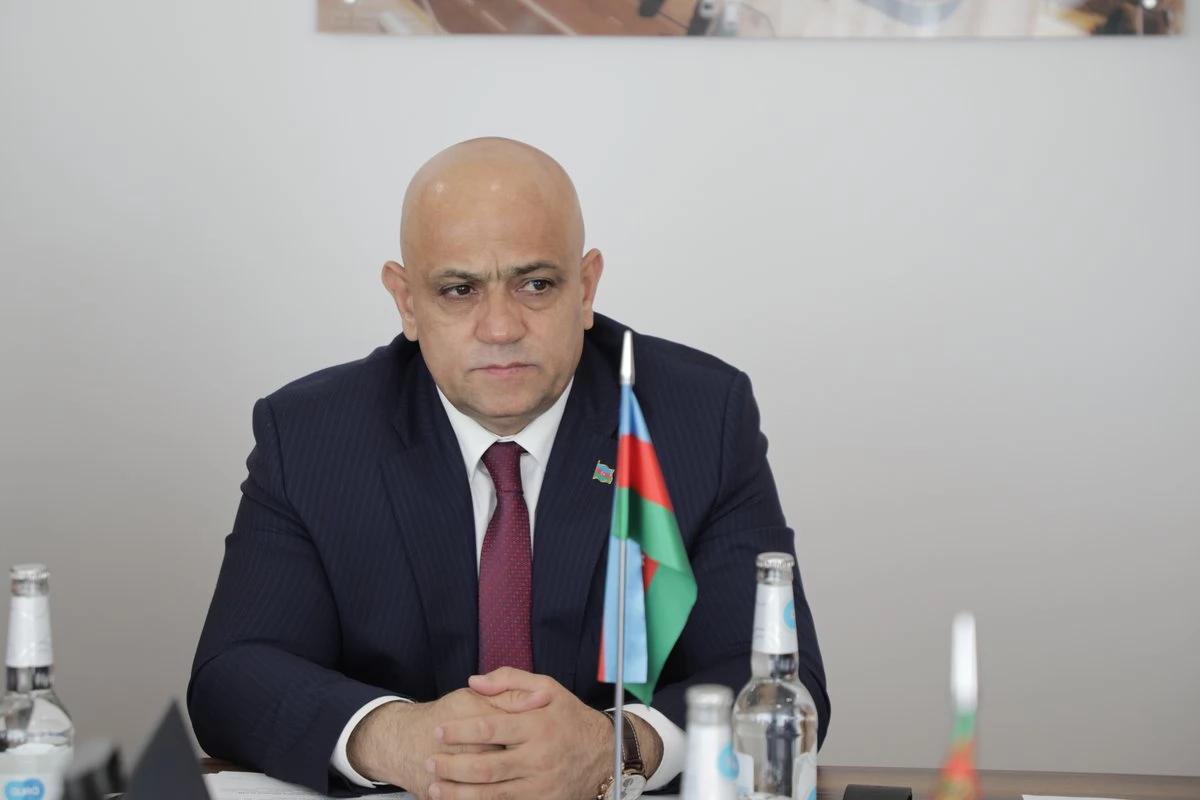
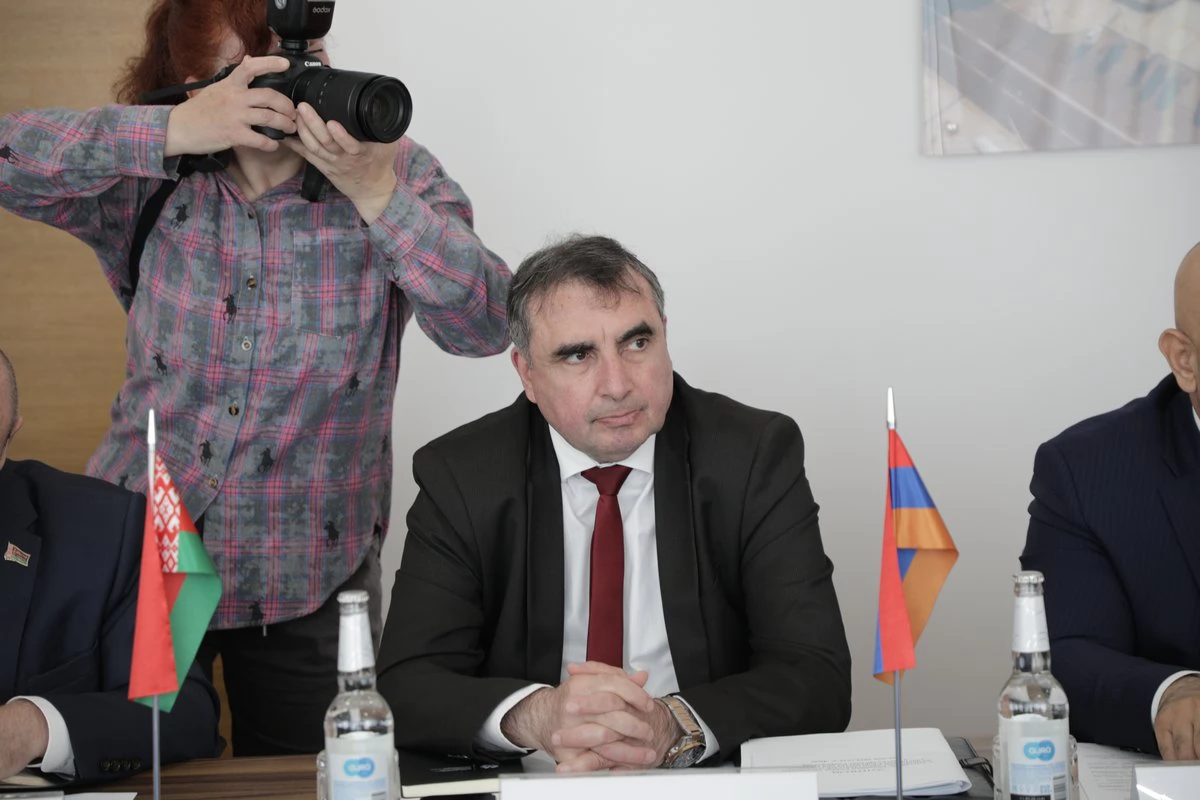
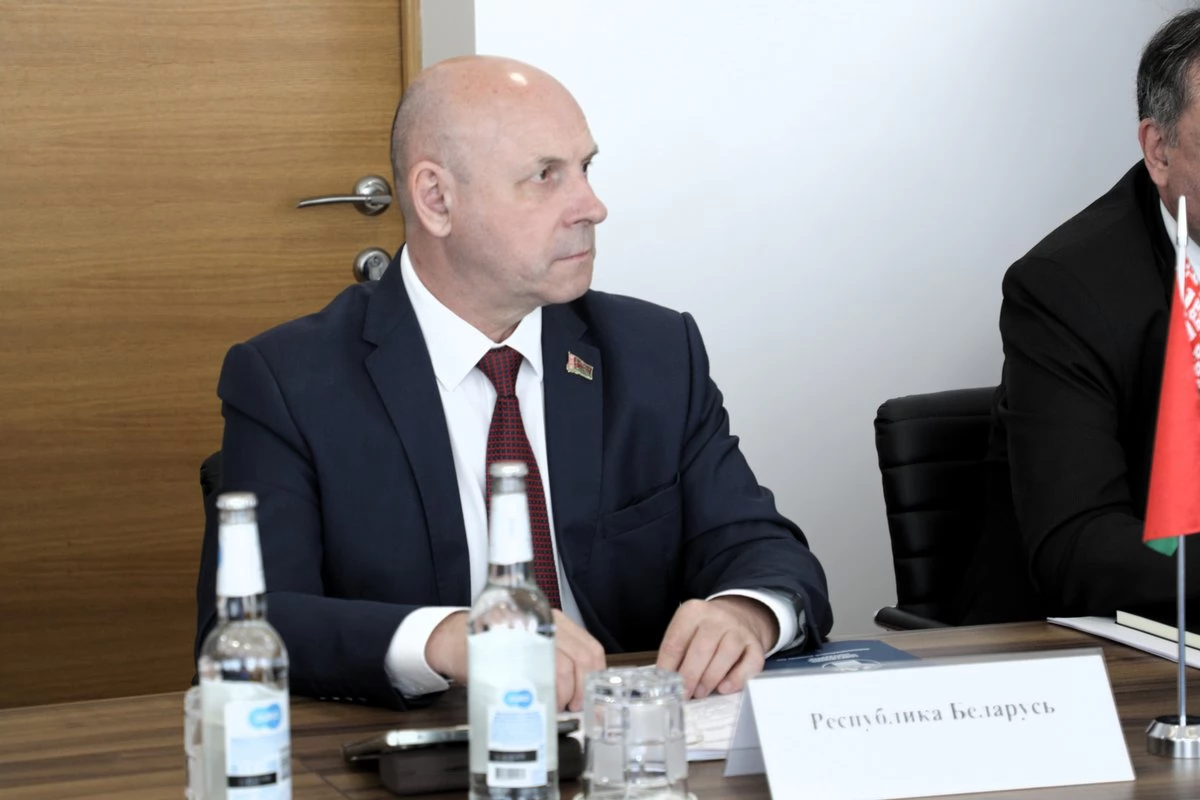
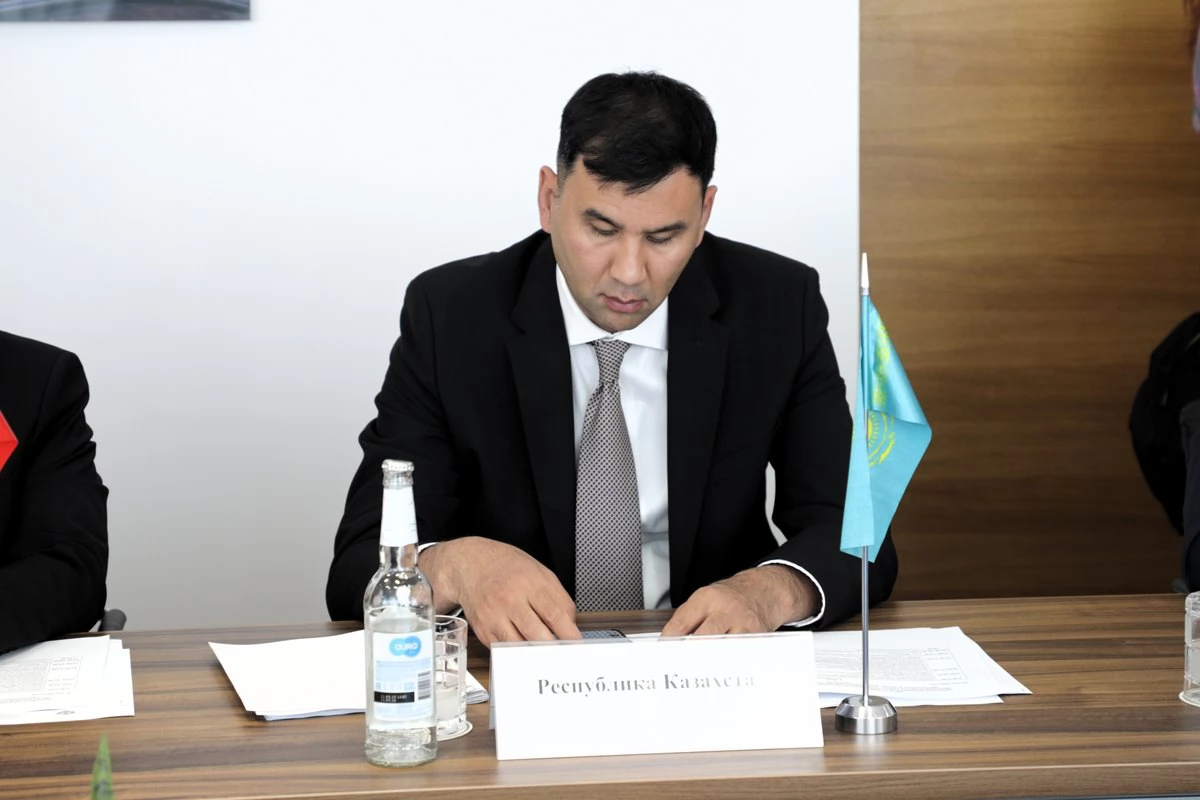
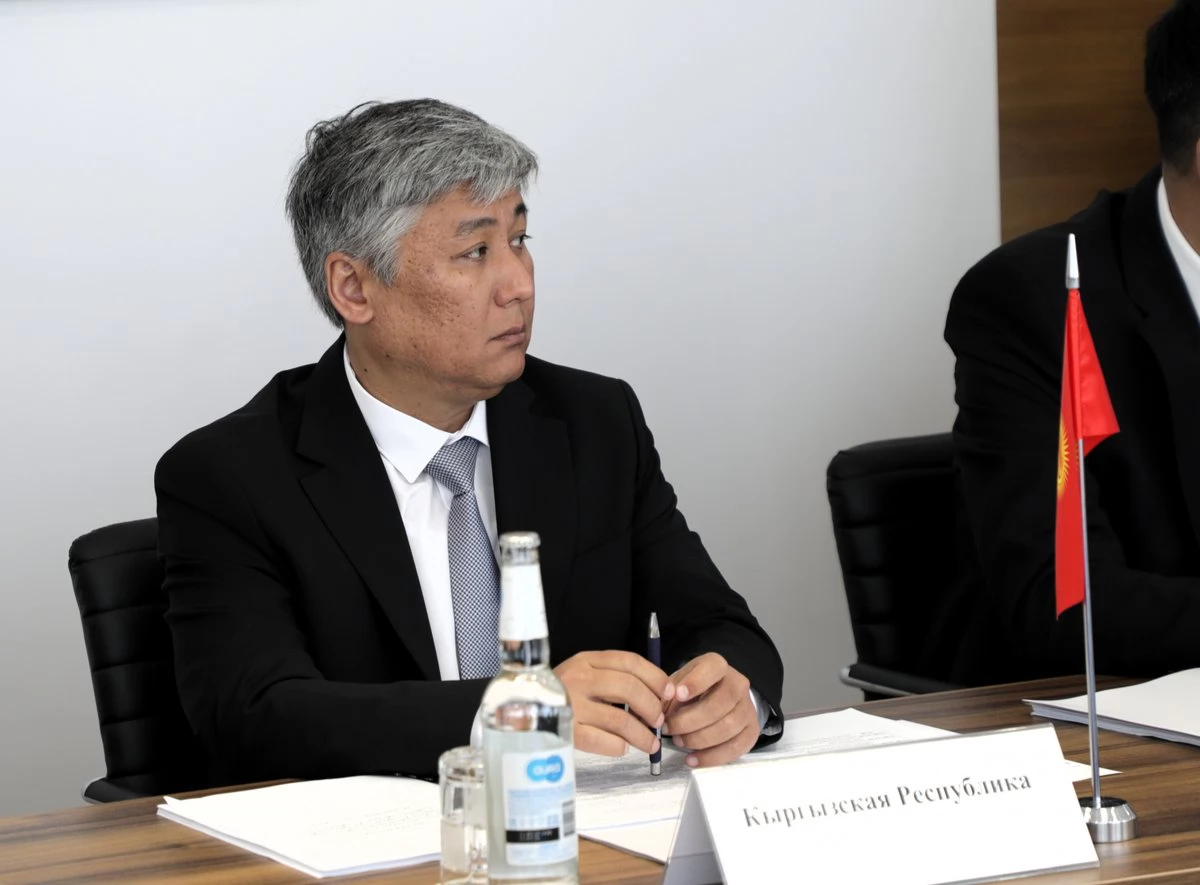
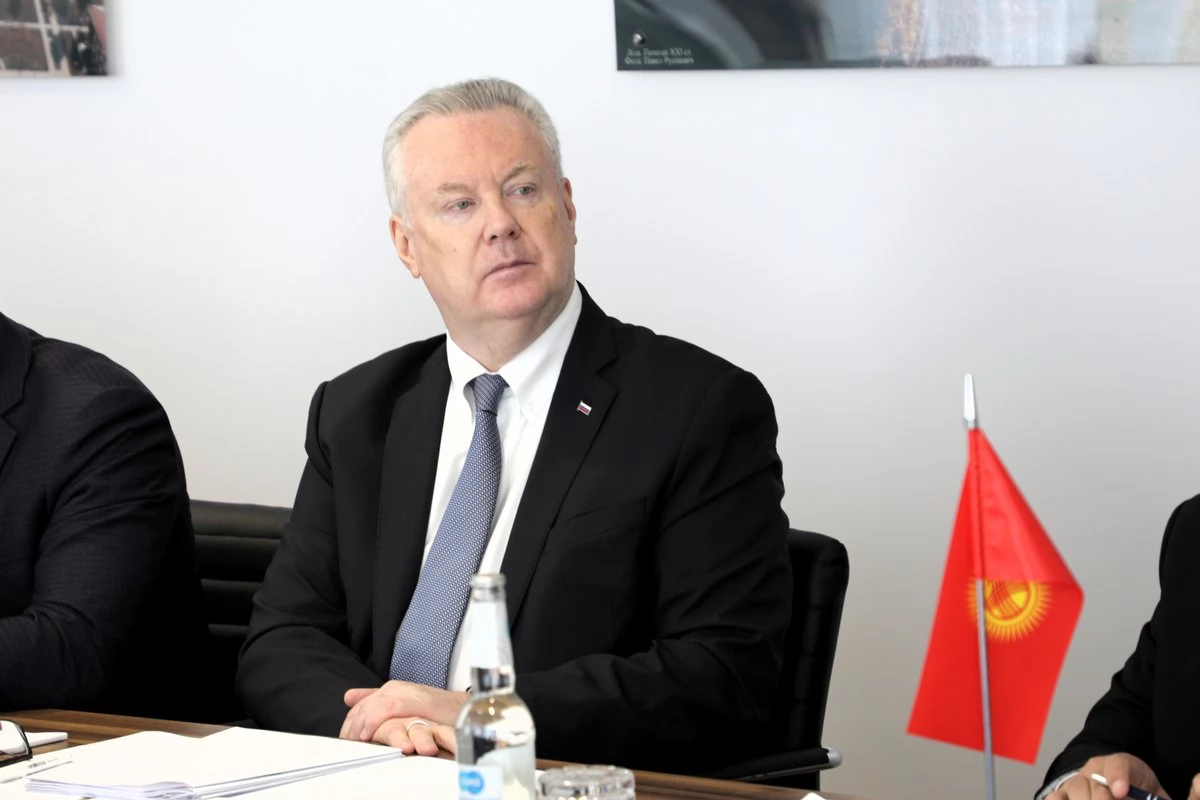
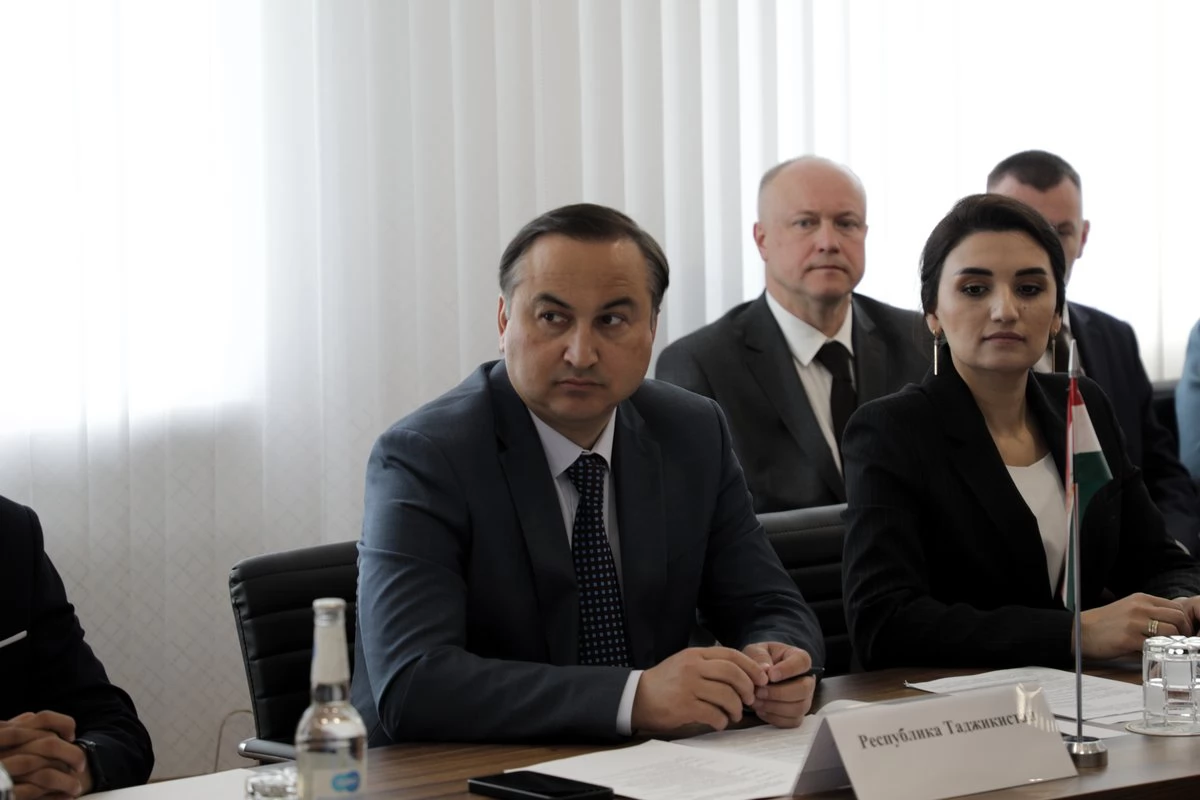
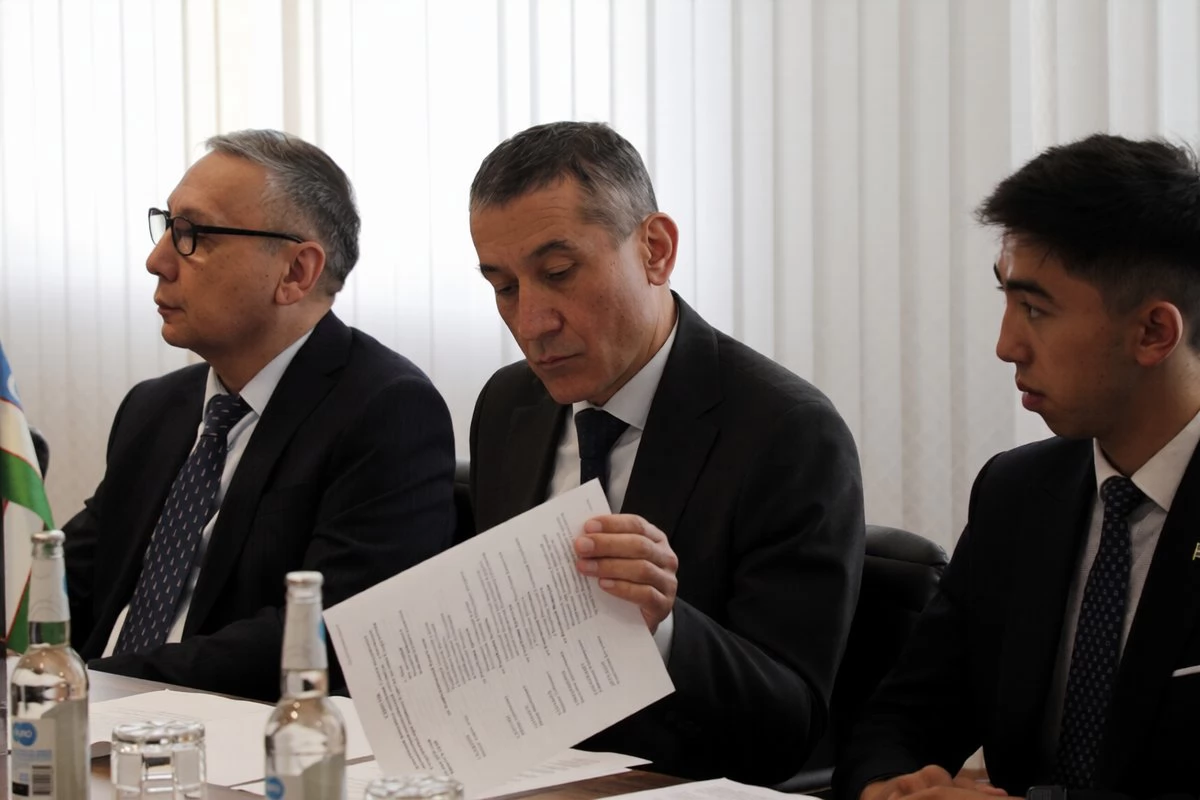
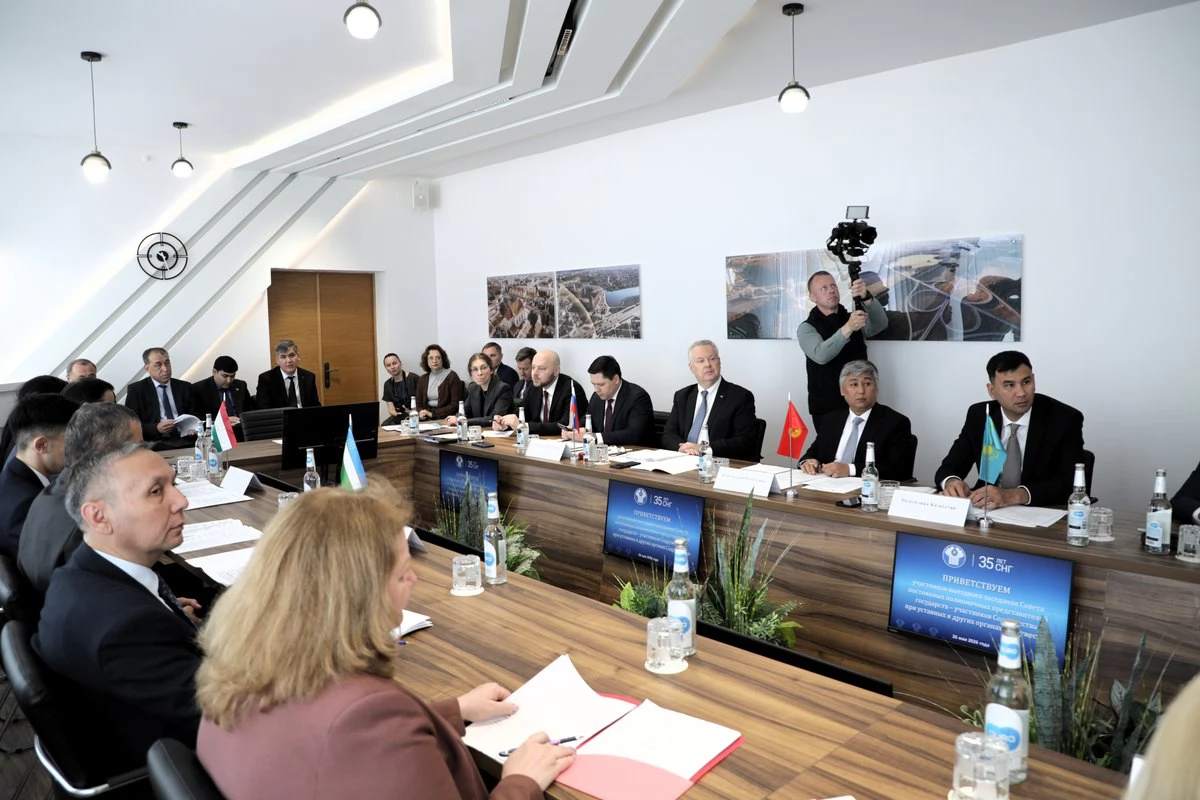
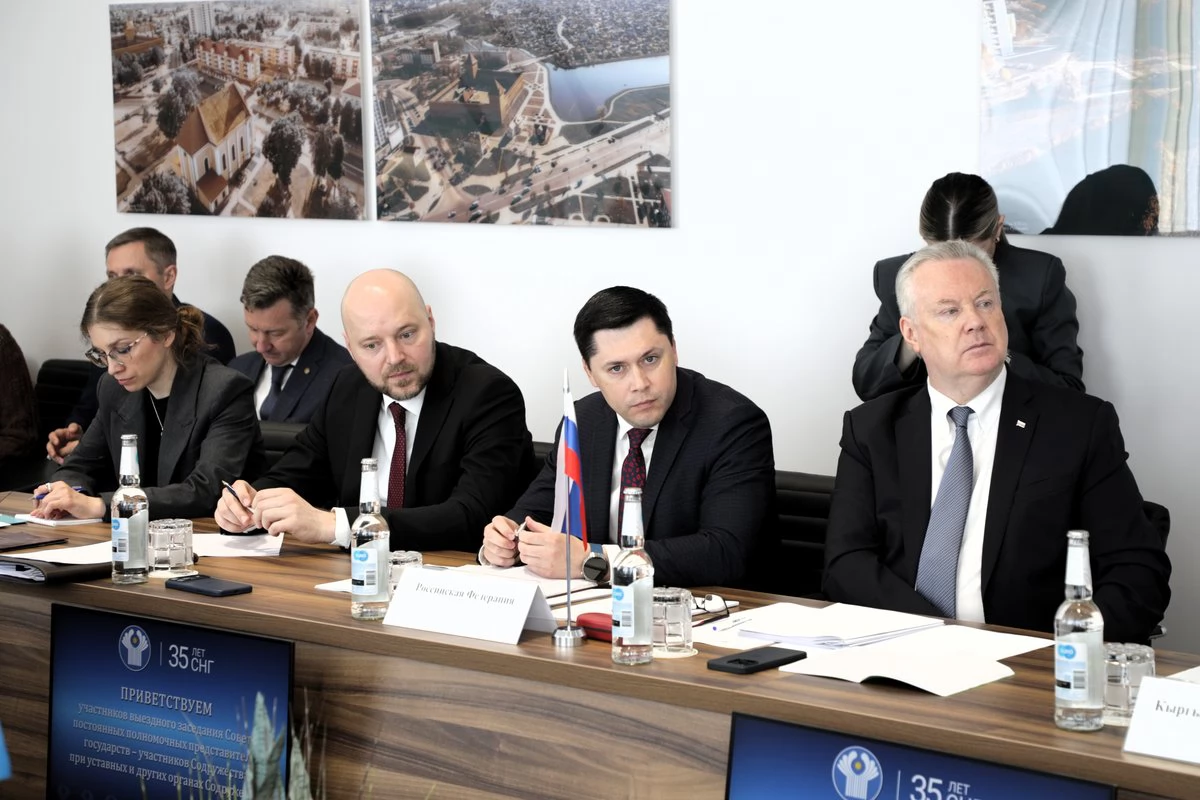
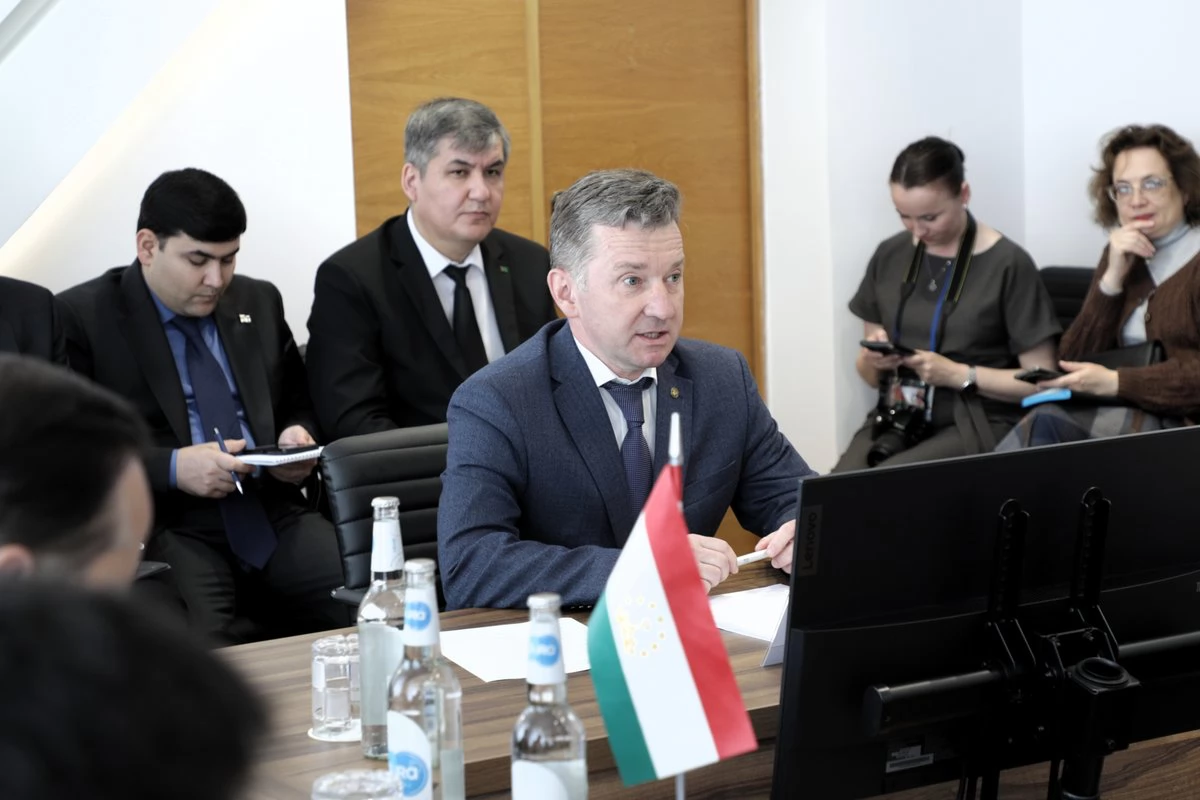
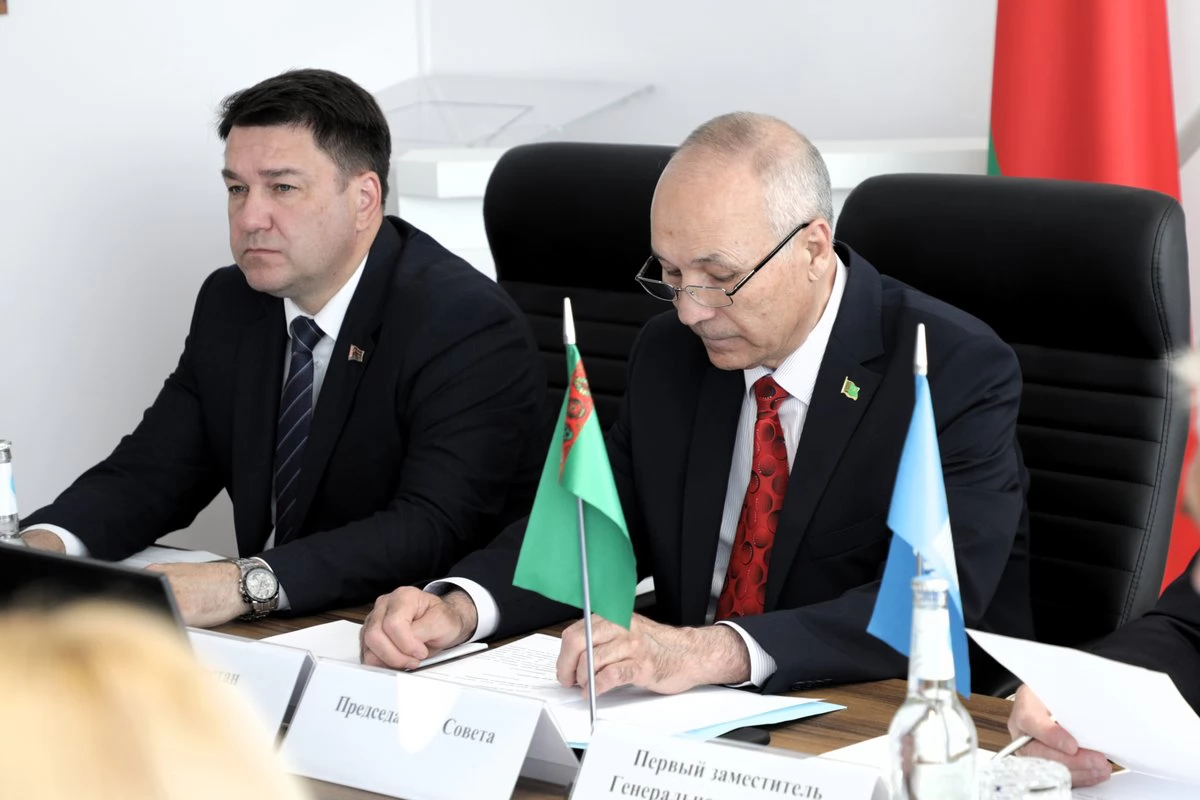
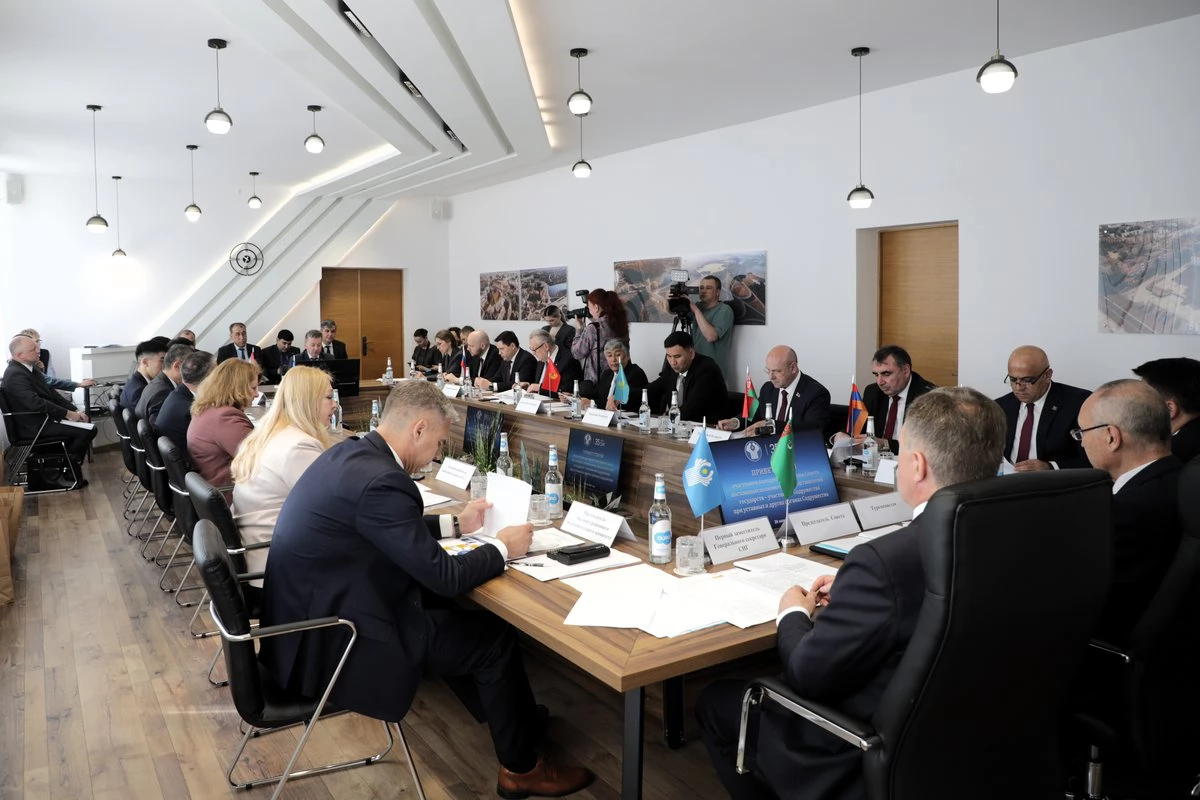
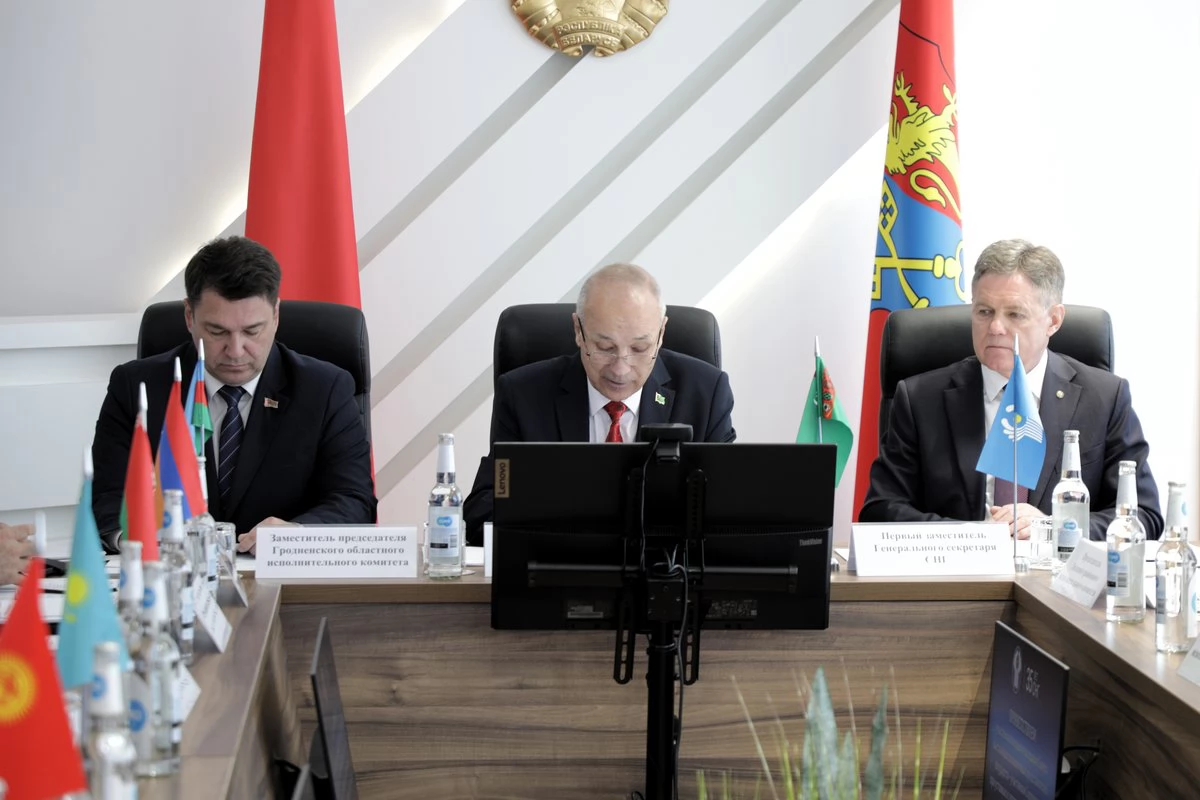
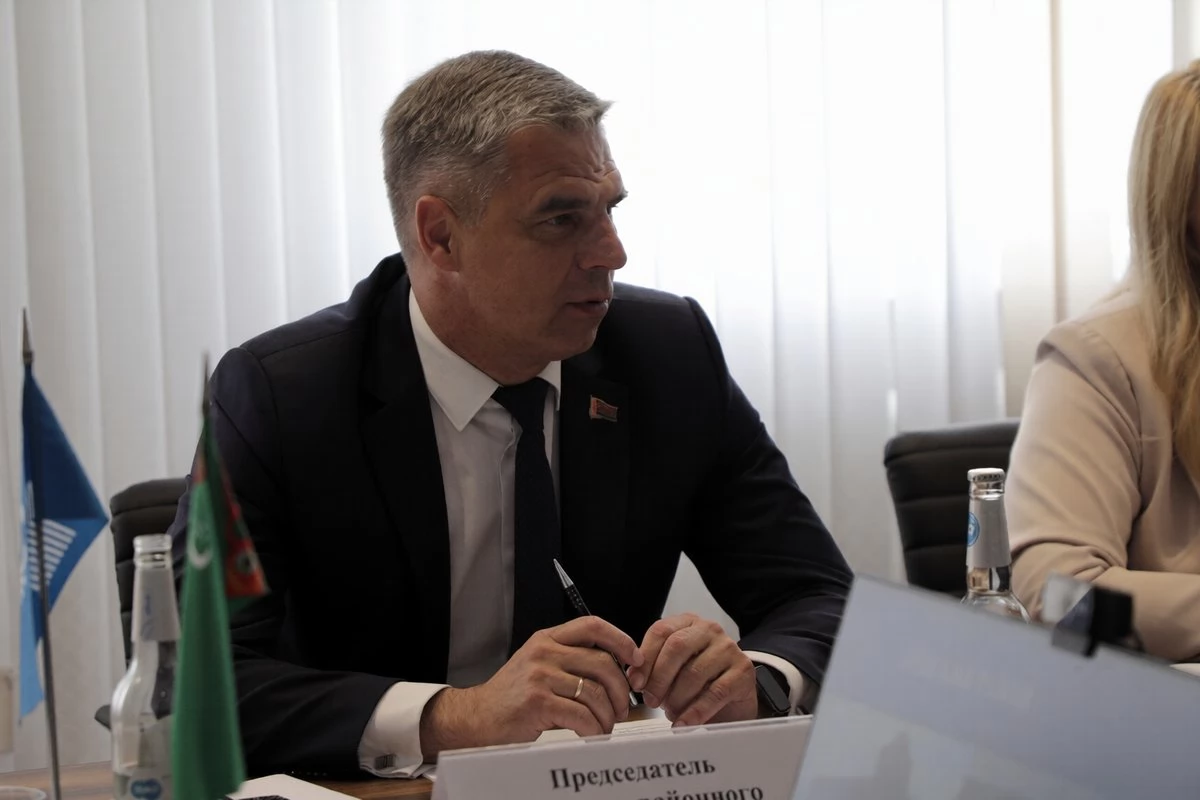
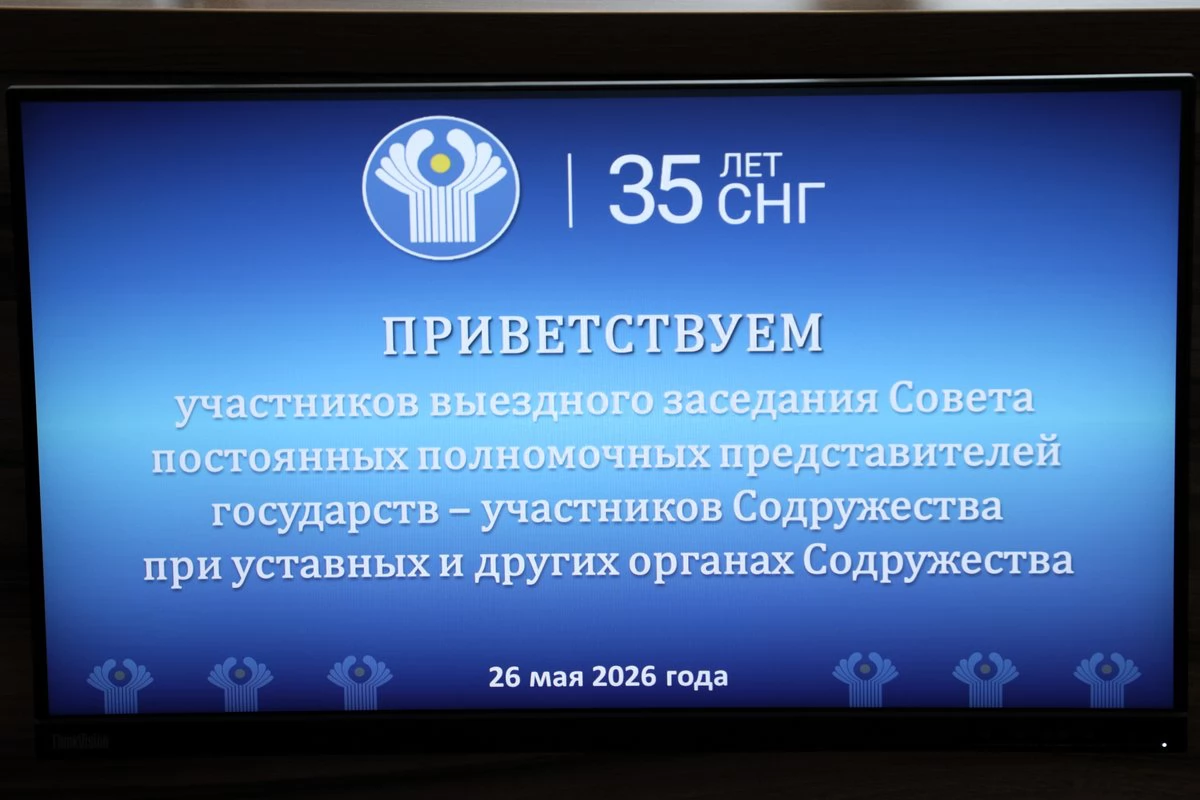
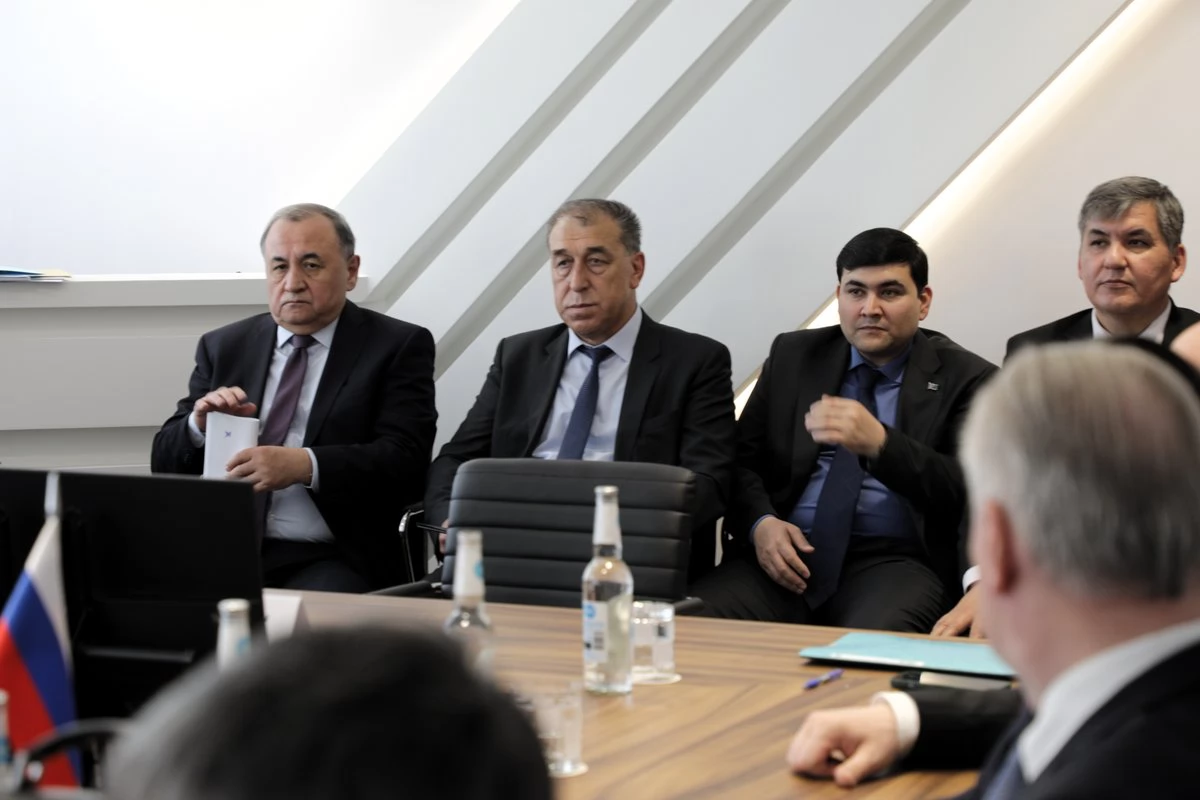
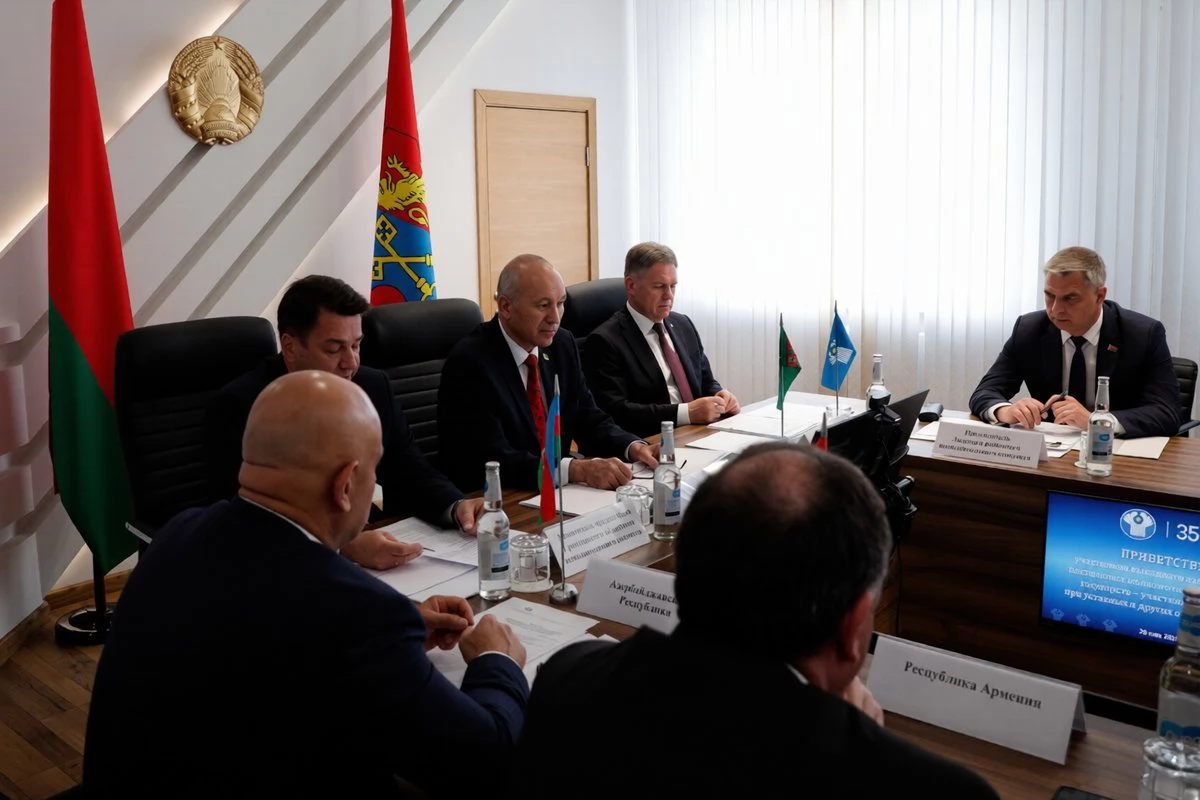
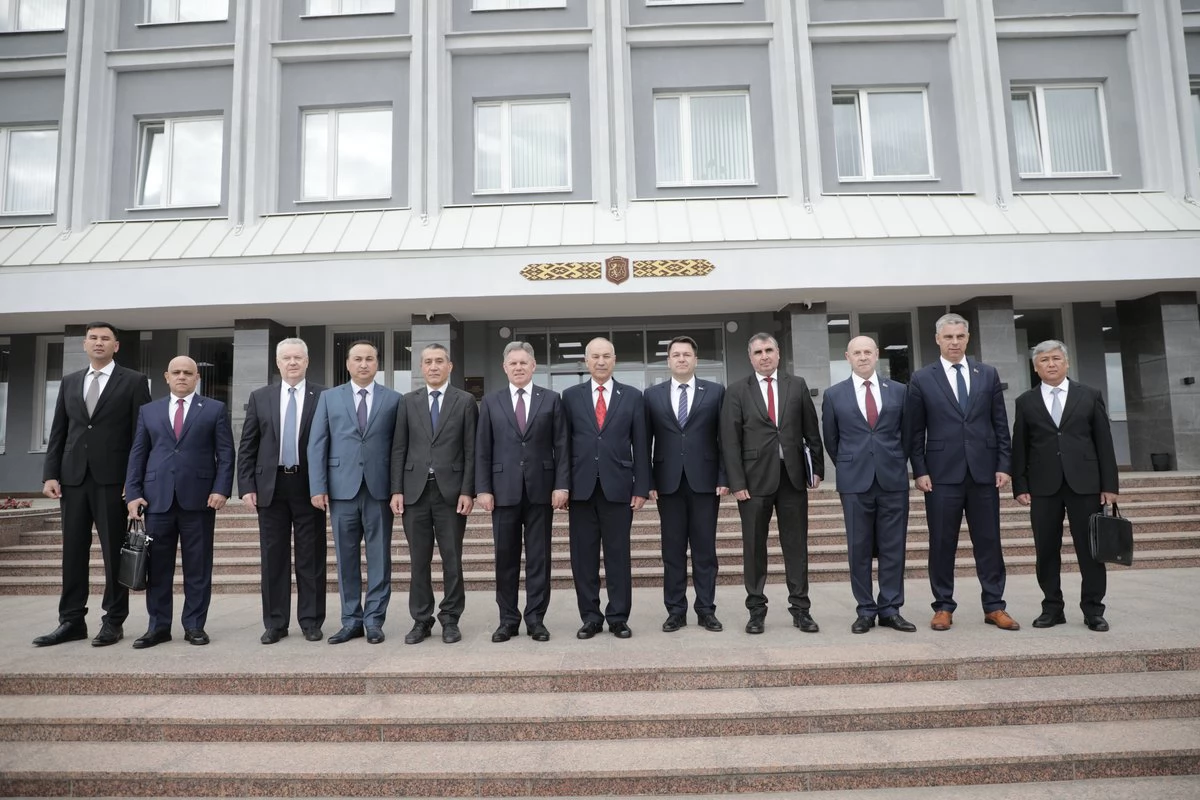
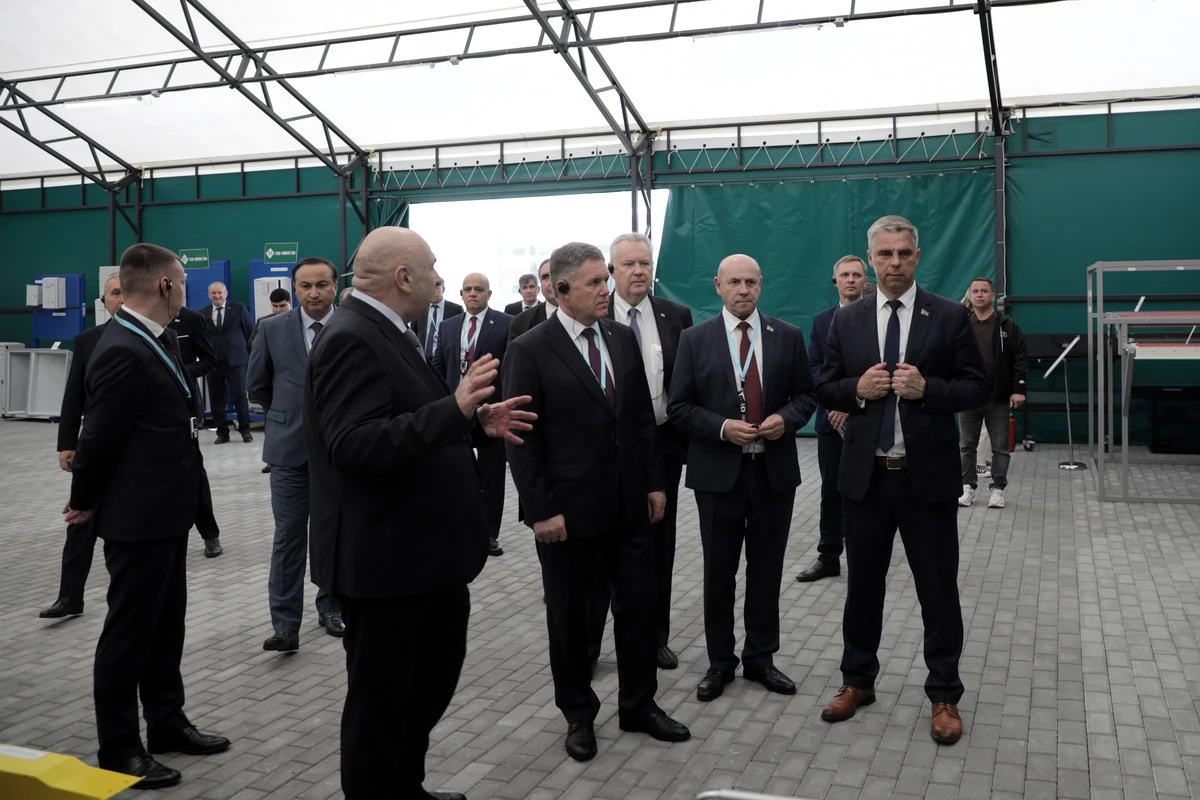
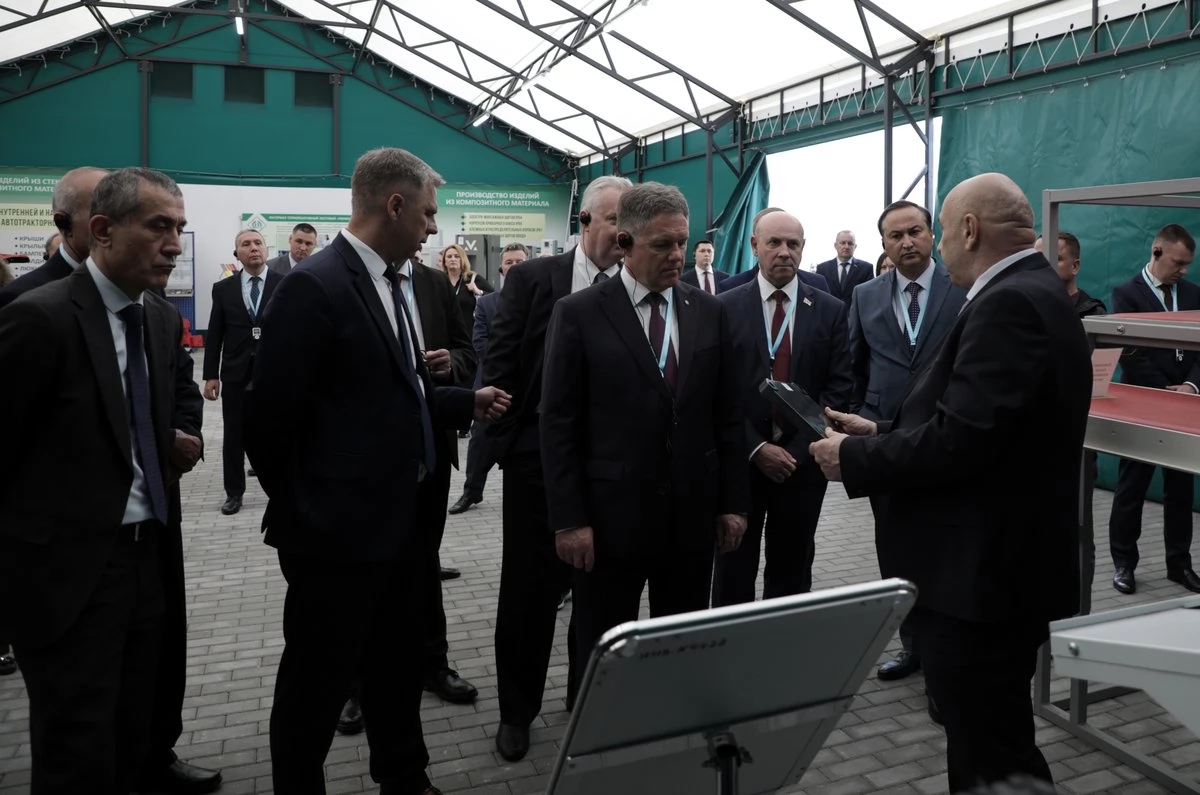




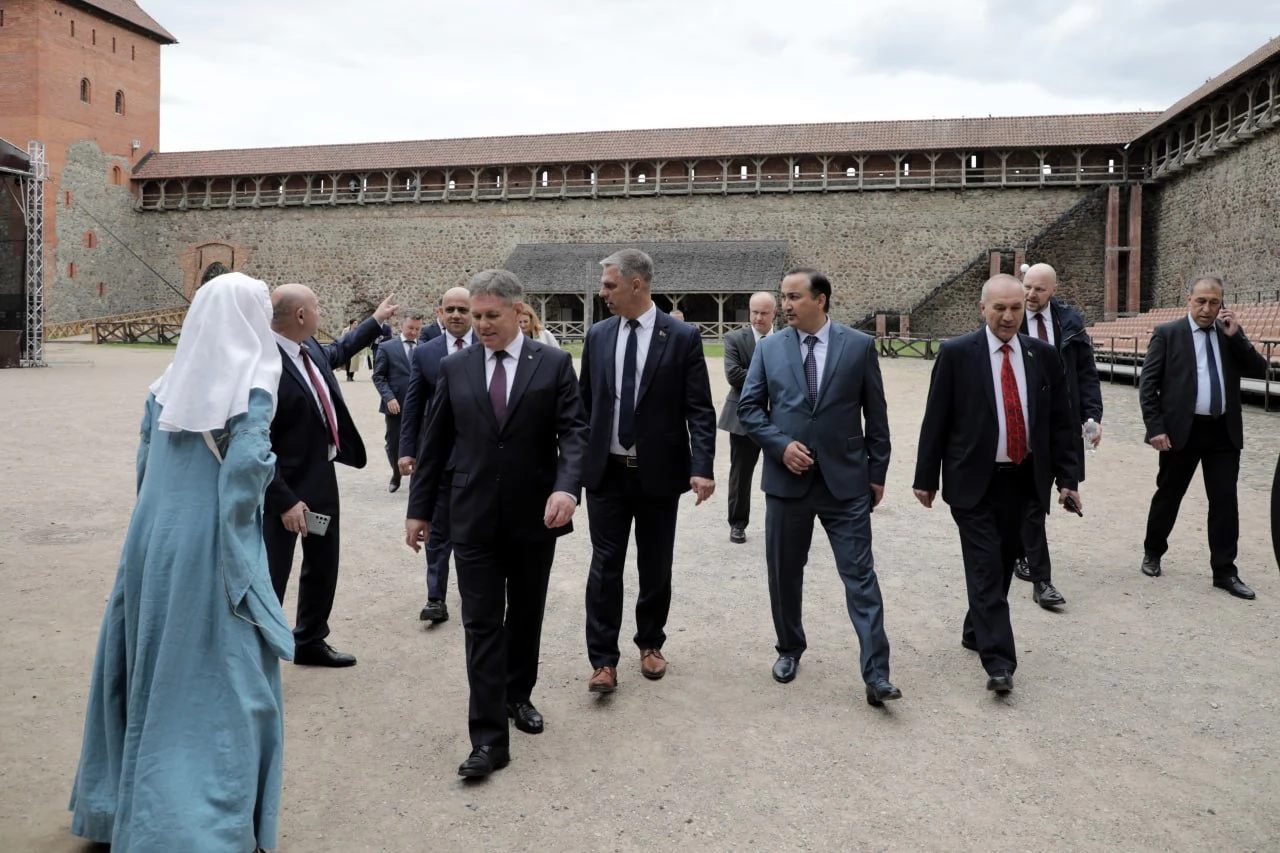
The Permanent Representatives:
- discussed the outcomes of the meeting of the CIS Heads of Government Council and tasks related to the implementation of the adopted documents and the initiatives put forward;
- heard the information on the results of the CIS sectoral cooperation bodies activities in the legal sphere in 2025;
- heard the information on the preparation of the “Eurasian Charter of Diversity and Multipolarity in the 21st Century”, presented by Permanent Plenipotentiary Representative of the Republic of Belarus to the CIS Statutory and Other Bodies Igor Nazaruk and Permanent Representative of the Russian Federation to the CIS Statutory and Other Bodies Alexander Lukashevich;
- heard the information on the Day of Slavic Writing and Culture celebration, presented by Permanent Representative of the Russian Federation to the CIS Statutory and Other Bodies Alexander Lukashevich.
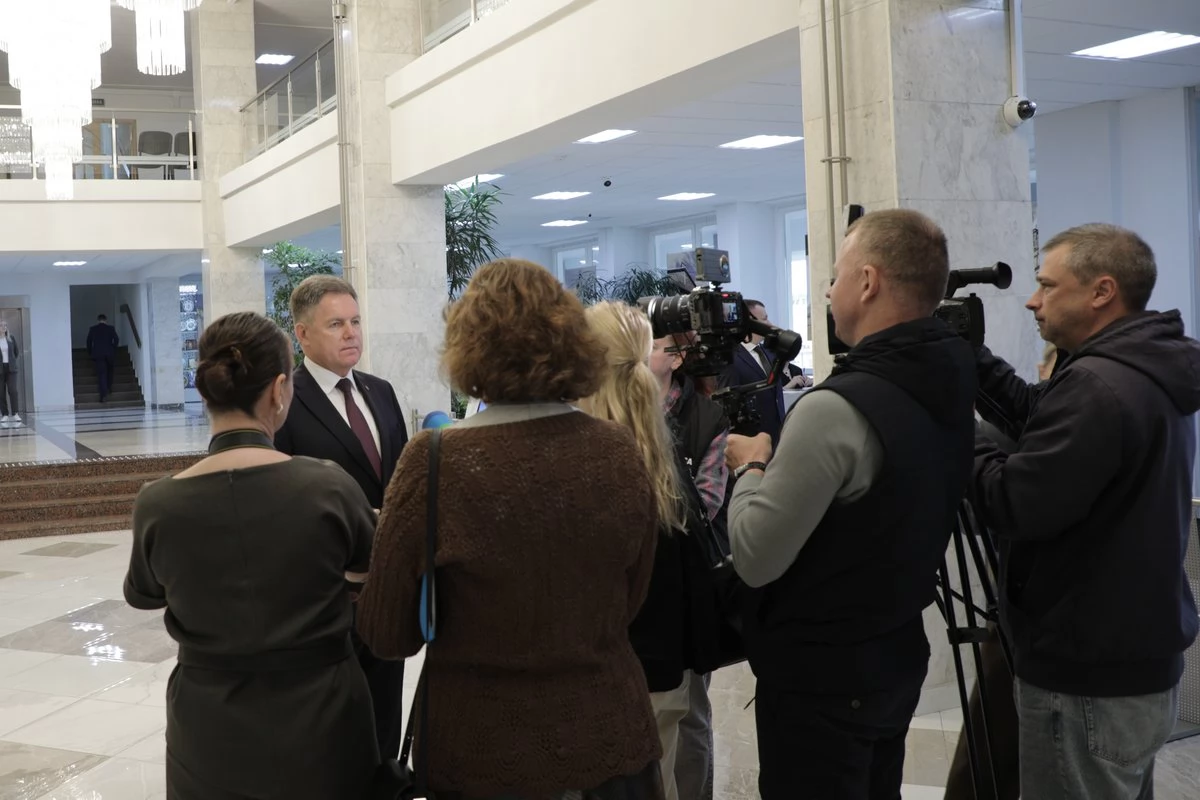
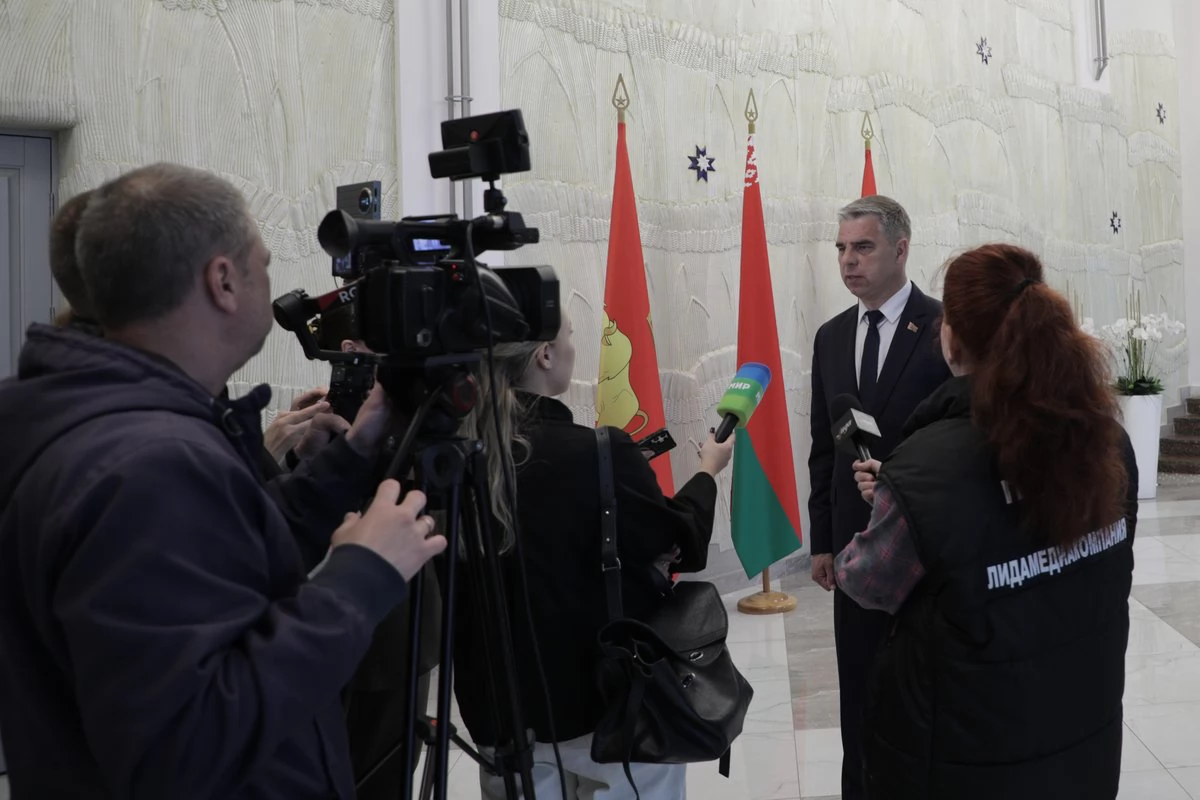
At the conclusion of the meeting, Chairman of the Lida District Executive Committee Alexander Versotsky briefed the Permanent Representatives on the economic and tourism potential of the region.
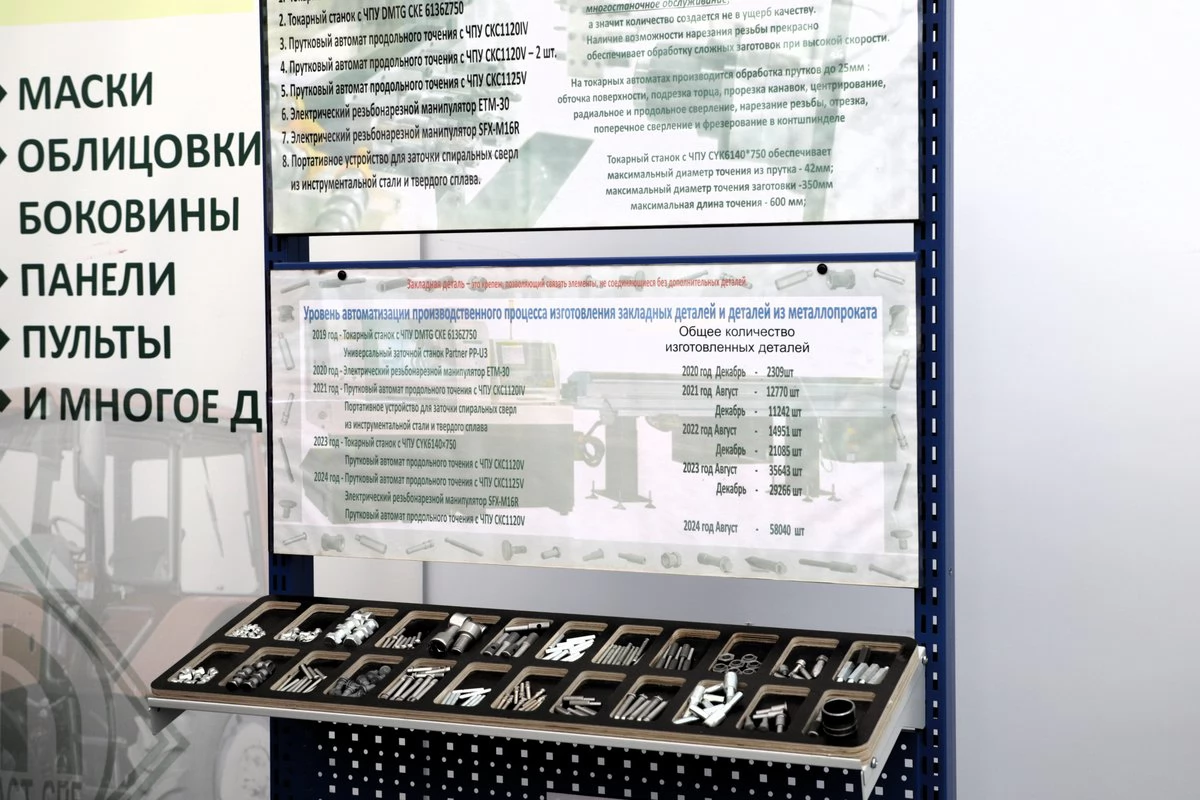
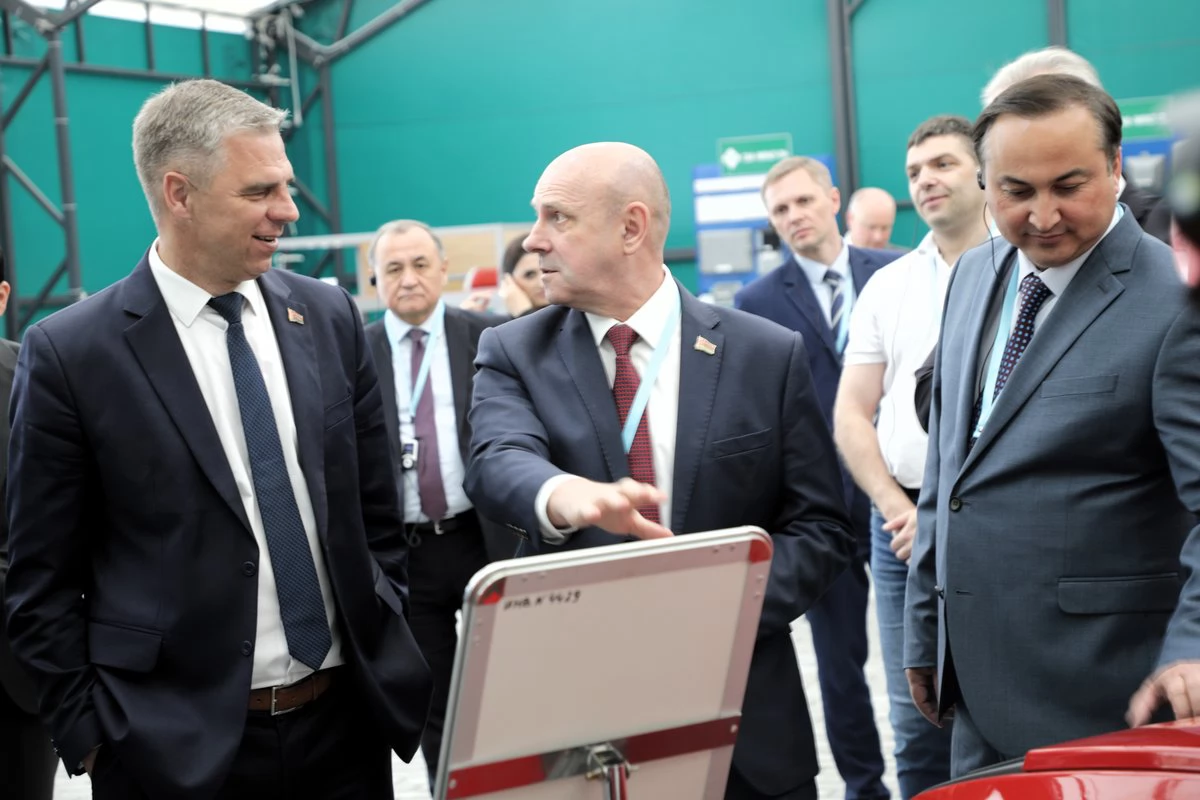
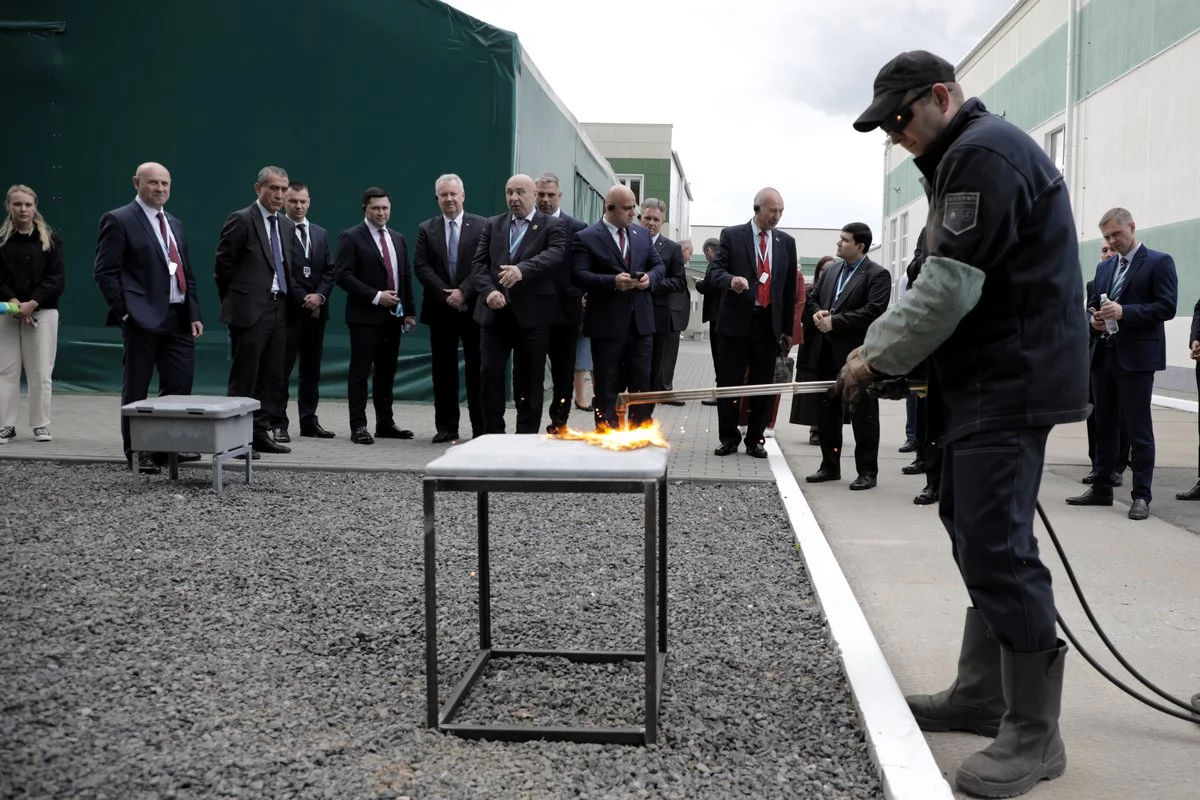
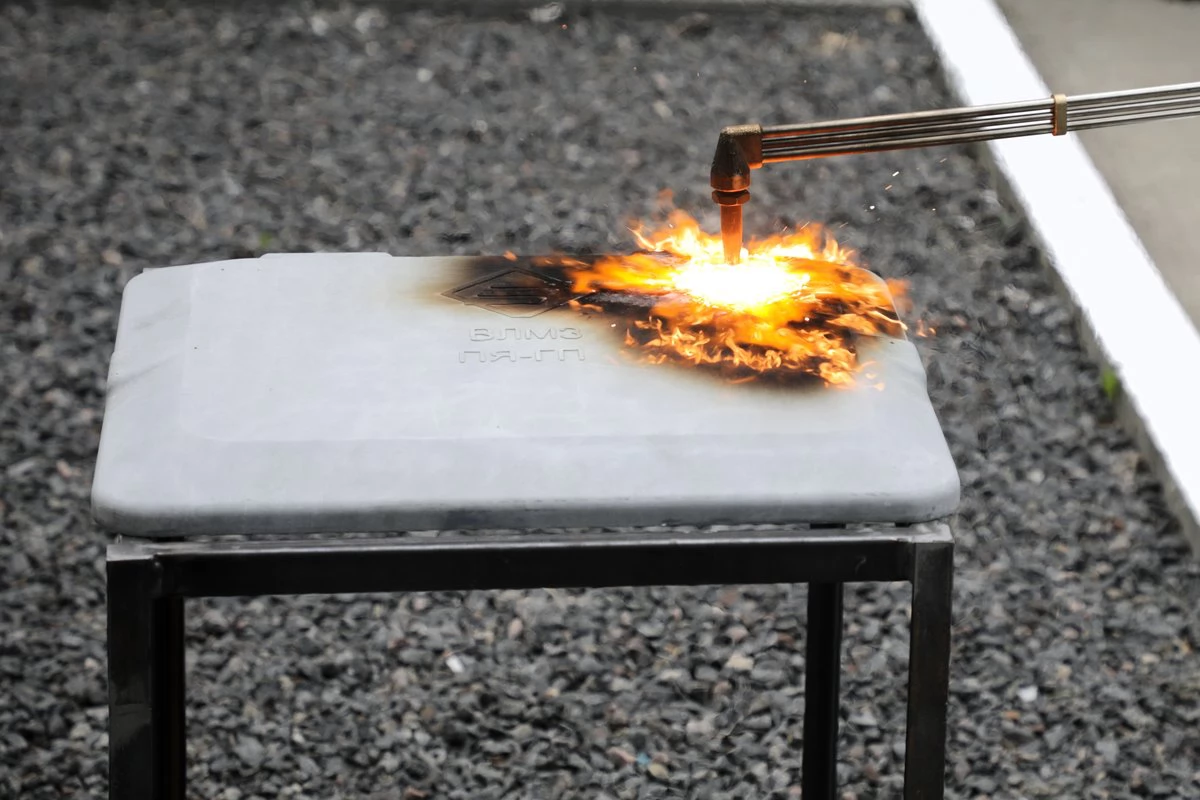
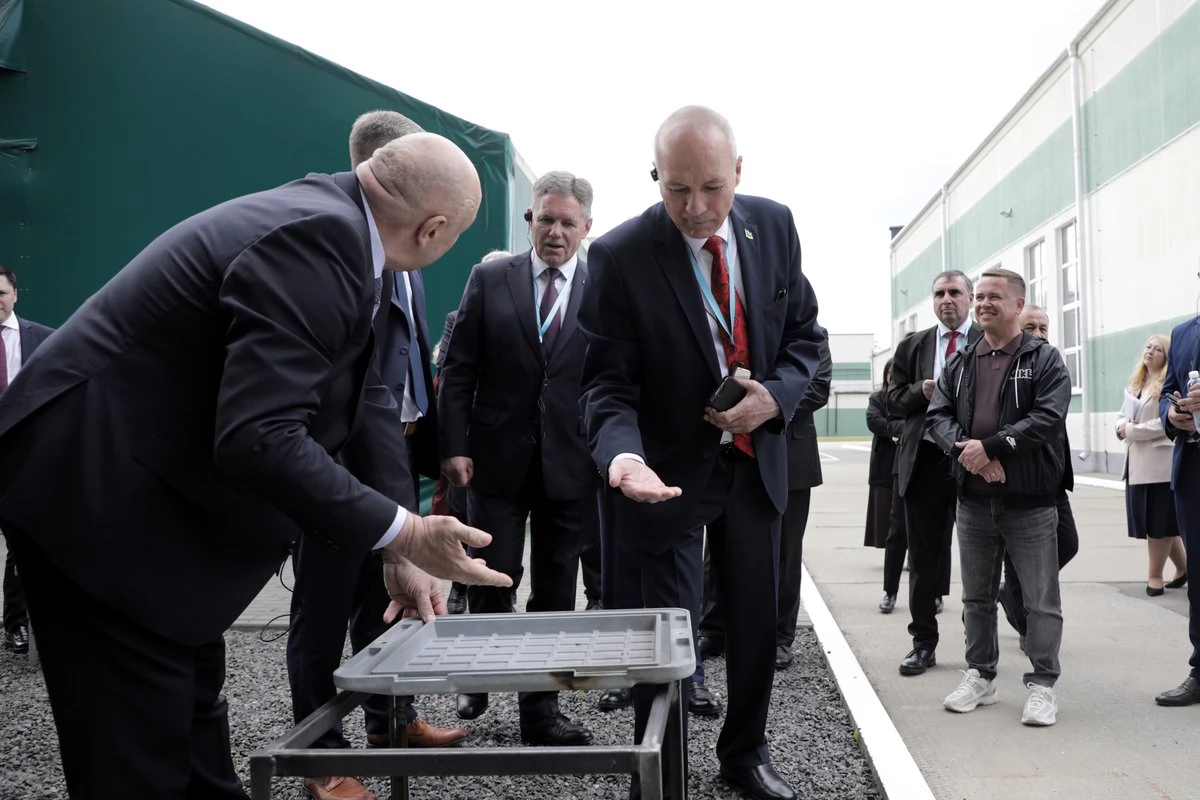
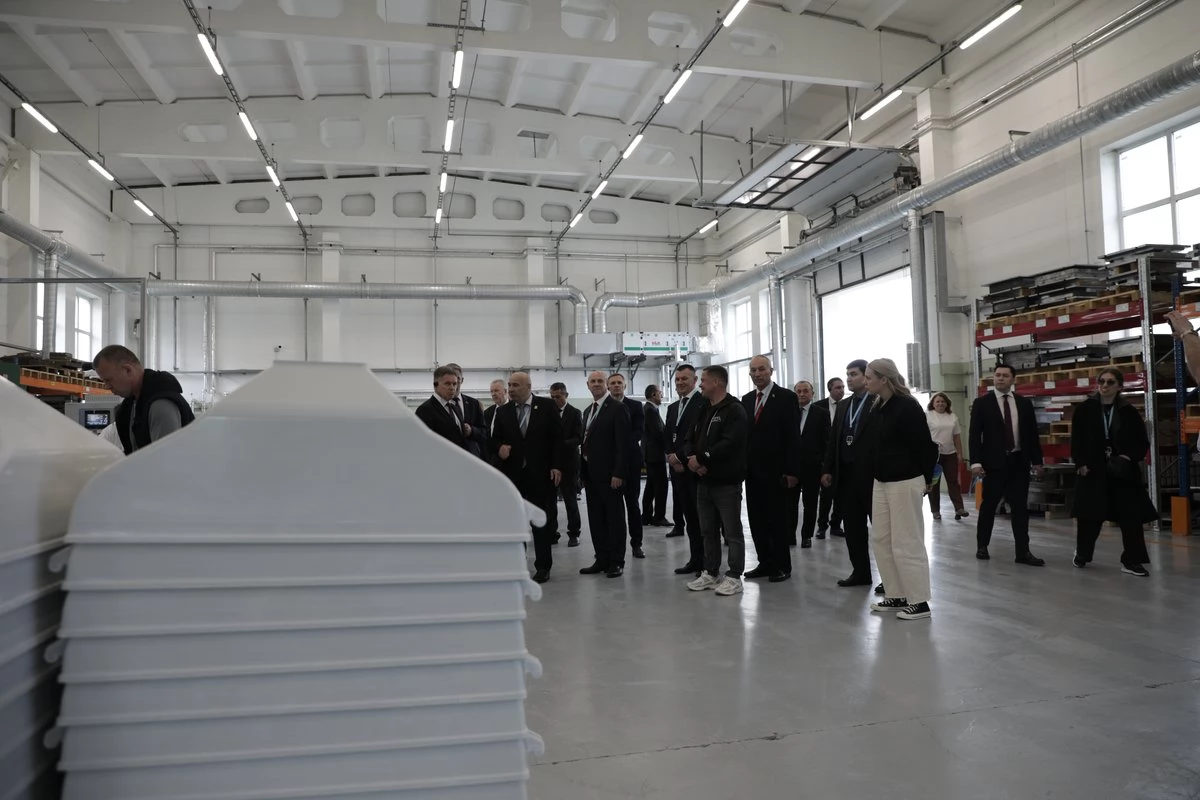
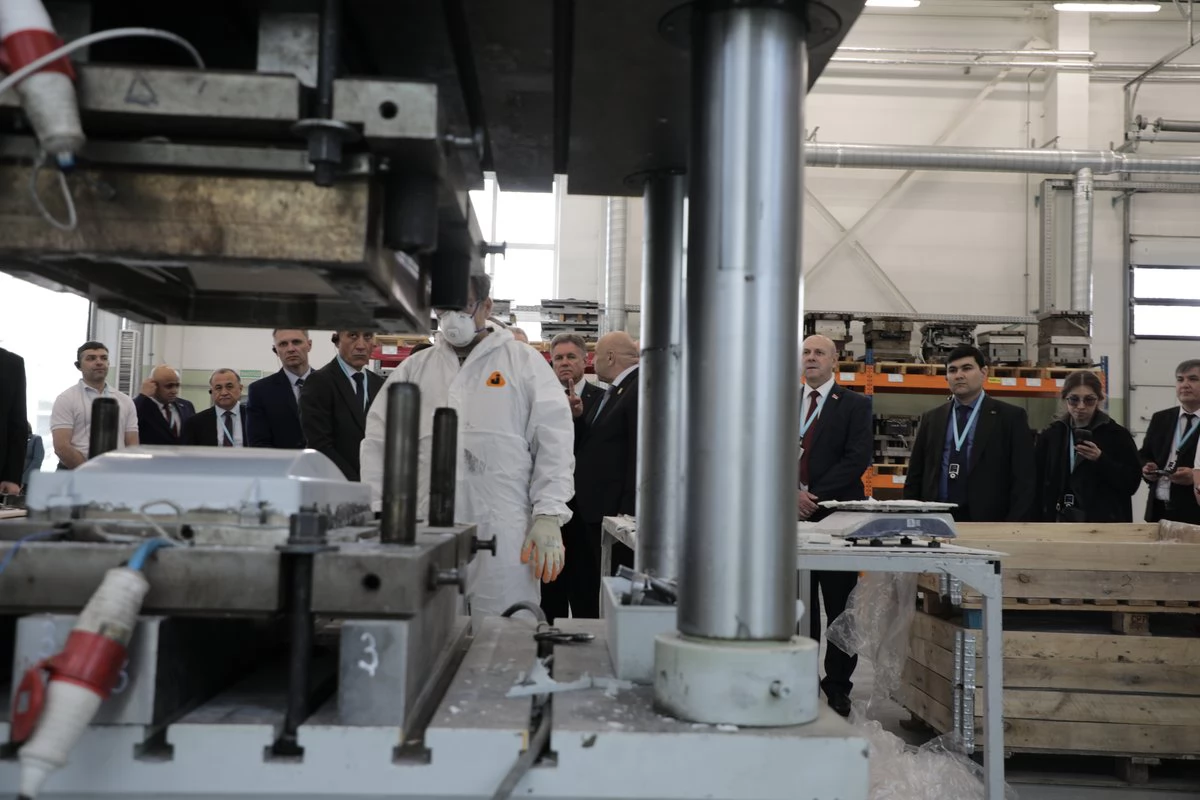
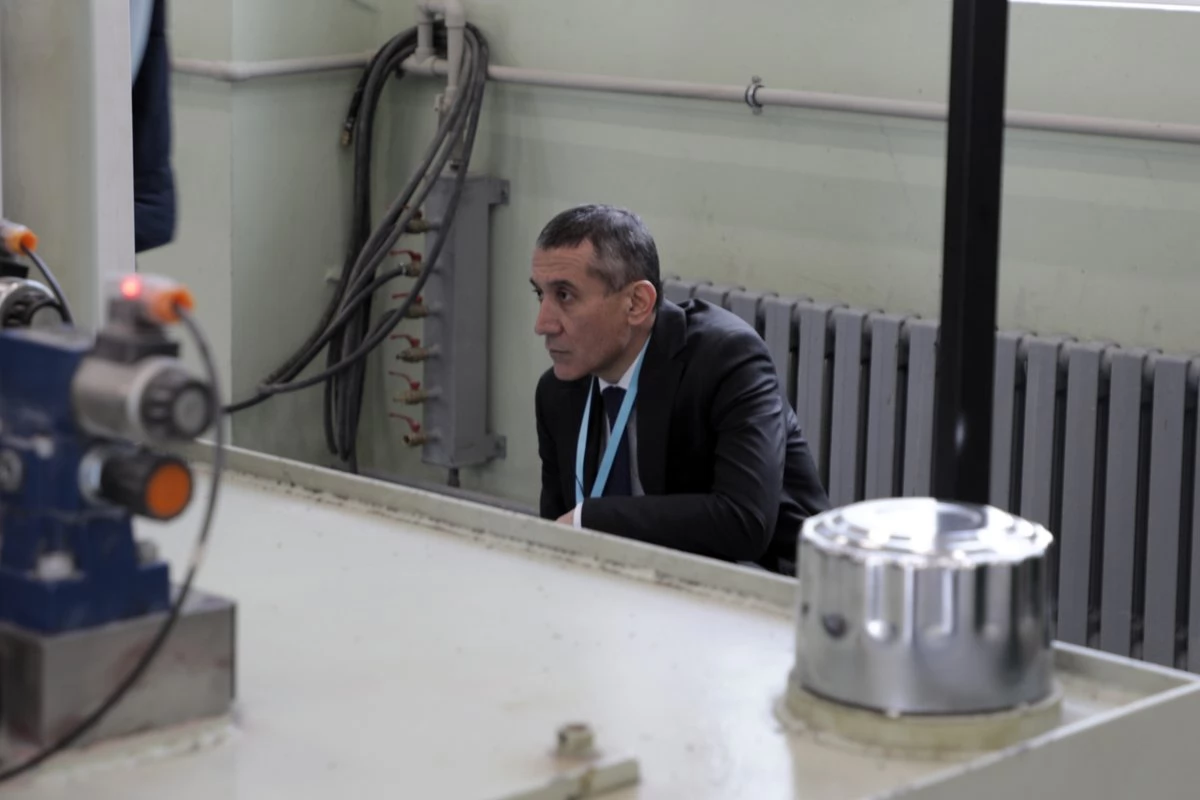
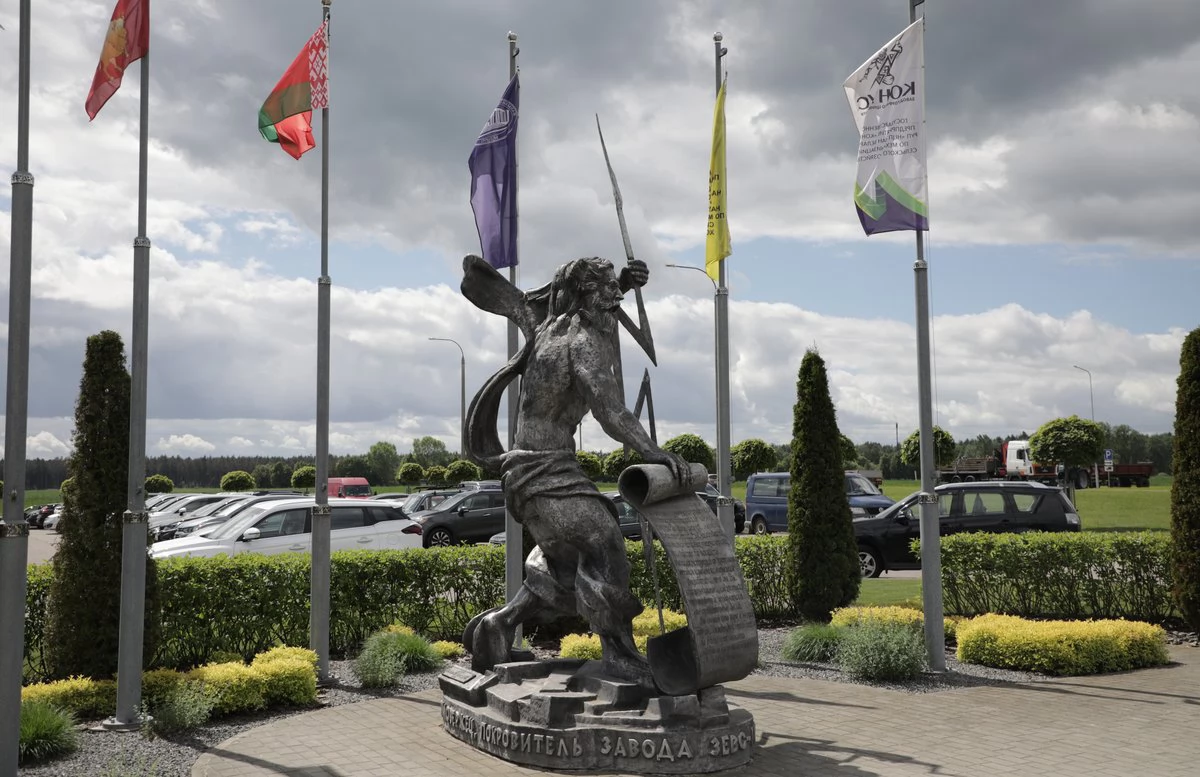
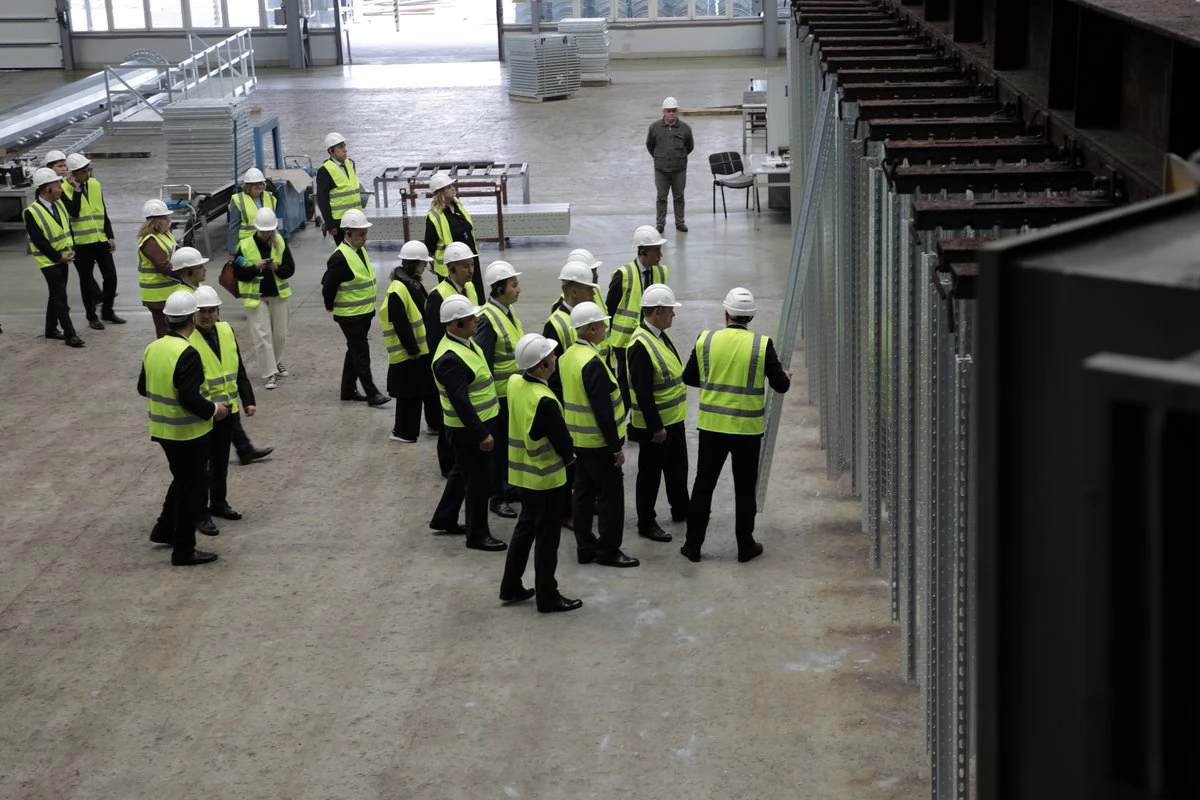
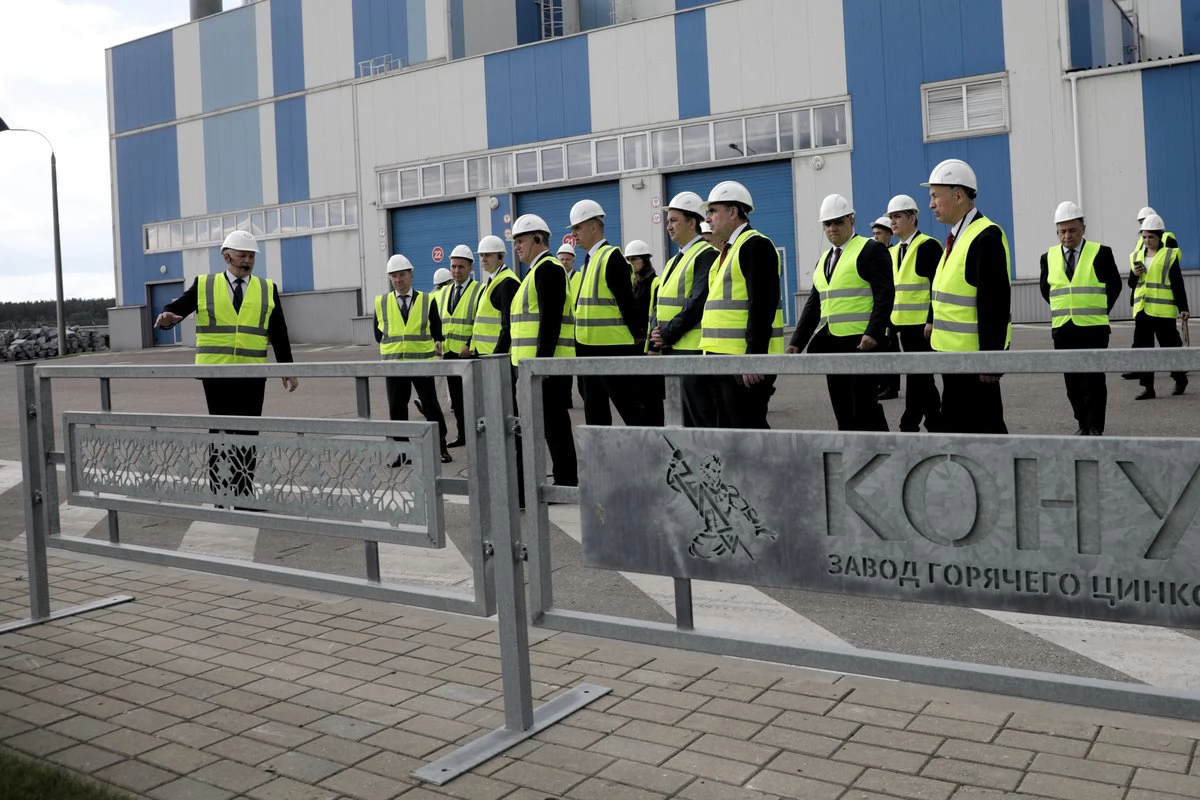
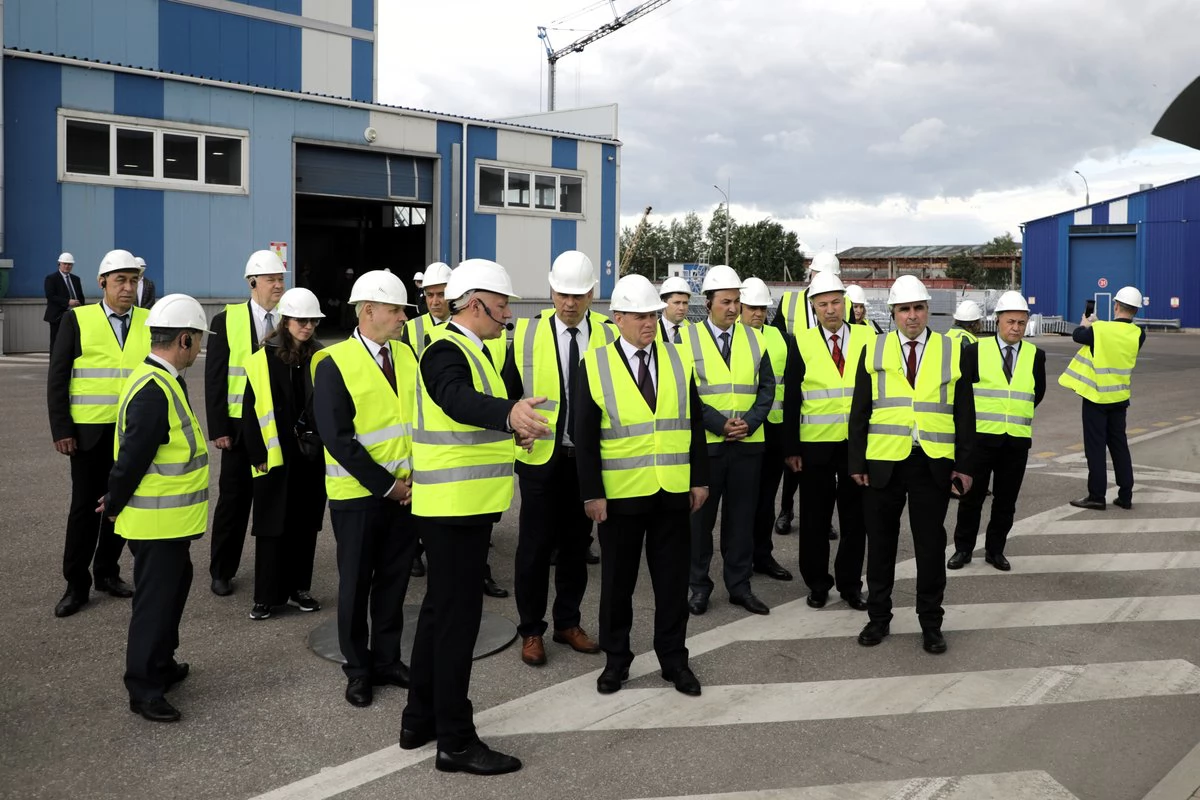
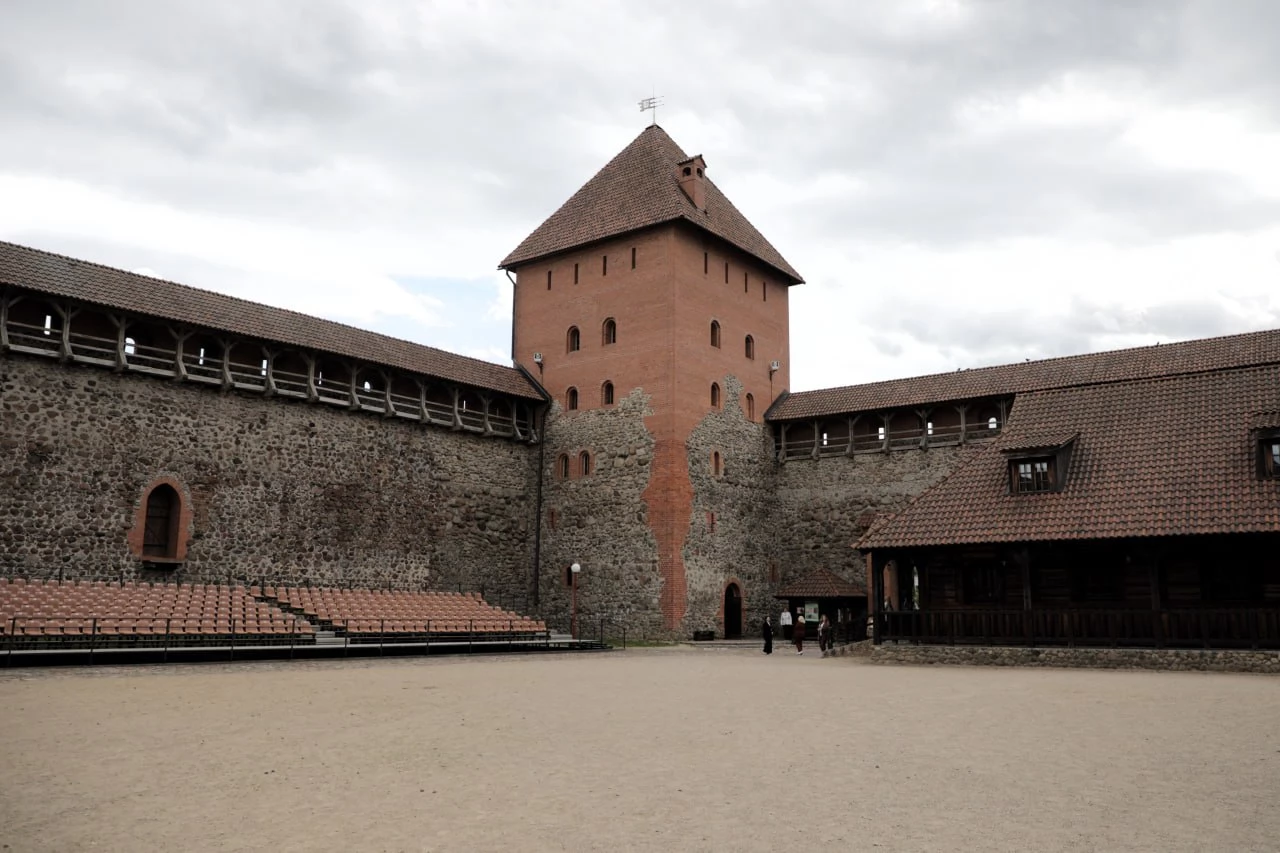
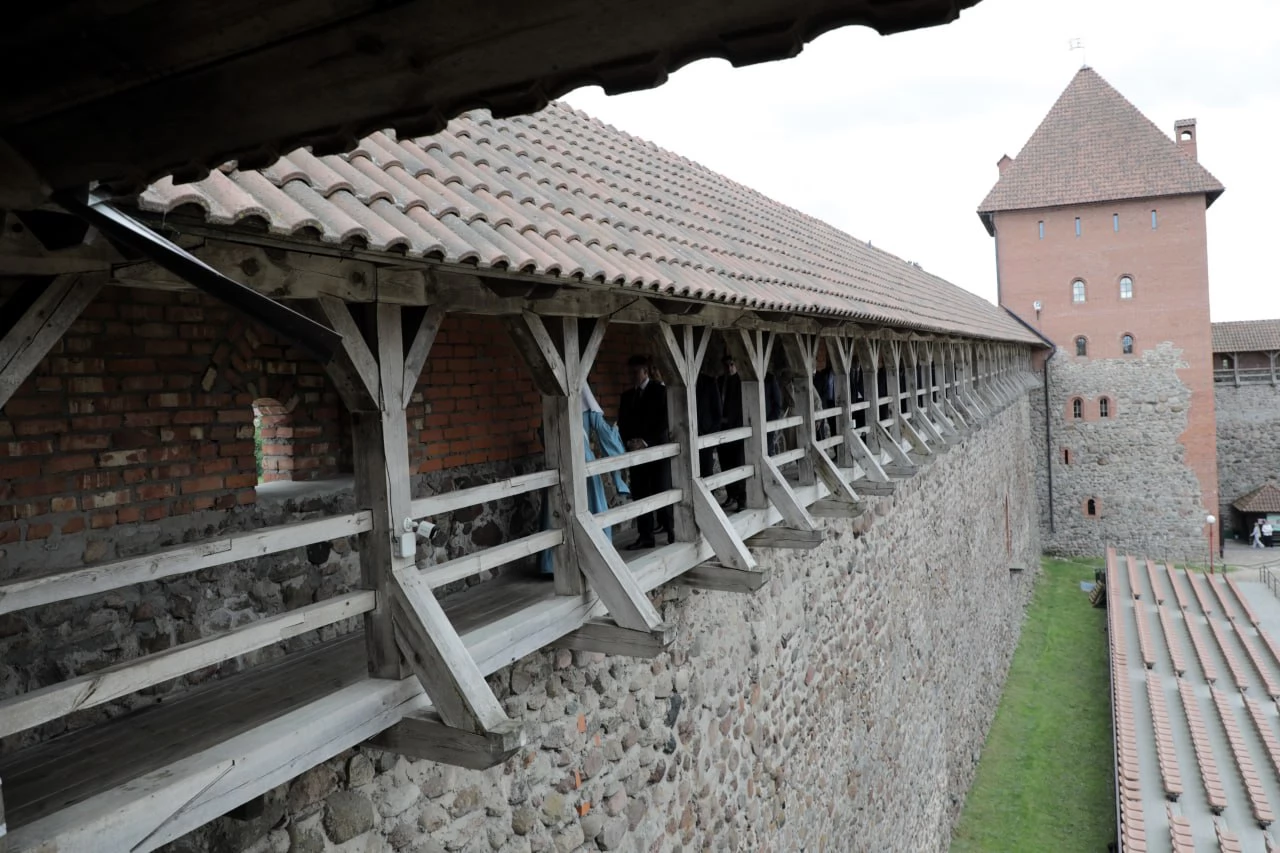
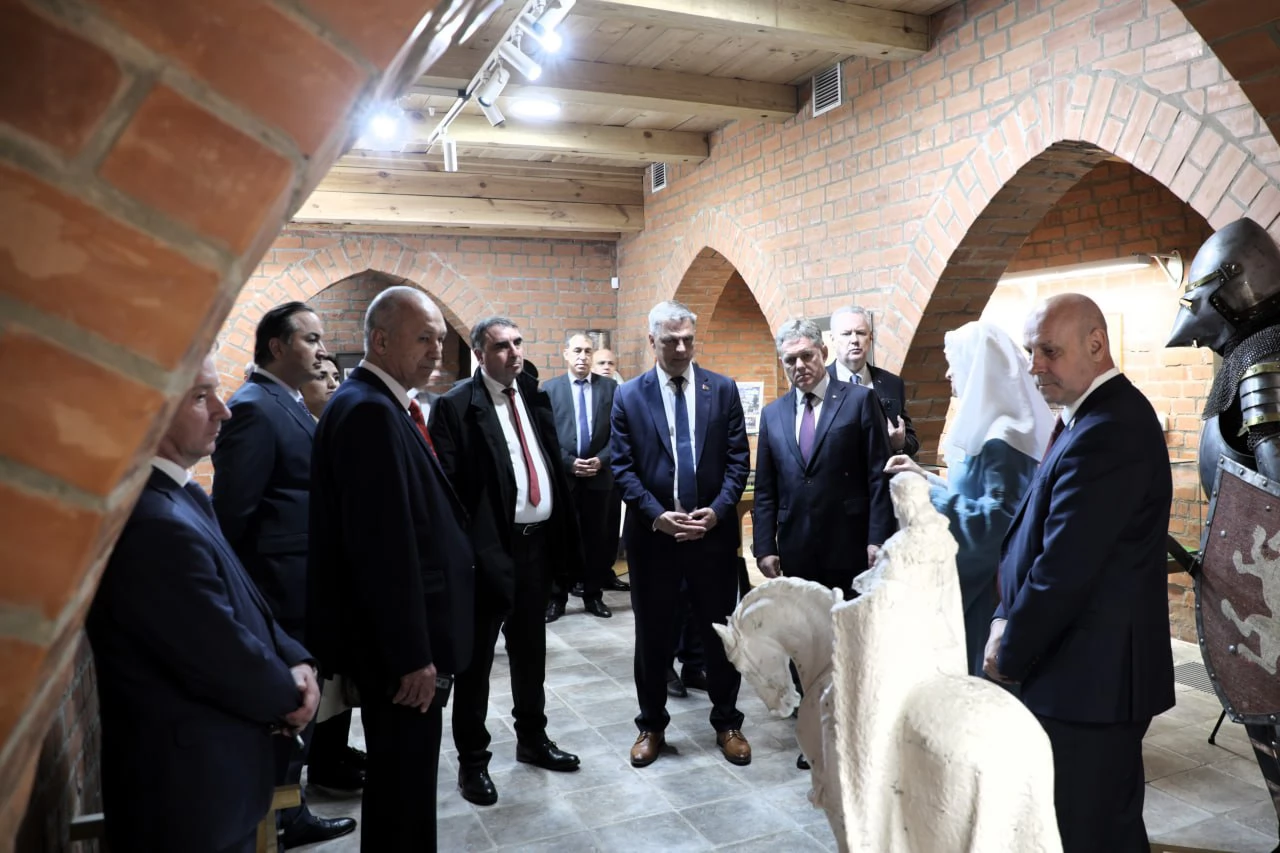
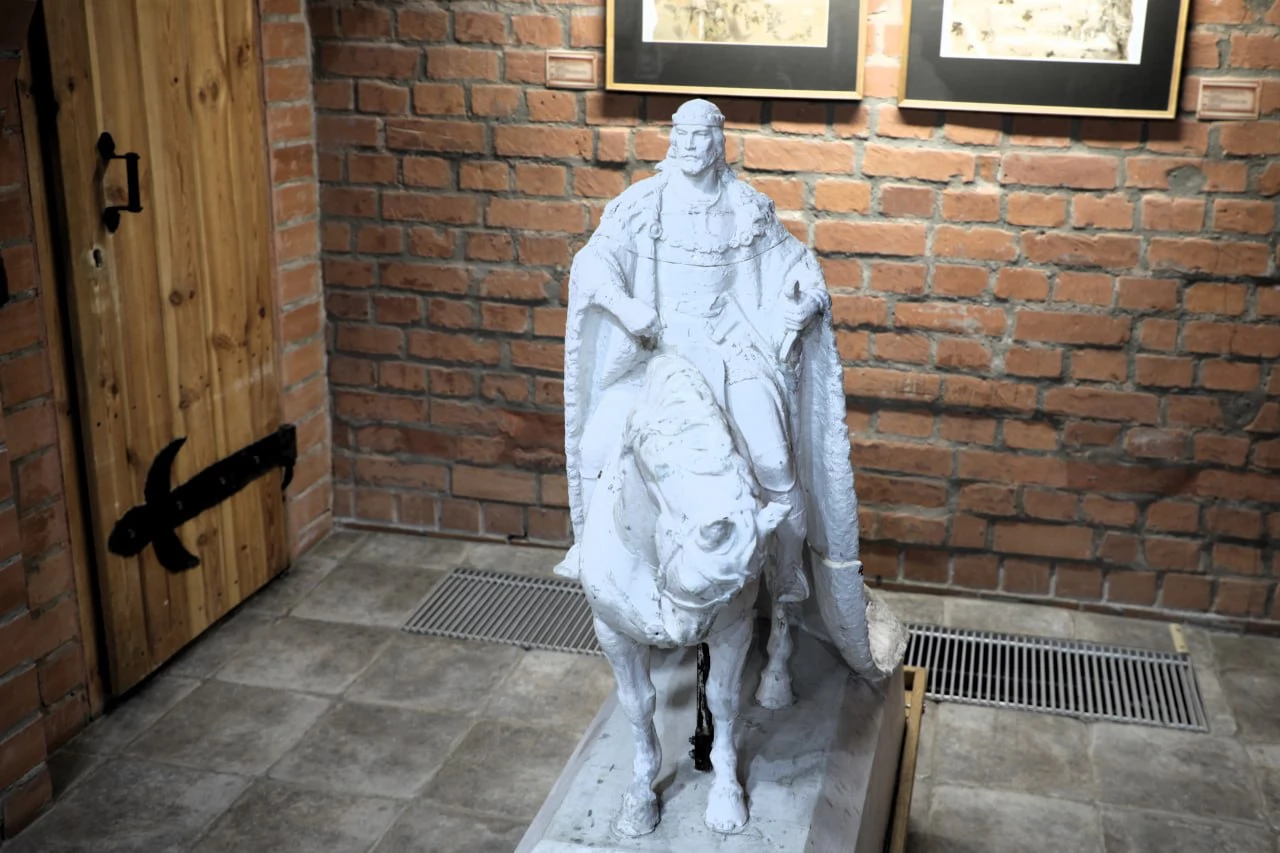
Following the Council meeting, the Permanent Representatives visited Lida’s industrial enterprises – the Republican Subsidiary Production Enterprise “Konus” and the Joint-Stock Company “LIPLAST-SPb” – and also the exhibitions and displays in Lida Castle.
The next meeting of the Council of Permanent Plenipotentiary Representatives of the Commonwealth Member States to the CIS Statutory and Other Bodies is scheduled for June 30, 2026.
For reference:
In the autumn of 2024, Belarus and Russia initiated the development of the Eurasian Charter of Diversity and Multipolarity in the 21st Century at the Minsk International Conference on Eurasian Security, inviting other Eurasian countries to participate in this process.
The Charter is a strategic document that establishes the political and legal foundations for interaction among states in the Eurasian space within the geopolitical realities of multipolarity.