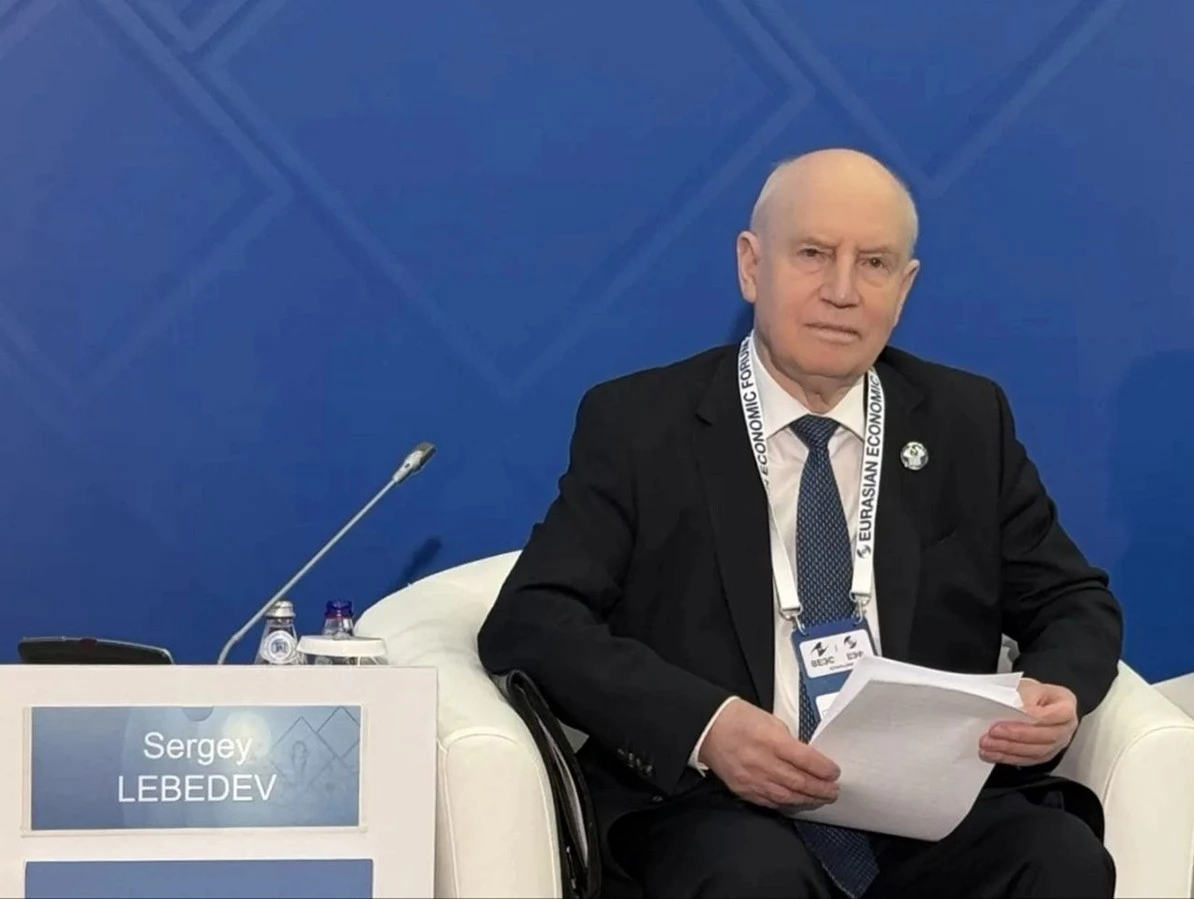
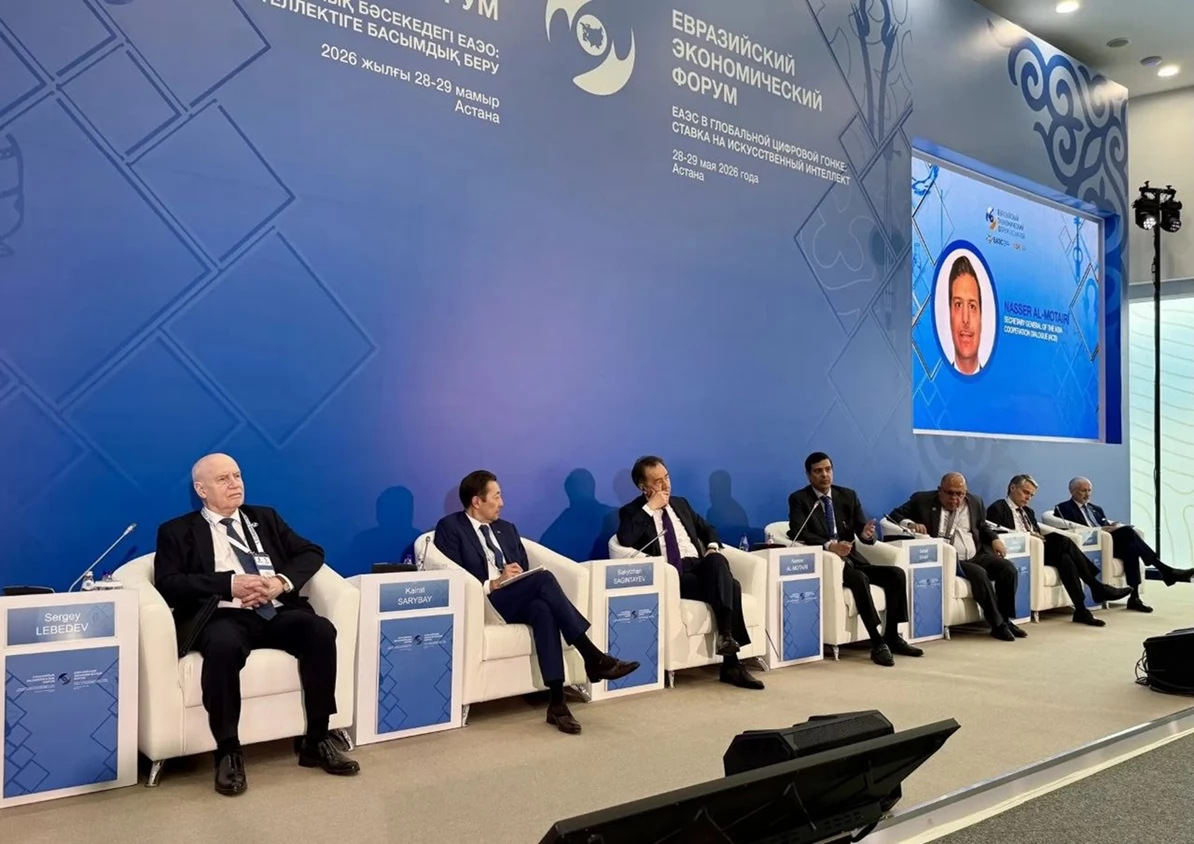
On May 28, 2026, in Astana, CIS Secretary-General Sergey Lebedev addressed the session “Integration without Barriers: Dialogue of Associations for Strengthening Economic Ties” of the 5th Eurasian Economic Forum (EEF).
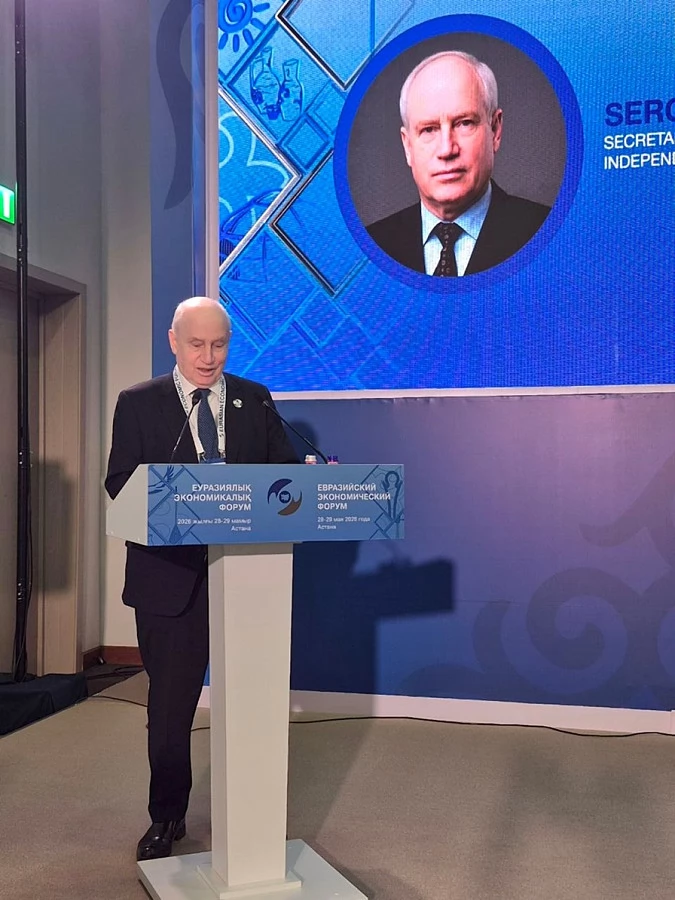
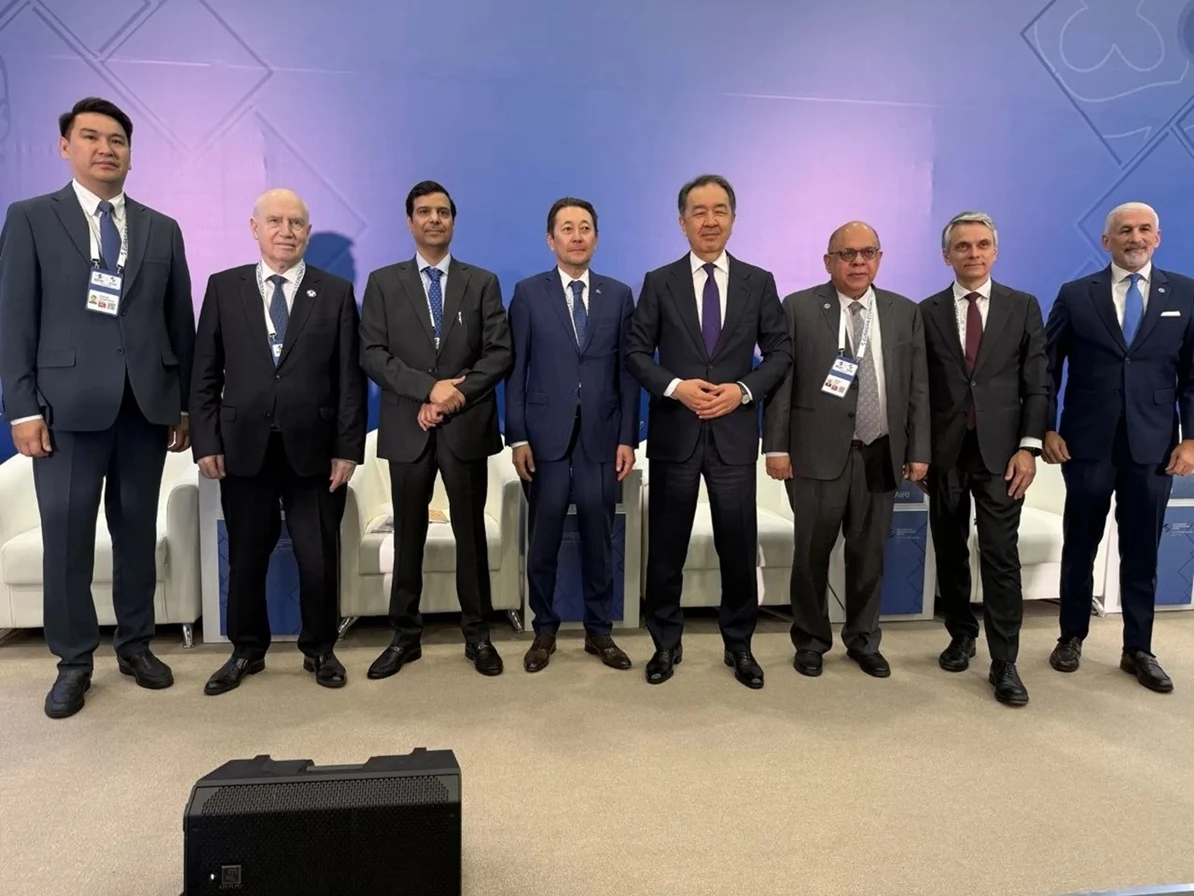
He welcomed the gathered participants and noted that “over five years, the EEF has acquired the status of a reputable international platform for building effective interaction between business and government representatives.
The theme of today’s session, dedicated to the dialogue of integration associations for creating a barrier-free environment, accurately reflects the common current demand for strengthening regional economic cooperation.
As you know, the Commonwealth of Independent States is the oldest integration association within the post-Soviet space and in December 2026 will mark the 35th anniversary of its founding. As a fundamental platform for multilateral cooperation, the Commonwealth helps maintain economic stability and steady development of the region.
Our joint efforts are directed towards the improvement of the well-being and quality of life of the citizens of our countries. Such coordinated actions allow us, in the face of unprecedented external pressure, to maintain positive dynamics in key economic indicators.”
The CIS Secretary-General drew attention to the fact that “at the end of 2025, GDP across the Commonwealth as a whole increased by 2.1%. Economic growth was recorded in all CIS member states. This upward trend continues in 2026 as well.
A welcoming environment for developing export potential and supporting business has been created in the CIS. The geography of supplies and areas of cooperation between Commonwealth countries are steadily expanding, and the volume of reciprocal trade is consistently increasing. All this helps provide citizens with quality products and services.”
Sergey Lebedev noted that “the Commonwealth has not only developed effective mechanisms and institutions for interstate cooperation, but has also achieved significant results.
In 2025, by a Decision of the CIS Heads of State Council, a new format of extended cooperation, ‘CIS Plus’, was established. Practical work on the accession of observers and partners has already begun. These mechanisms open up new opportunities for dialogue with states and international organizations that share our goals. Last year, the Shanghai Cooperation Organization was the first to obtain observer status in the CIS – we have been cooperating with it for over 20 years.
The cooperation between the CIS and the Eurasian Economic Union (EAEU) has lasted for more than 13 years and is systematic in nature. In 2012, a Memorandum on deepening interaction between the CIS Executive Committee and the Eurasian Economic Commission was signed. We are implementing a joint Action Plan aimed at aligning the legal regulations of the CIS and the EAEU, exchanging experience and best practices in the developing of priority economic sectors, as well as implementing joint projects and programs.”
It seems that the focus of attention should be directed to joint work to adapt to the current external challenges. Using each other’s strengths it is possible to develop new areas of interaction, improve institutional mechanisms, and strengthen positions on the international stage.
At the same time, integration must be oriented to the practical implementation of projects and achievement of concrete results. Among the priority areas of such cooperation, one can note increasing trade turnover, developing industrial cooperation, creating sustainable transport and logistics routes, and increasing the share of settlements in national currencies,” CIS Secretary-General believes.
“This year, the EEF is dedicated to the global digital race. Indeed, artificial intelligence and digitalization are penetrating all spheres of our lives so rapidly that their implementation is becoming a necessary condition for long-term economic growth.
It is in our common interest to use technological progress, including digitalization, to eliminate trade, customs and financial barriers.
A key factor in strengthening economic integration in the region is combining the potential of our integration structures to achieve a synergistic effect. Our strength lies in our unity,” Sergey Lebedev concluded.