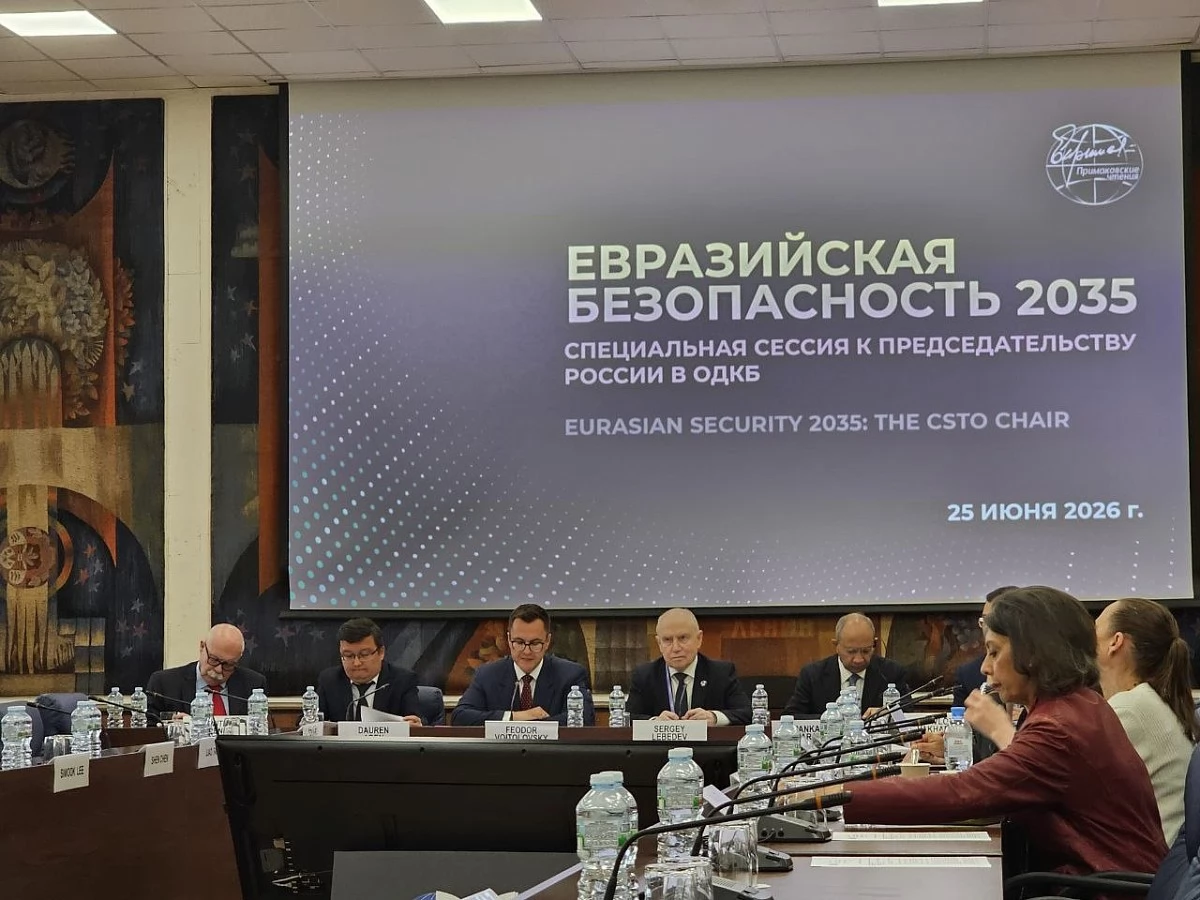
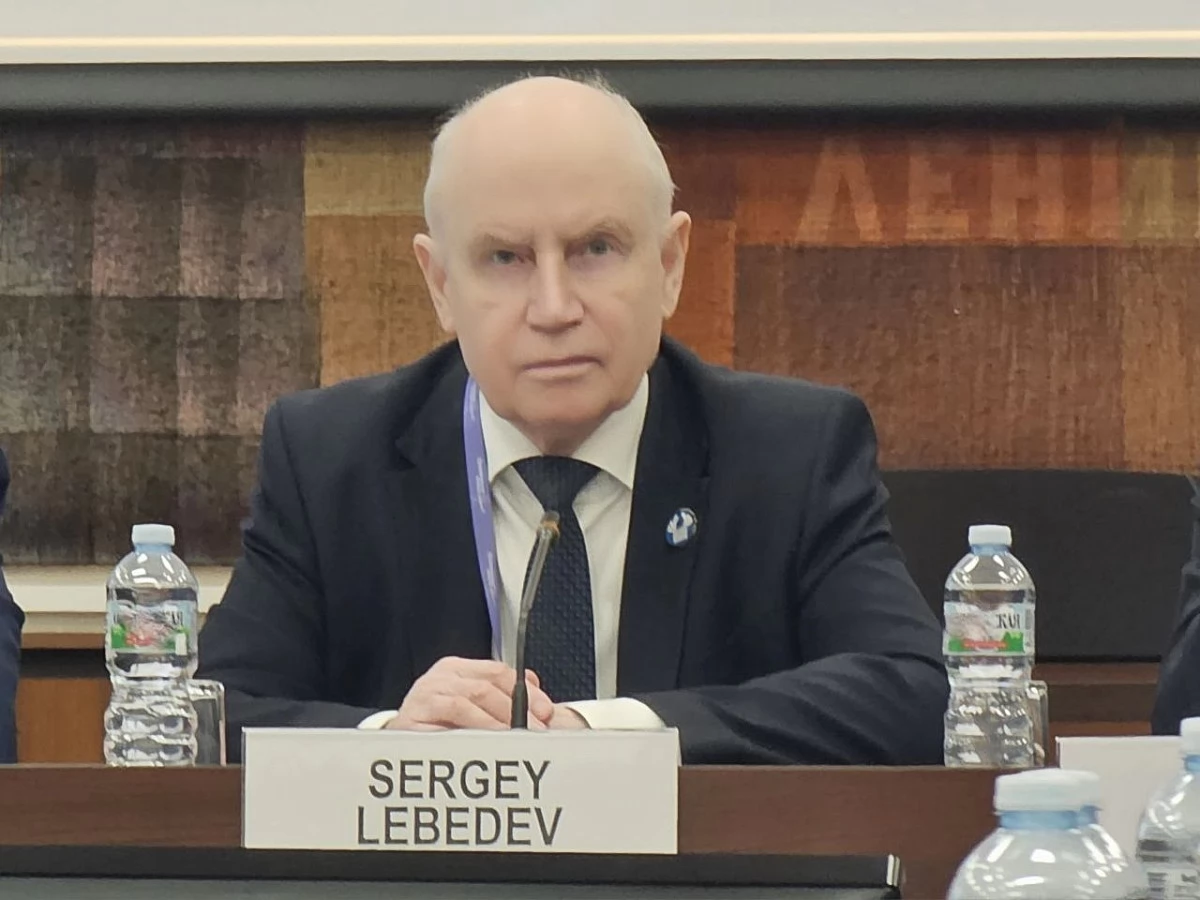
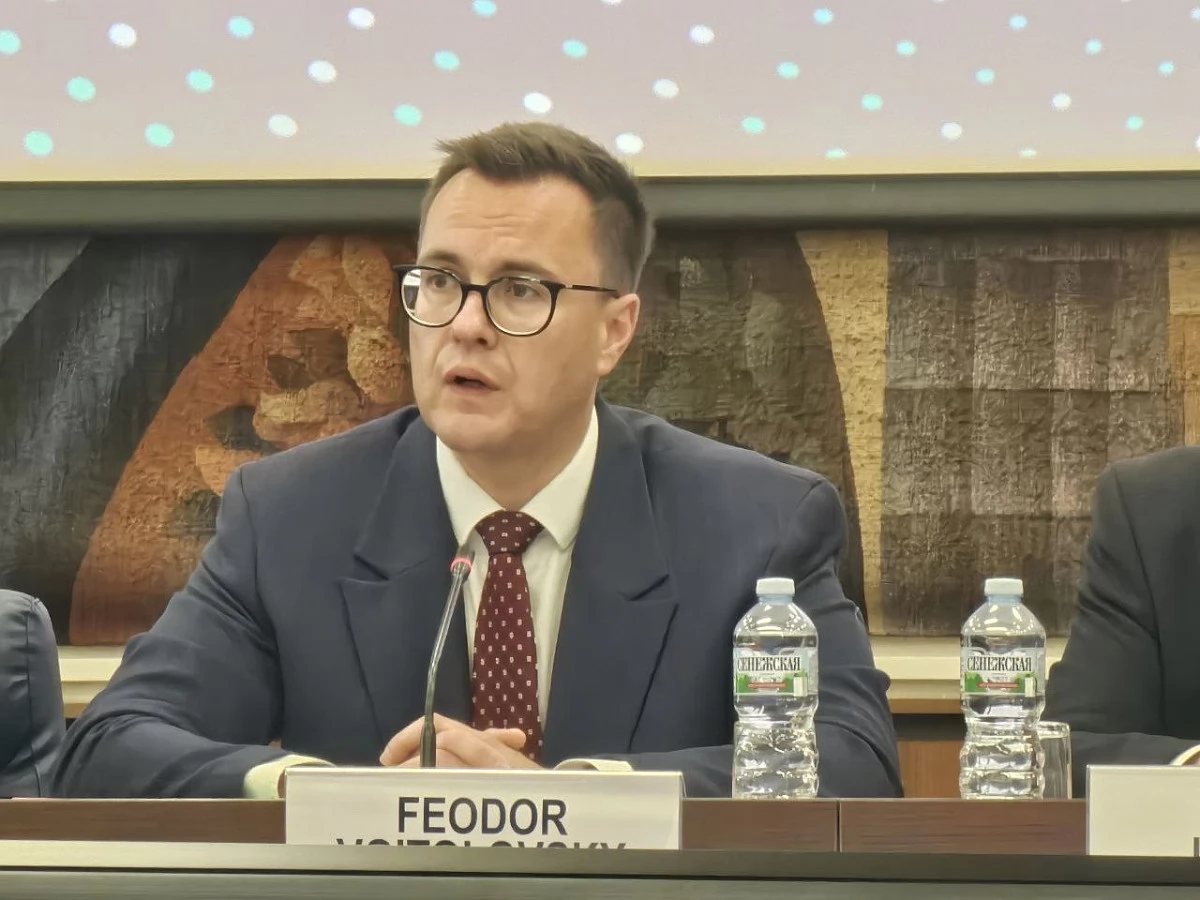
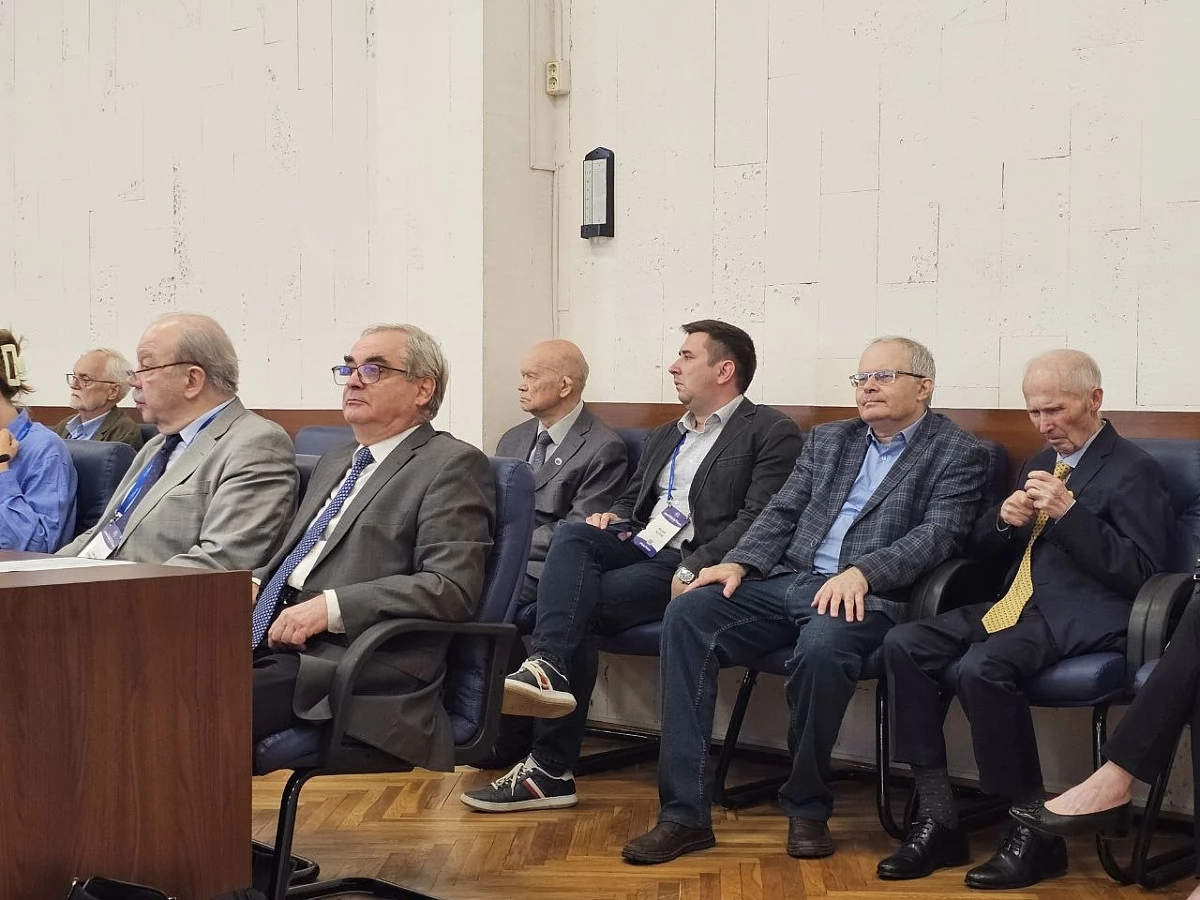
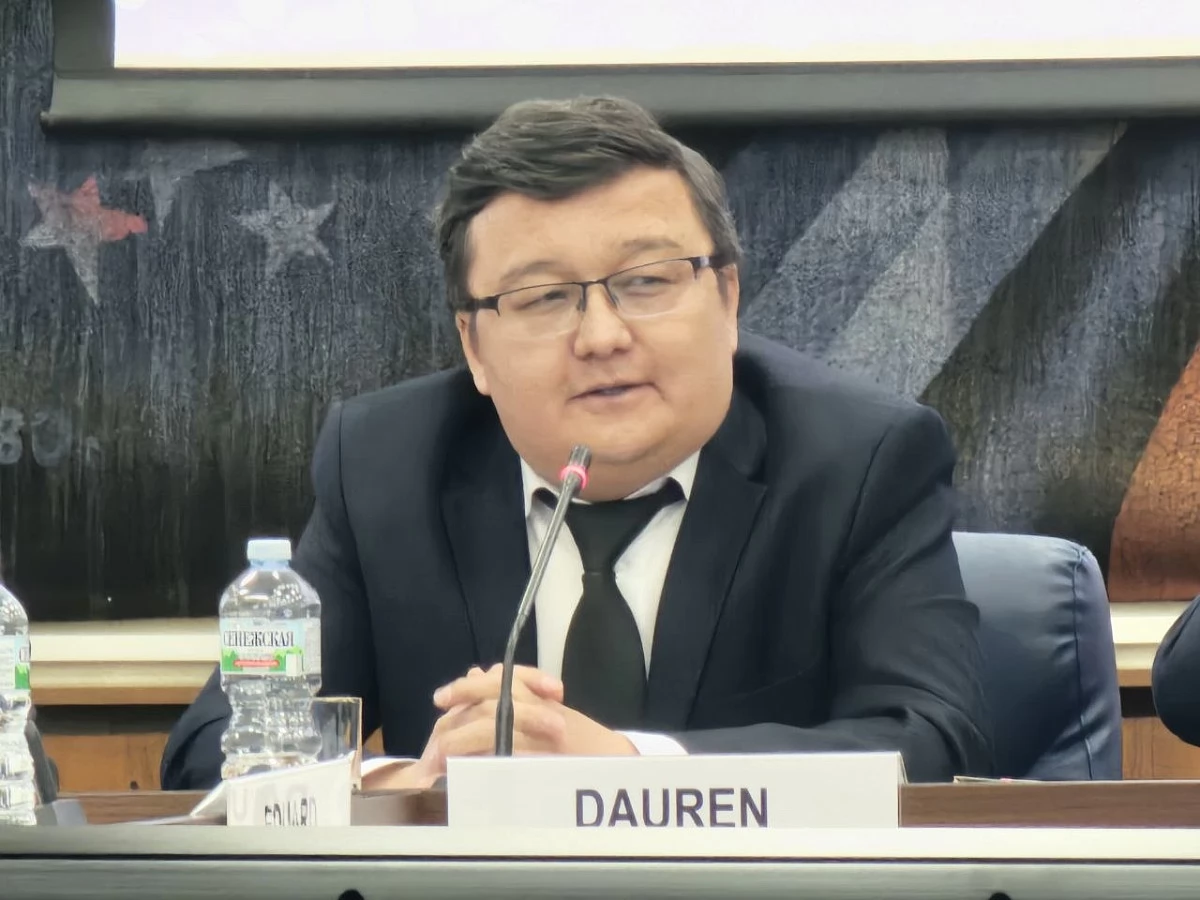
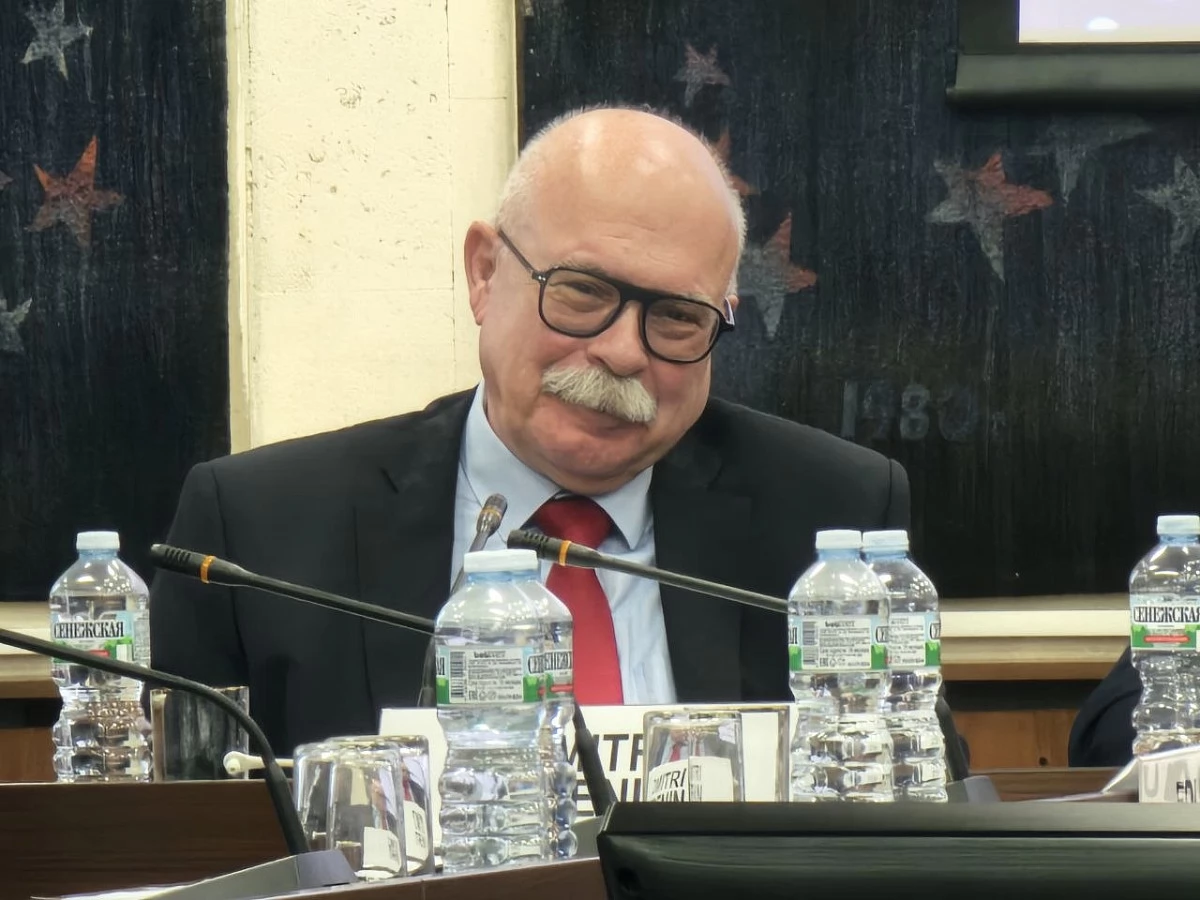
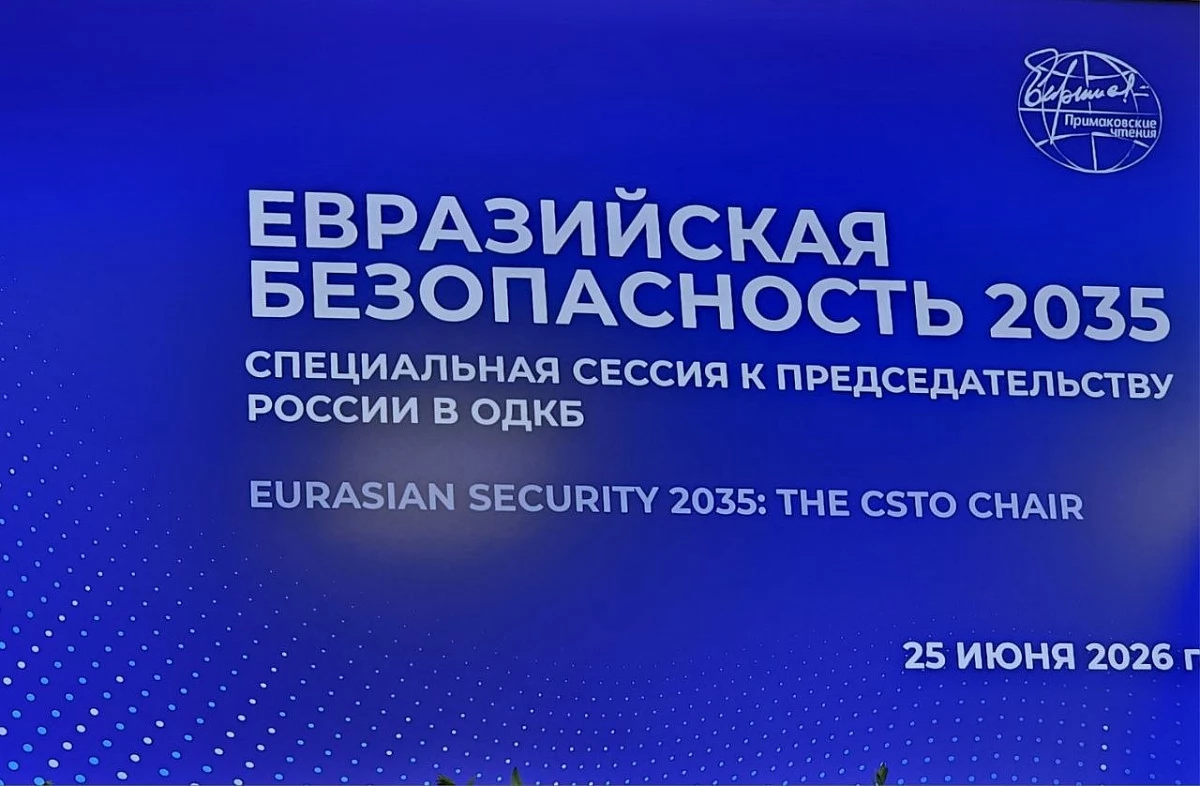
On June 25, 2026, a Special Session “Eurasian Security 2035” dedicated to Russia’s chairmanship of the CSTO was held at the Primakov Institute of World Economy and International Relations of the Russian Academy of Sciences in Moscow. CIS Secretary-General Sergey Lebedev delivered a report on “Eurasian Security in the 21st Century: From Fragmentation and Bloc Dictates to an Indivisible Architecture of Cooperation” before the audience.
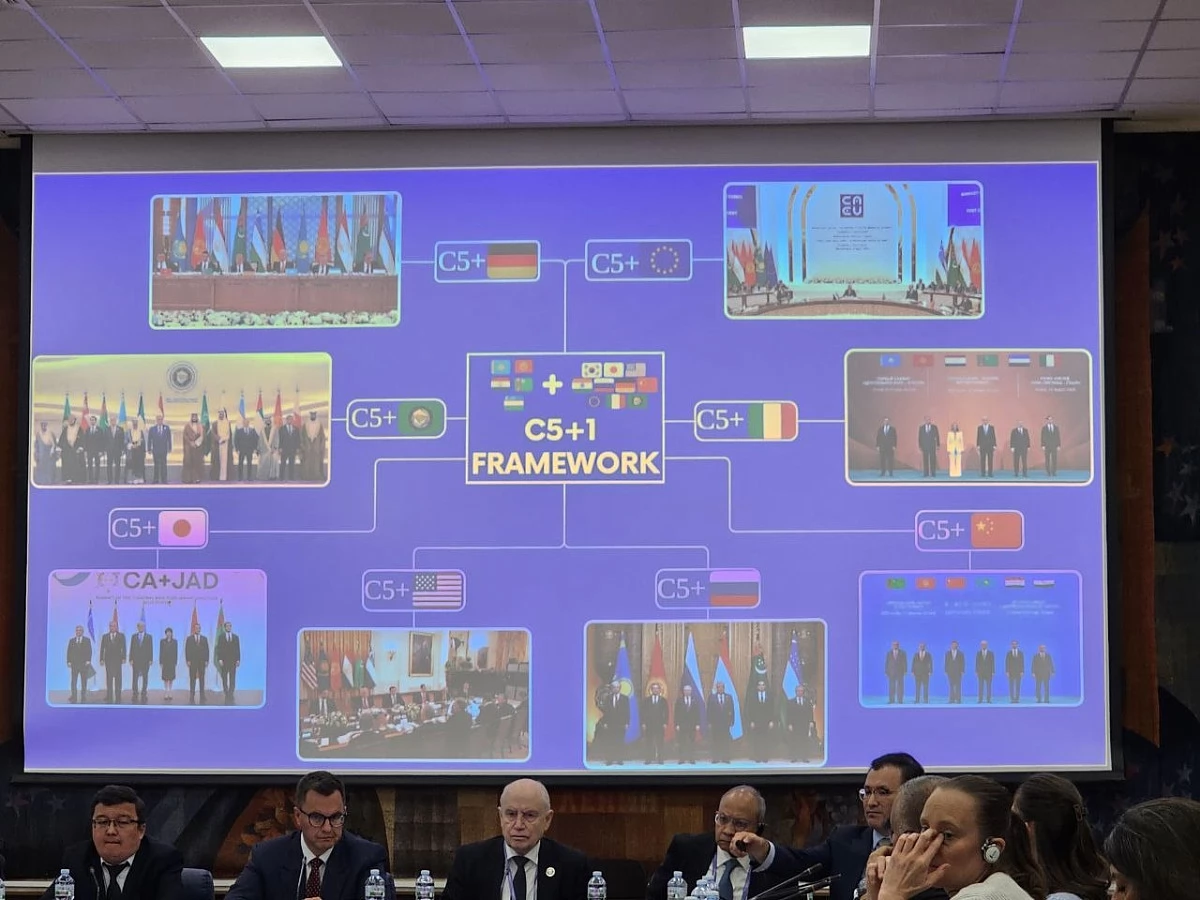
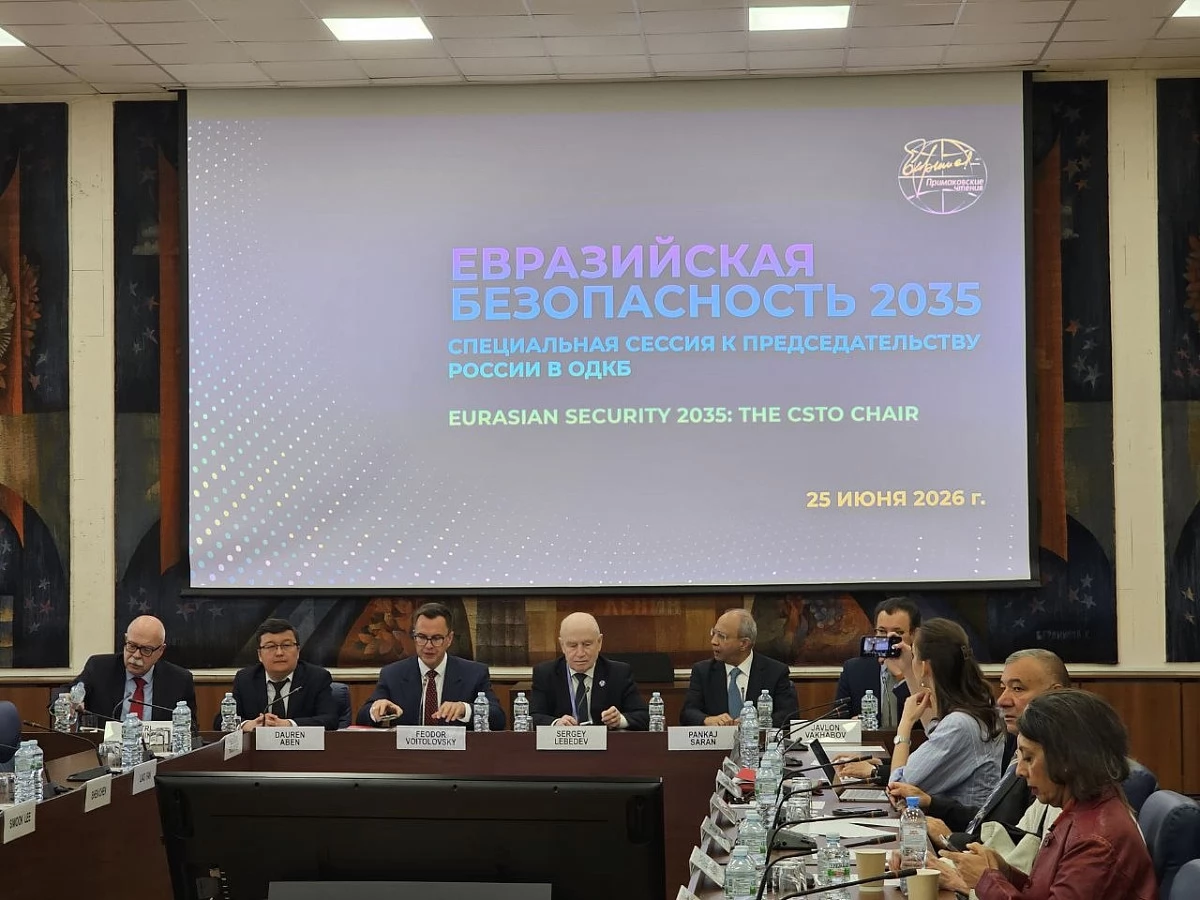
The Secretary-General stated that decision-making centers, economic power and political influence in the modern world are irreversibly shifting towards Greater Eurasia and the Global South. He also emphasized that attempts by the West to expand NATO influence eastward, the reckless expansion of military infrastructure towards the borders of the Commonwealth states, and the dismantling of arms control treaties are turning Europe into a zone of permanent crisis. He stressed that under these conditions, Eurasia must itself take responsibility for its own peace and stability.
The Commonwealth of Independent States records attempts by external players to drive a wedge into relations between the CIS countries, revive frozen conflicts or create new hotspots of tension.
Sergey Lebedev claimed that the Eurasian security model must be built on the principles of indivisibility and multi-level architecture, and cannot be directed against anyone.
He added that the most important direction of the CIS’s international policy has become the integration of integration contours, deepening interaction with the Eurasian Economic Union, the Collective Security Treaty Organization and the Shanghai Cooperation Organization.
For reference:
The Primakov Readings Academic Expert Forum is an annual international meeting of experts, diplomats and politicians in the field of international relations and the global economy. The forum’s discussions center on possible scenarios and approaches to the future world order.
Experts discuss major military-political challenges and risks in the current situation in Eurasia, the role of transatlantic institutions, as well as the possibility of integrating various Eurasian formats of integration and cooperation (EAEU, SCO, BRICS, Belt and Road Initiative) and many other issues.