The XIII Forum of Regions of Belarus and Russian is being held in Minsk and the Minsk Region on June 25–26, 2026. The event is traditionally organized by the Council of the Republic of the Belarusian National Assembly and the Federation Council of the Russian Federal Assembly. The main theme of this year’s forum is Economic Cooperation between Regions as the Foundations for Sustainable Development in Belarus and Russia.
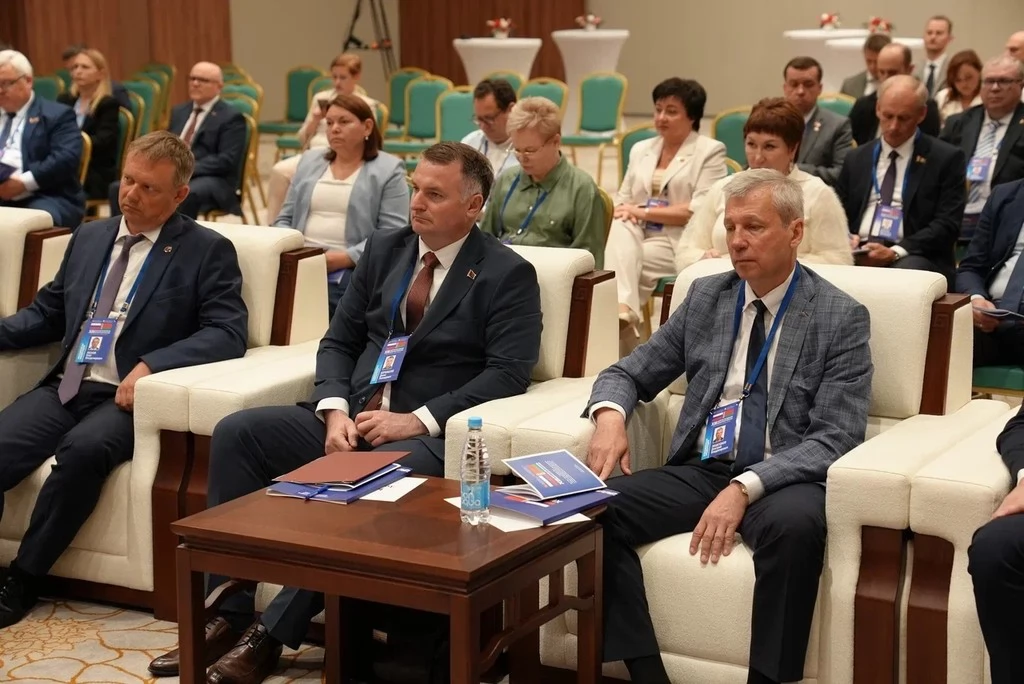
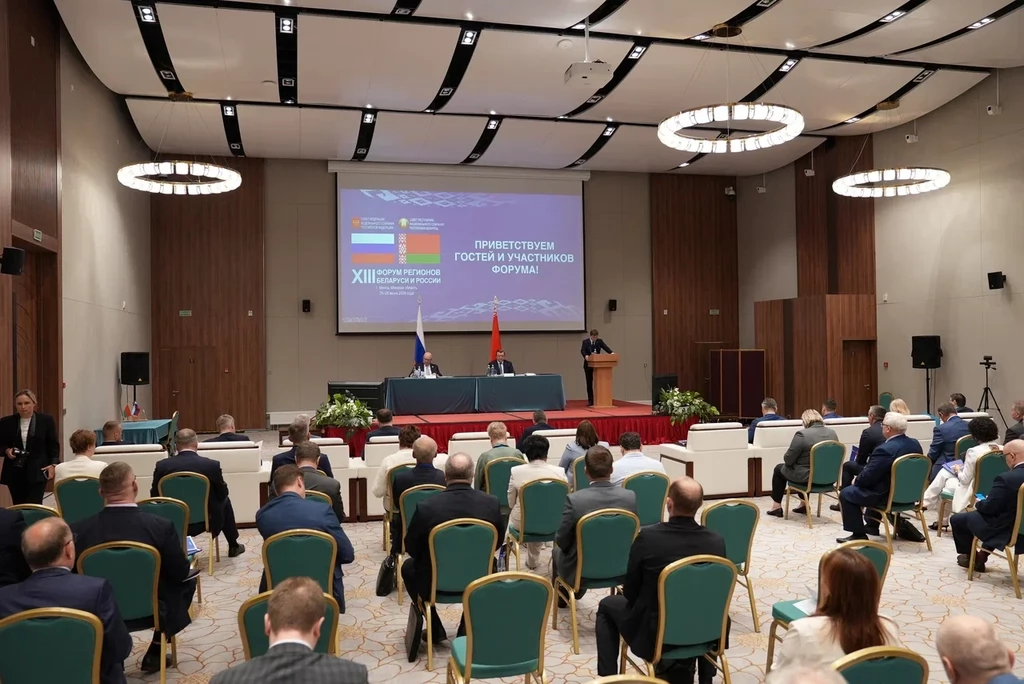
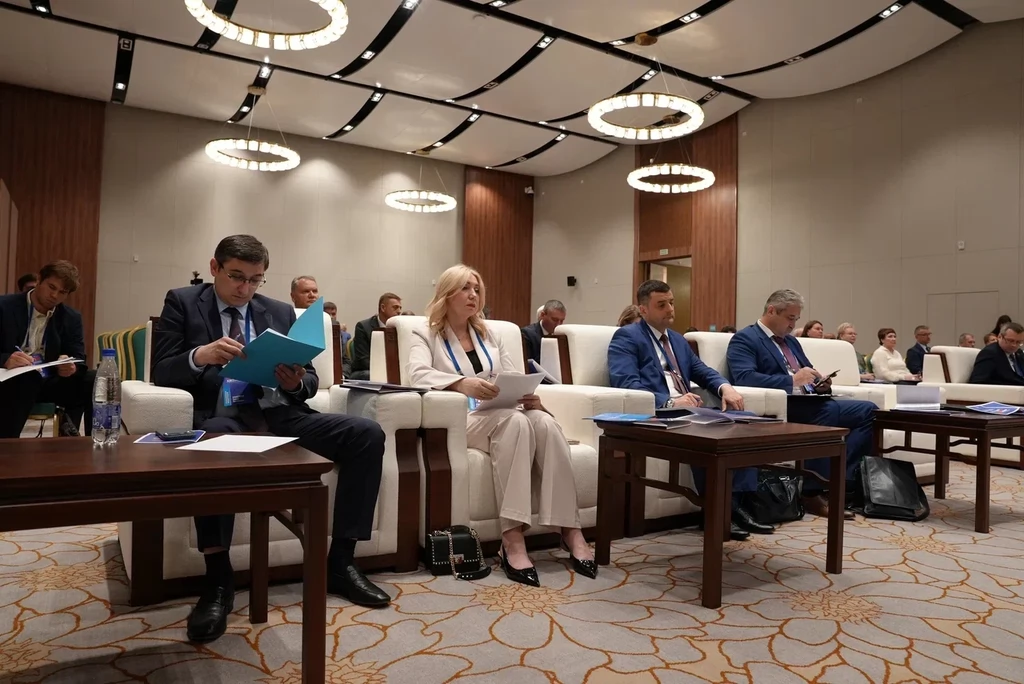
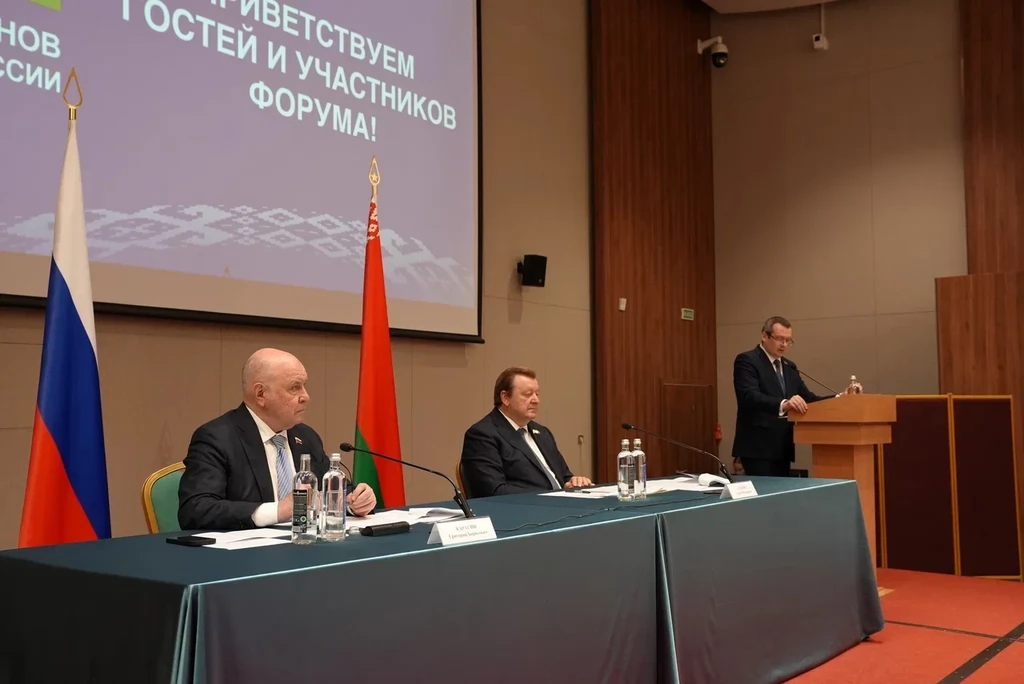
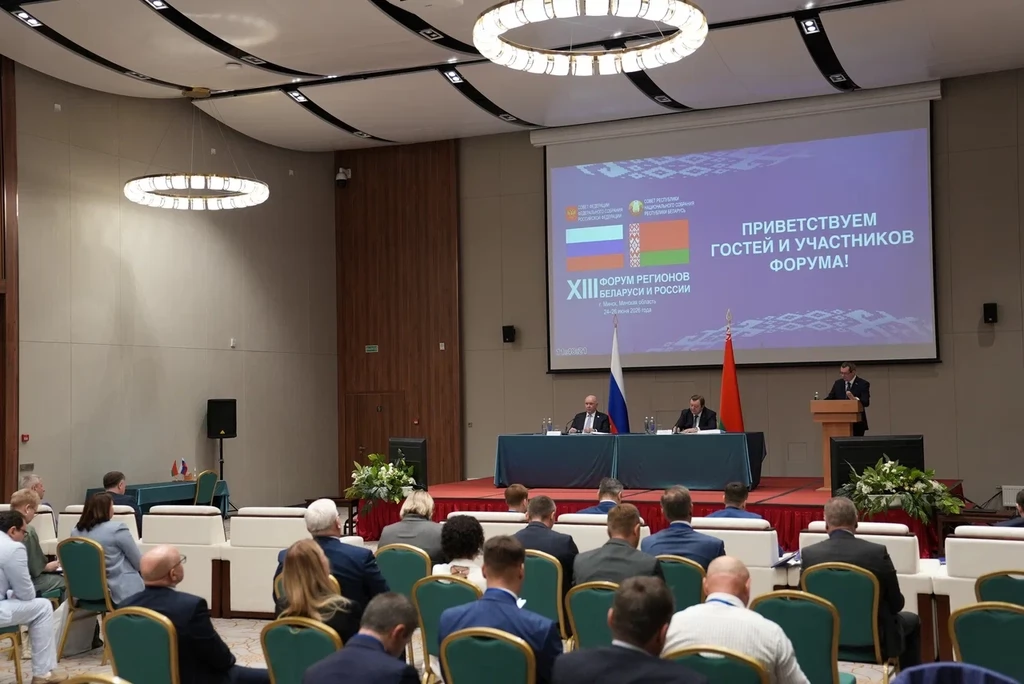
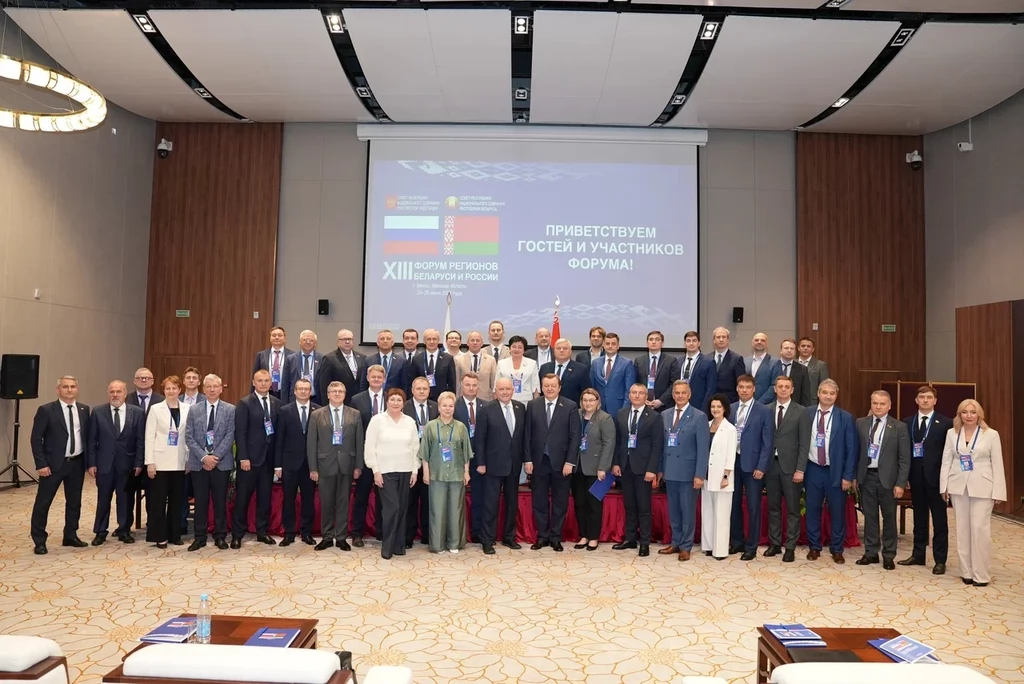
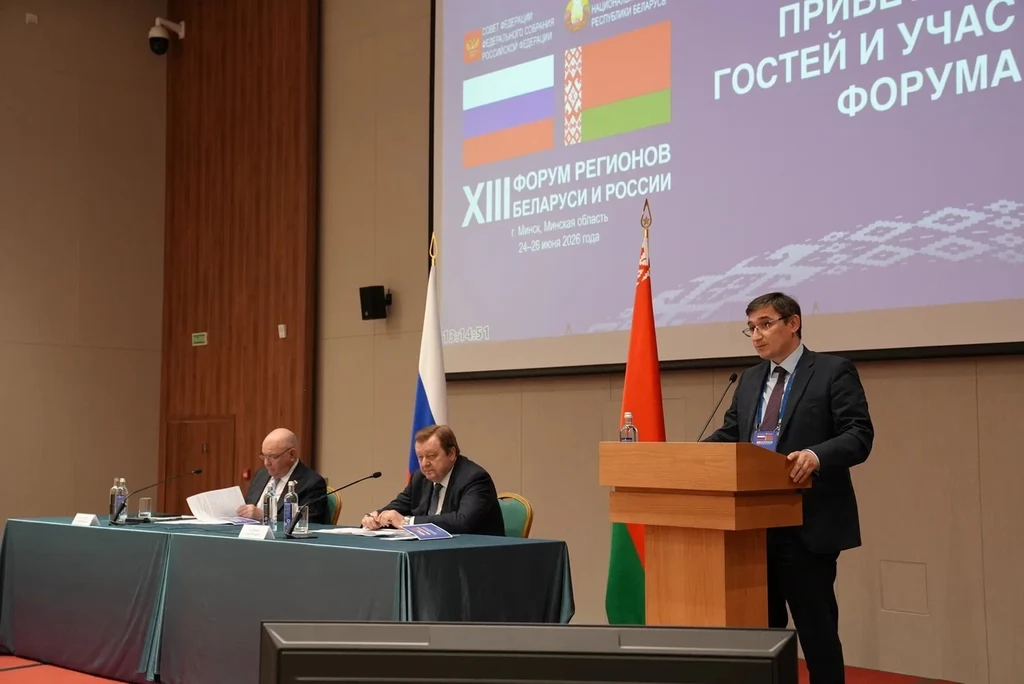
As part of the Forum, the Cooperation in Implementing Innovative Projects to Strengthen the Technological Sovereignty of the Union State session was held. The participants discussed current issues related to the joint implementation of innovative projects aimed at strengthening technological sovereignty and promoting economic development of the Union State.
Timur Mansurov, Head of the Scientific and Technological Cooperation and Innovation Division of the Department of Economic cooperation of the CIS Executive Committee, presented the report entitled “Scientific and Technological Cooperation Development within the CIS”.
Particular attention was devoted to the CIS Strategy for Scientific and Technological Development for 2026–2035 (in Russian) adopted on September 29, 2025. The Strategy is a comprehensive document defining the priorities, goals and cooperation mechanisms among CIS member states in science, technology, and innovations. Its principal goal is to consolidate the scientific and innovative potentials of the Commonwealth countries to achieve sustainable socio-economic growth, strengthen scientific and technological sovereignty, and ensure a high quality of life for their citizens.
The report highlighted the ongoing Interstate Programme of Innovative Cooperation among the CIS member states for the period until 2030. The Programme has a practical orientation and provides a transition from strategic planning to the implementation of specific projects.
Timur Mansurov noted that the CIS established a comprehensive institutional system of scientific and technological cooperation encompassing sectoral bodies, basic organizations, a developed innovative infrastructure, and an extensive legal and regulatory framework.