On May 20, 2026, a round table entitled “Deradicalization and Social Reintegration of Persons Involved in Illegal Activities of Terrorist and Extremist organizations: Opportunities and Prospects” took place in St. Petersburg.
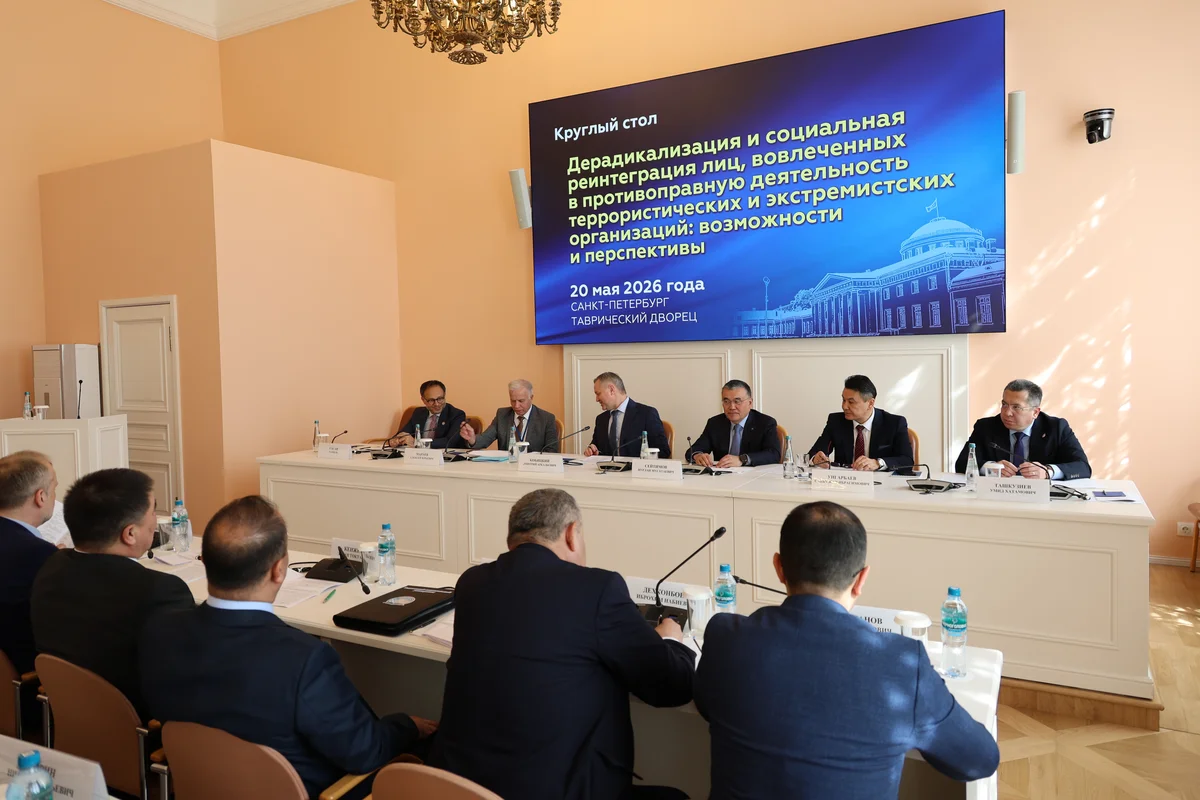
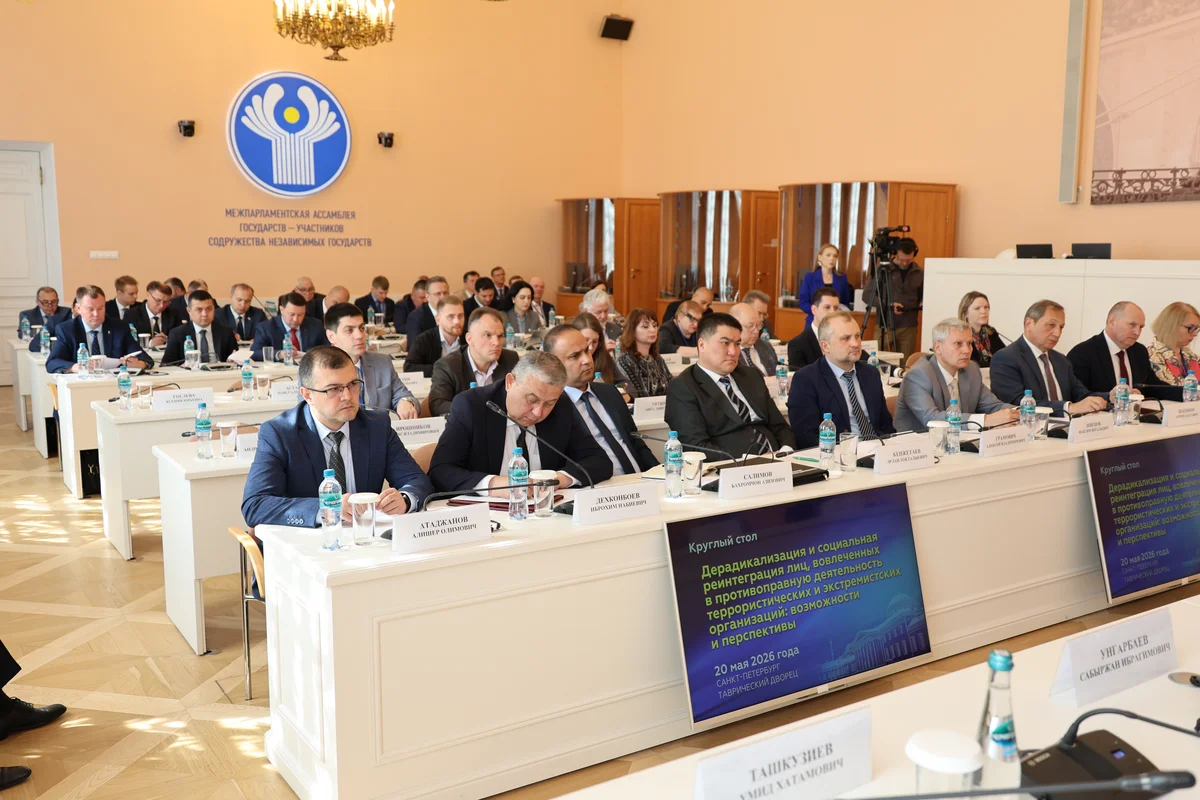
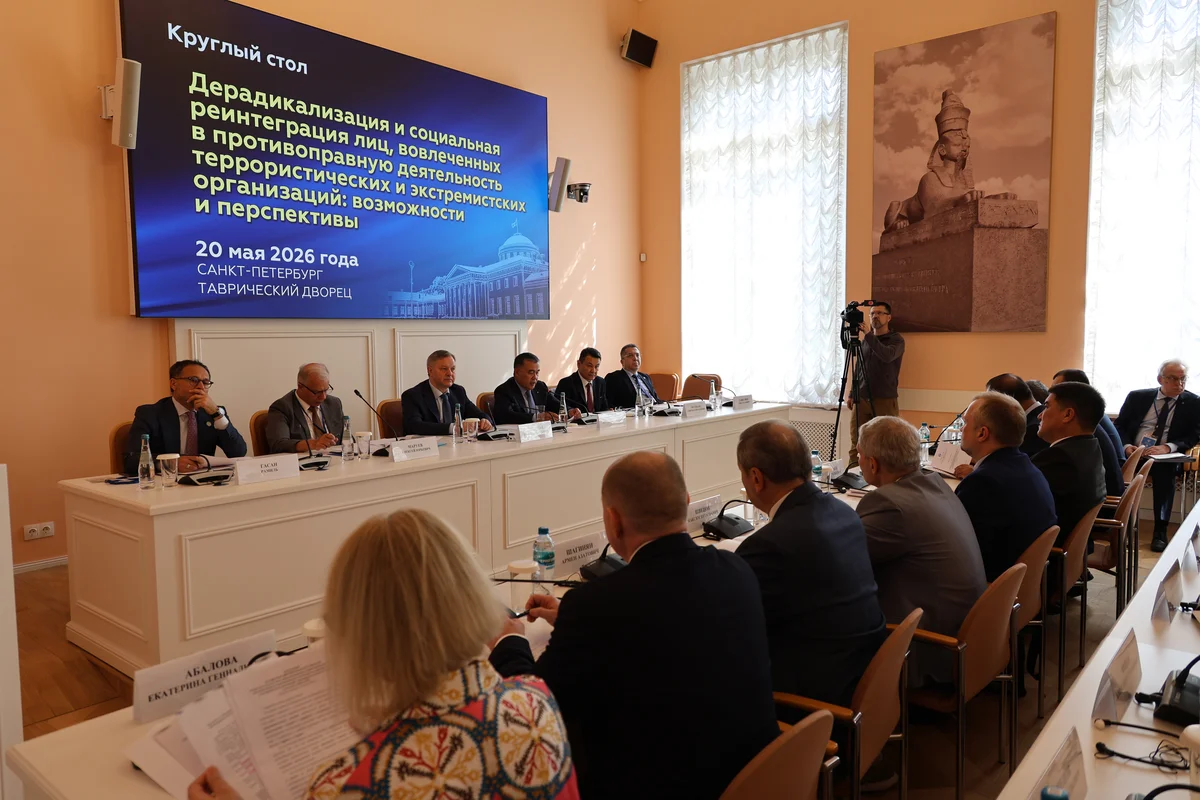
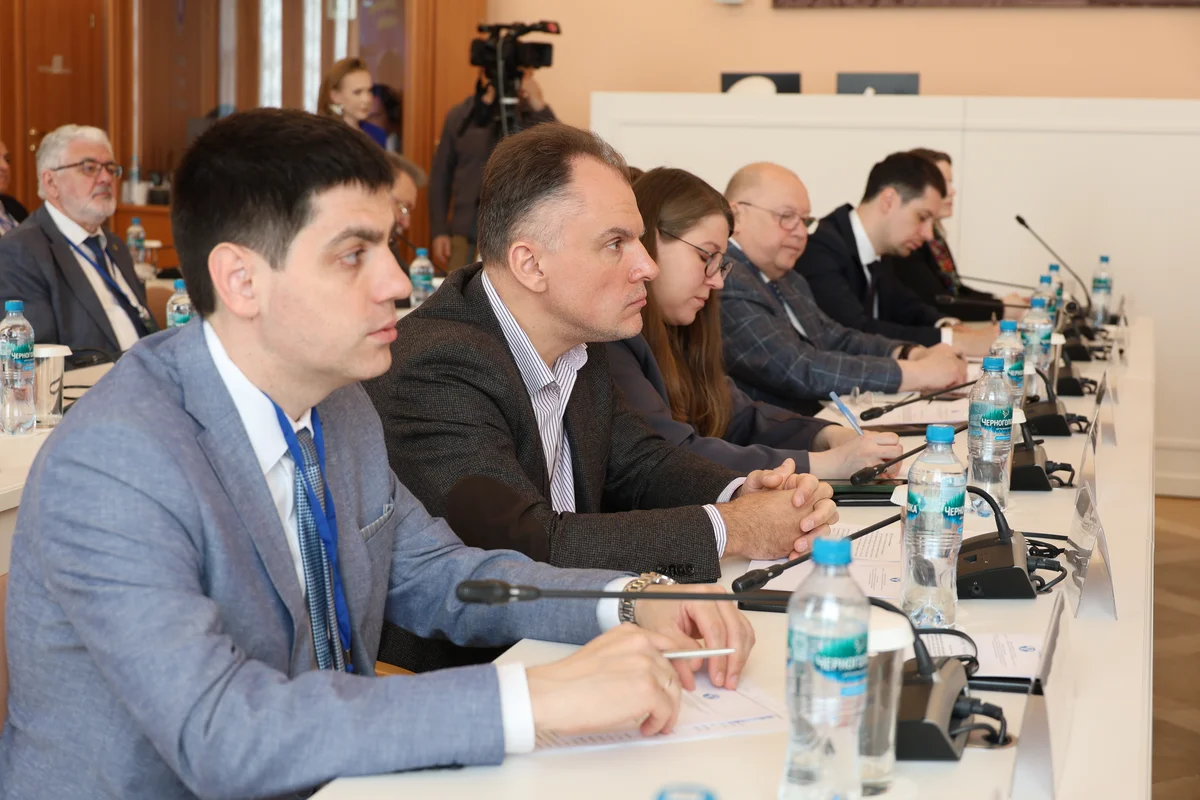
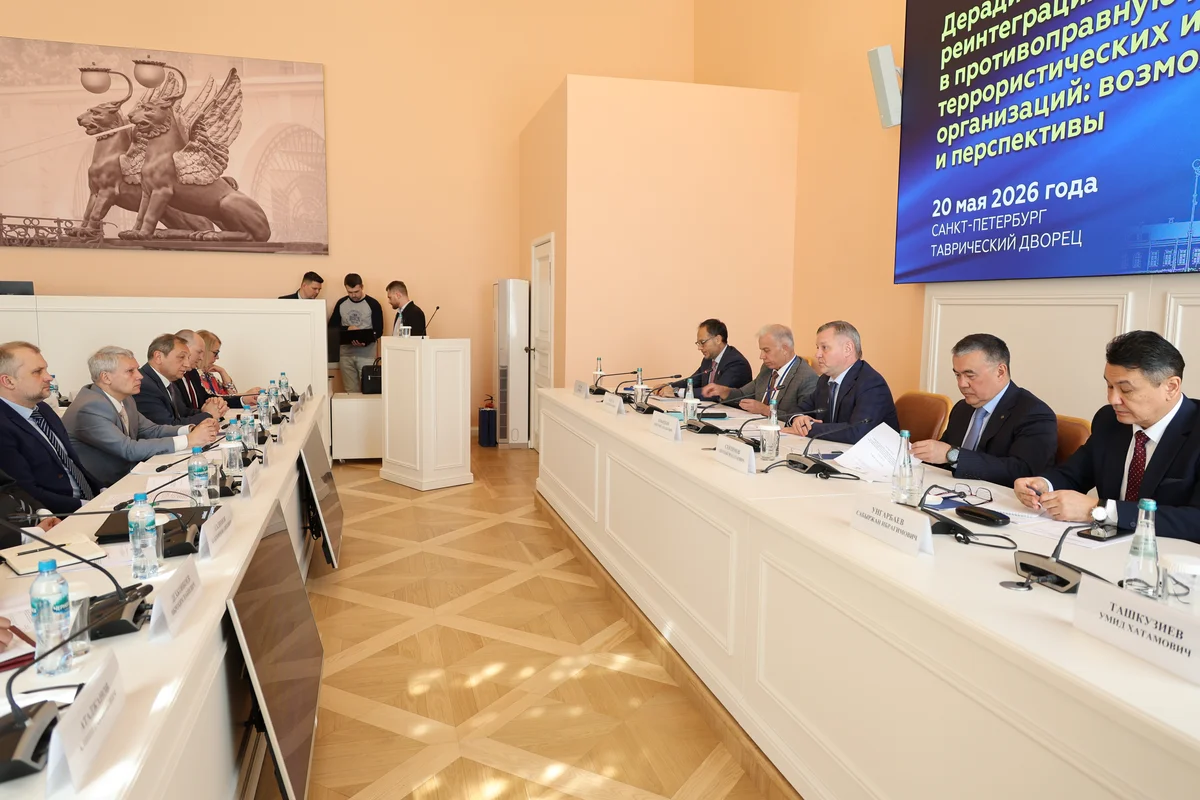
The round table was held as part of the spring session of the CIS Interparliamentary Assembly and was organized jointly with the Research Centre of the Federal Security Service of the Russian Federation – a CIS basic organization for research on counter-terrorism and other forms of extremism.
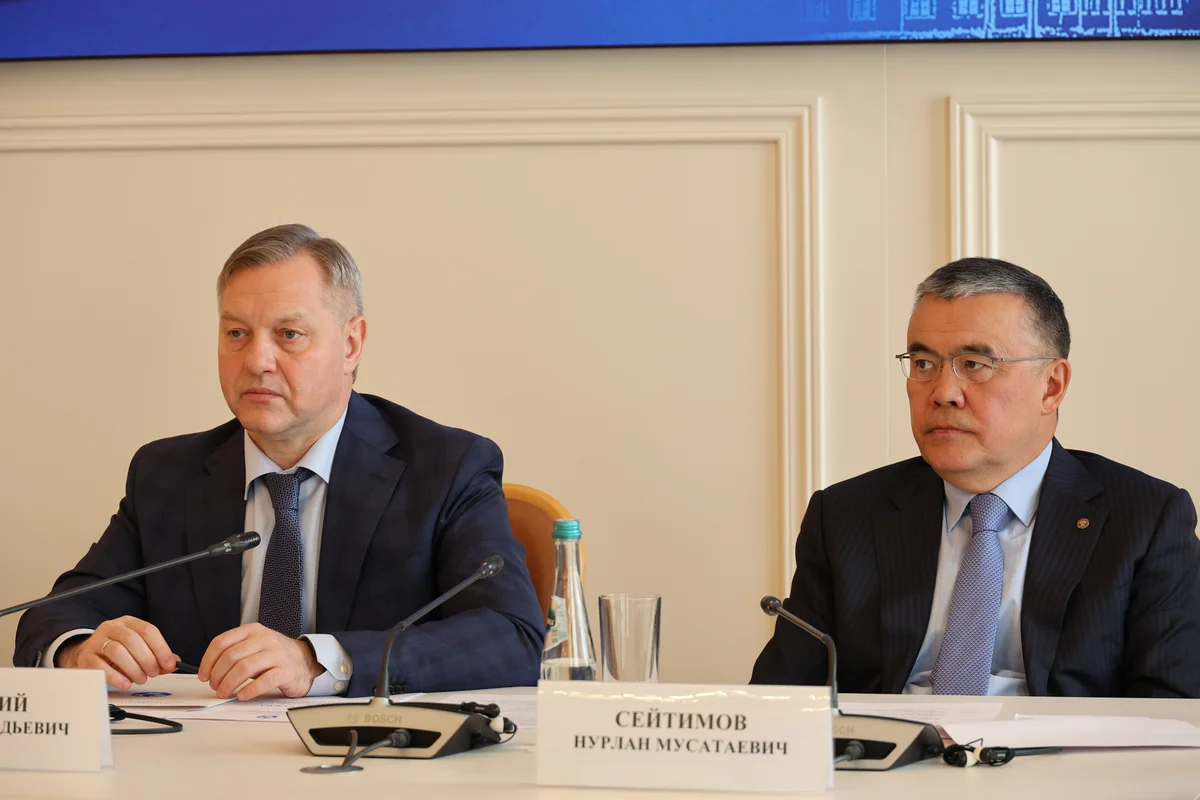
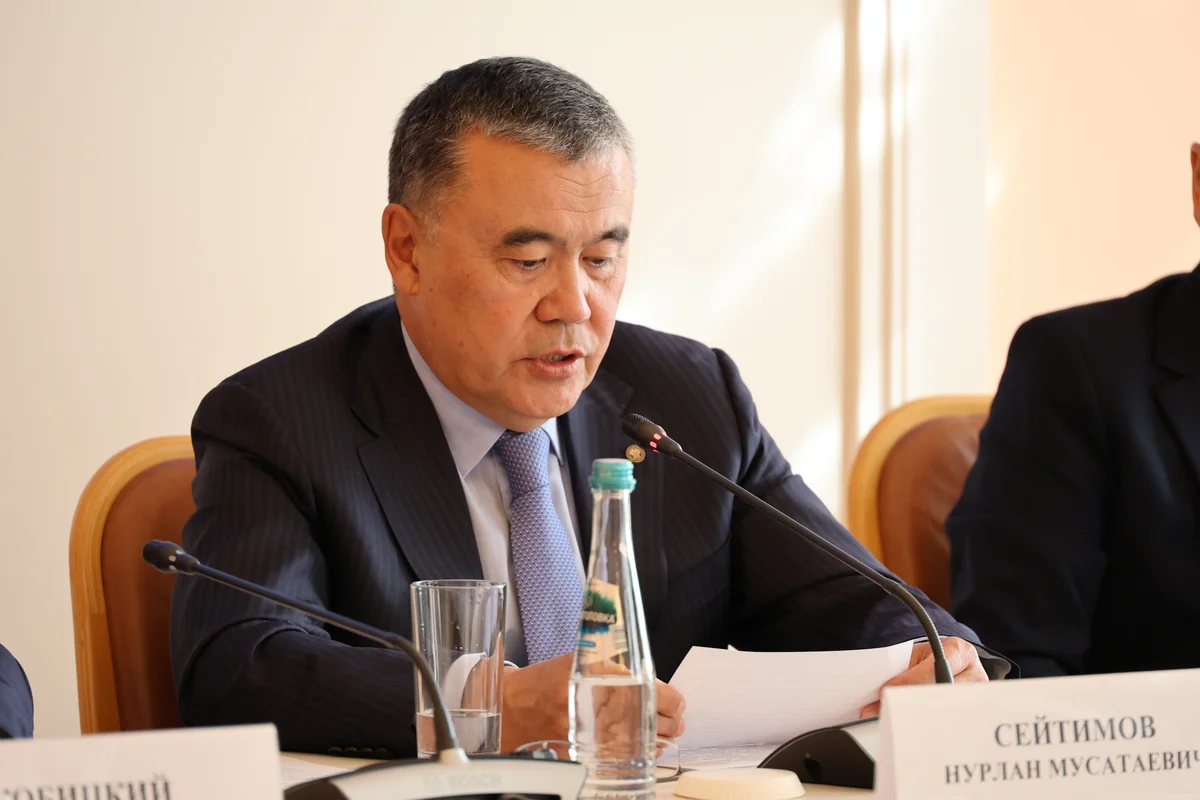
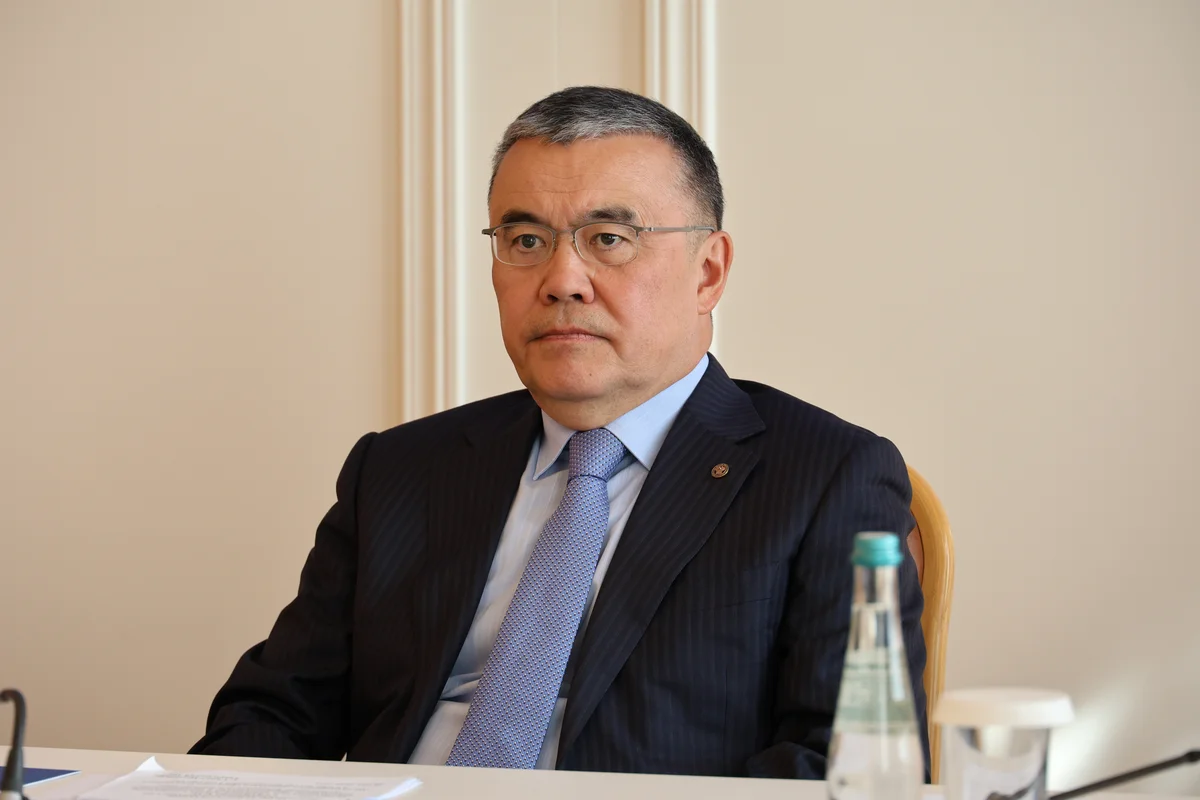
Nurlan Seitimov, CIS Deputy Secretary-General, took part in the round table. He delivered a report entitled “Integration processes in the field of Deradicalization in the Commonwealth of Independent States”.
In his address, Nurlan Seitimov said that since its creation, the Commonwealth has been combining individual efforts made by the CIS member states to counter radicalization; following the path of eradicating religious intolerance, xenophobia, aggressive nationalism, neo-Nazism, ethnic and racial discrimination – everything that contributes to instigation of terrorism and the implementation of terrorist intentions.
“In the CIS, cooperation in countering the spread of radical ideology is carried out on the basis of interstate program documents, with the Programme for Cooperation among CIS Member States in Deradicalization for 2025-2027 (in Russian) being paramount. The Program is aimed at analysing and generalizing the experience of our states in countering radicalization of individuals and society as a whole; at finding and eradicating the causes of radicalism through the development of an international legal framework, preventive mechanisms and human resources capacity. It is focused not just on tackling the consequences of radicalism, but on preventing the formation of radical views,” the Deputy Secretary-General stressed.
Nurlan Seitimov noted that the CIS Executive Committee summarized the results of the implementation of the Programme in 2025. These results highlight various legal, political, social and economic, cultural, religious, and other specifics of the CIS member states taking into consideration their national differences.
“The issue we are discussing today is an extremely complex and multifaceted process. We proceed from the understanding that its essence lies not only in the exchange of existing experience and practices, but also in the elaboration of unified mechanisms for interstate cooperation,” Nurlan Seitimov stated.
He elaborated on the work carried out in this context by the CIS bodies and organizations and underscored that the issue of deradicalization has been included in the agenda of the CIS dialogue with other international organizations. In particular, on September 3, 2025, in Beijing, the Secretaries-General of the CIS, the CSTO, and the SCO approved a Roadmap for the development of cooperation between “territorially and spiritually close” organizations for 2026-2028. The document envisages among other things hosting of joint events on the issue of deradicalization.