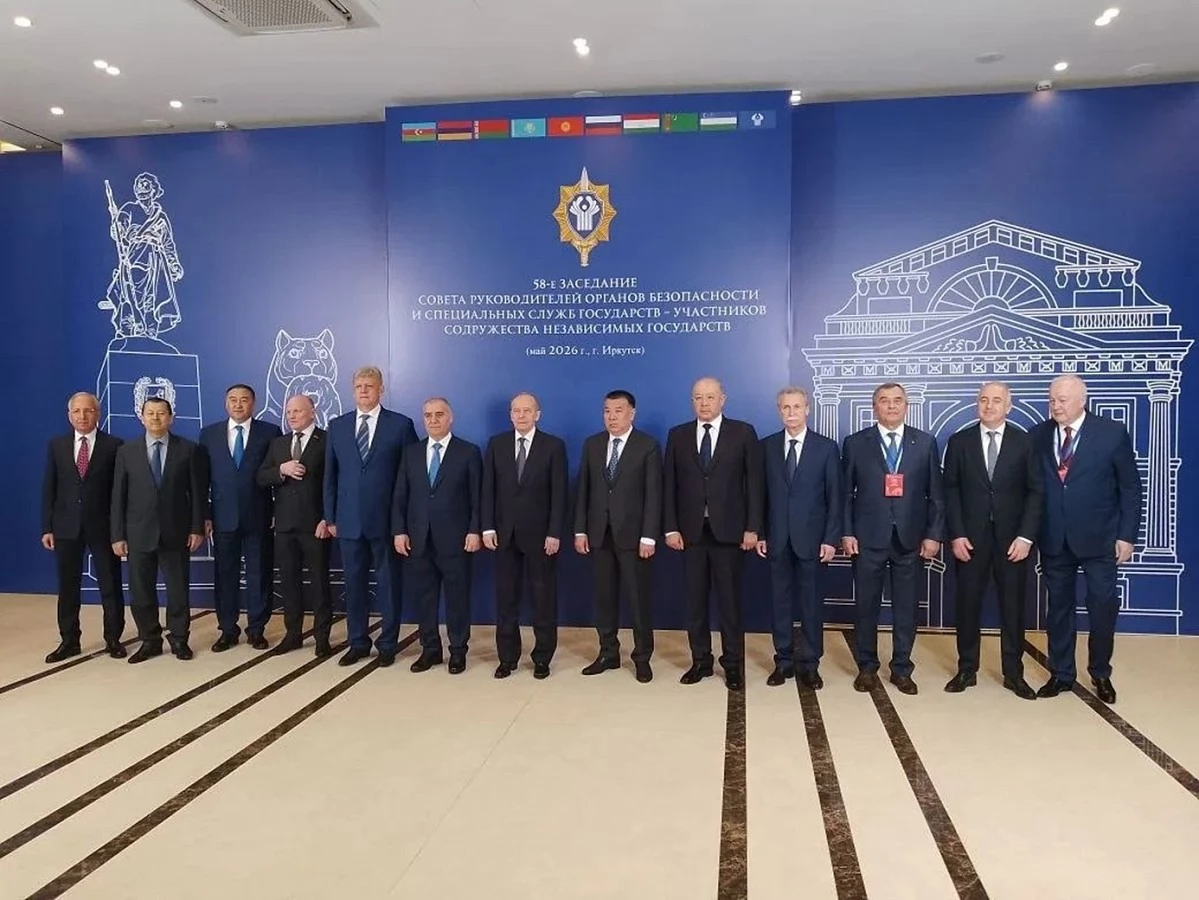
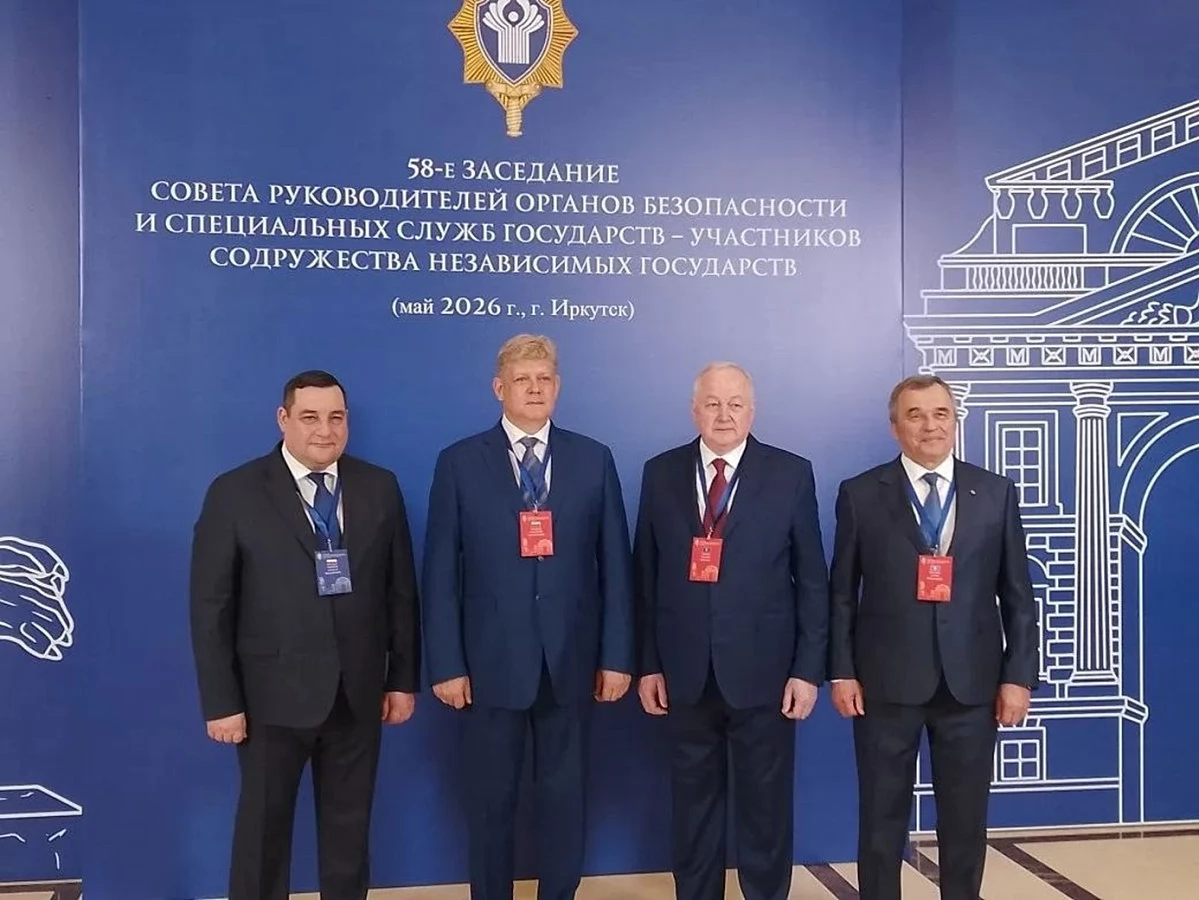
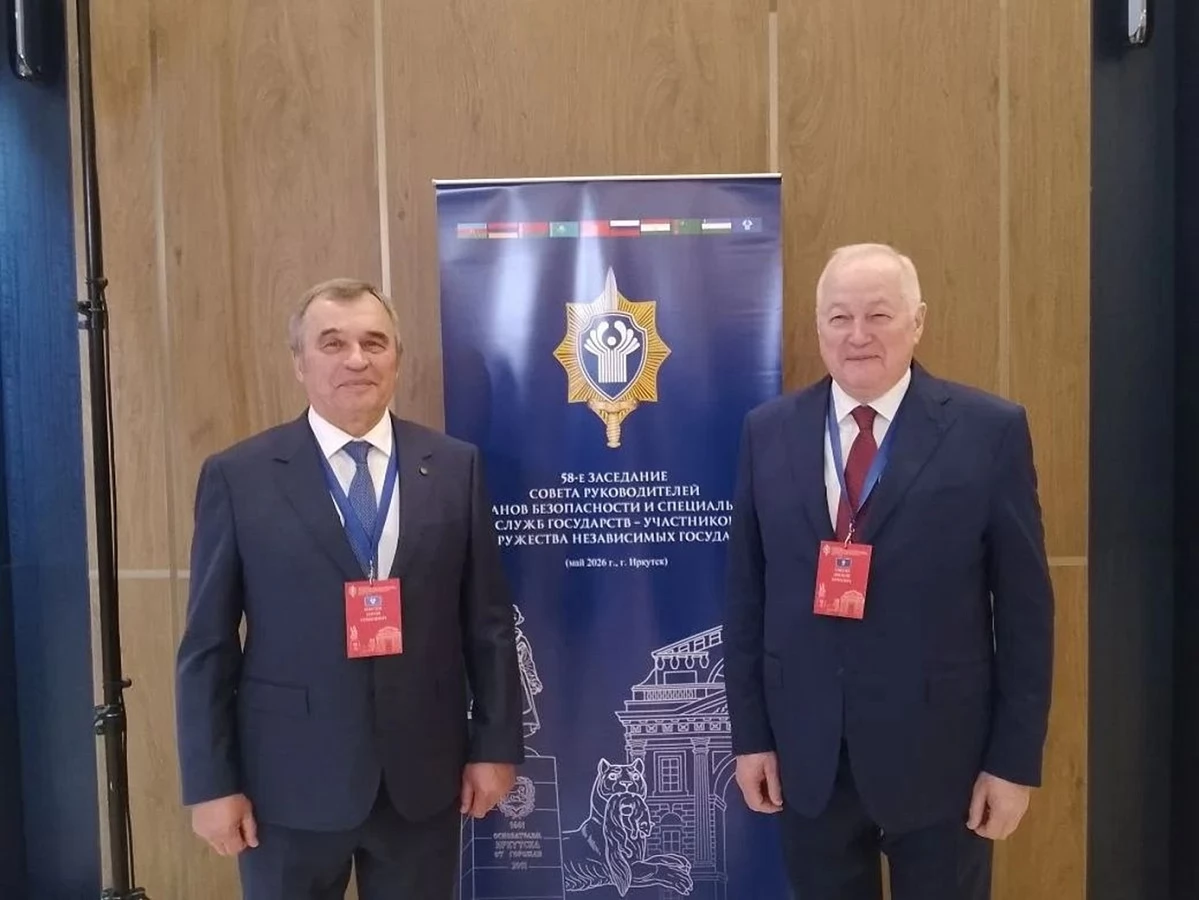
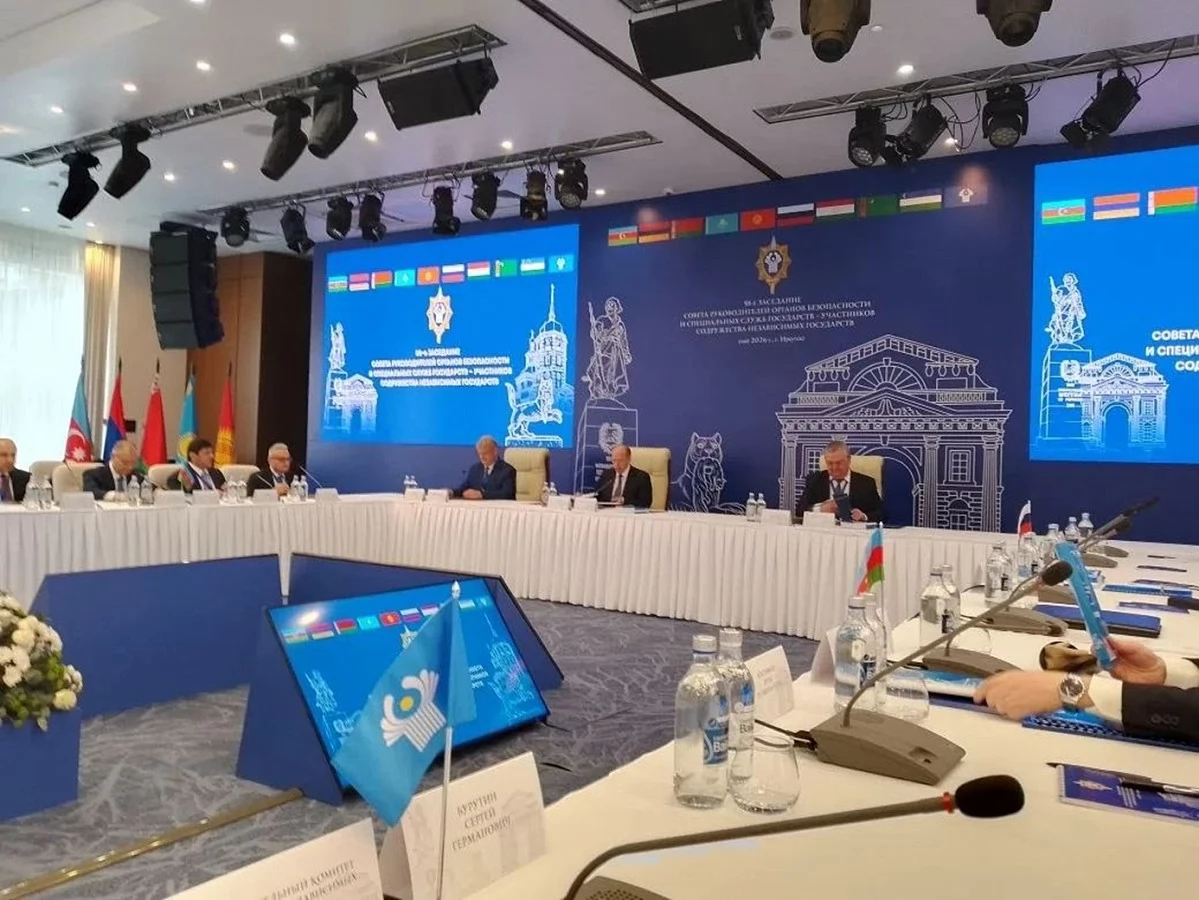
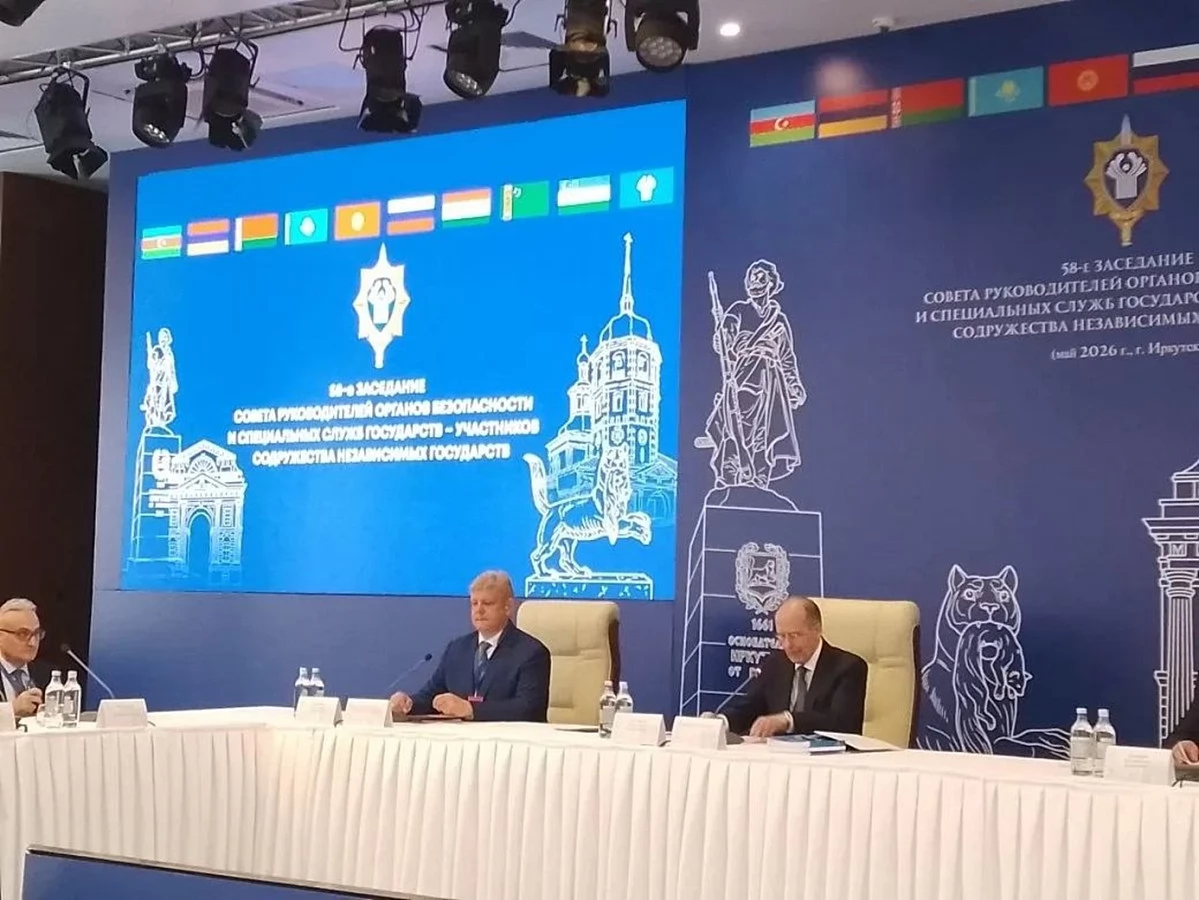
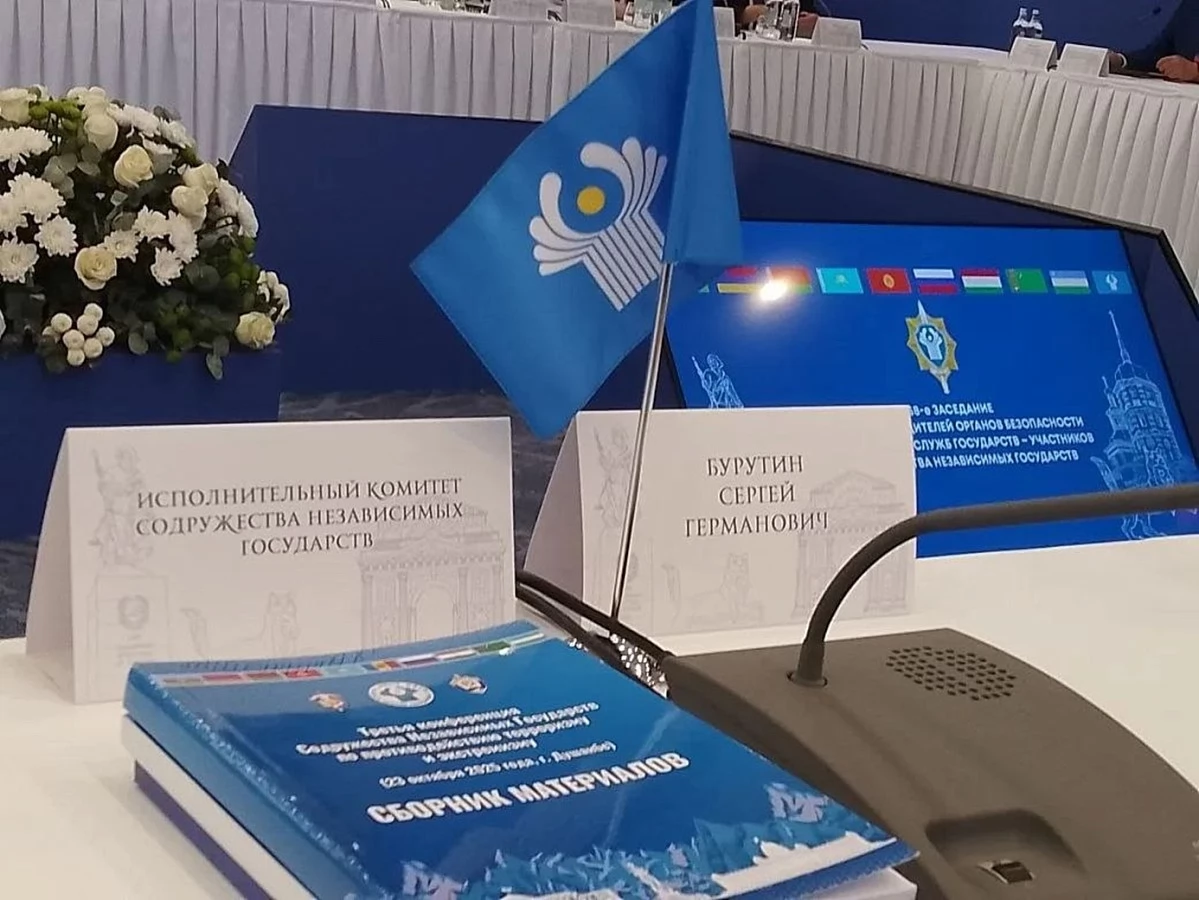
On May 26, 2026, the 58th meeting of the Council of Heads of Security Agencies and Special Services of the CIS Member States took place in Irkutsk. Representing the CIS Executive Committee at the meeting was Head of the CIS Secretary-General’s Office Sergey Burutin.
In his address he said:
“Over the past 35 years, the CIS has established a solid legal framework and necessary mechanisms for cooperation across the entire spectrum of issues: from politics and security to economics, culture and humanitarian ties. It is no coincidence that the CIS is often called an "integration laboratory": it is here that many formats are tested which are later developed in other associations with a more in-depth type of cooperation.
Countering contemporary challenges and threats has been and remains a crucial aspect of joint activity among the Commonwealth member states. Efforts of competent agencies and structures within the CIS are focused on the key areas of combating international terrorism and transnational crime, ensuring military, border and information security, and protecting the constitutional order.
The Council plays a central role in this work. The high effectiveness of its work is achieved through a well-balanced function of the Council’s working bodies and streamlined interaction among national special services.”
Sergey Burutin noted that “in response to rising international tensions and the expanding geography of terrorist threats, the CIS Heads of State Council meeting on October 10, 2025 approved an updated Cooperation Program for 2026–2028 (in Russian). The document combines innovation and continuity: it establishes new forms of coordination and engagement between international organizations and the civil society, while maintaining effective, time-tested collaboration tools.”
The Head of the CIS Secretary-General’s Office emphasized that “in the context of global geopolitical instability, it seems particularly important to enhance cooperation between the CIS and like-minded, territorially adjacent integration associations such as the EAEU, CSTO, SCO, and BRICS. In this regard, the role of the Council of Heads of Security Agencies and Special Services is also quite notable and significant. <…>
The implementation of these principles is carried out progressively – through the organization and conduct of annual Counter-Terrorism Forums. These events have become an effective platform for exchanging experience, identifying current challenges and developing joint solutions. The outcome of each forum and promising directions for further work are systematically summarized and incorporated into the agenda of subsequent Council meetings, including the current one.”