The 2nd International Congress of Respiratory Health Specialists “Respiratory Medicine in the CIS Countries: Focusing on Socially Significant Infections” became a landmark event of 2026, declared the Year of Health Protection in the Commonwealth.
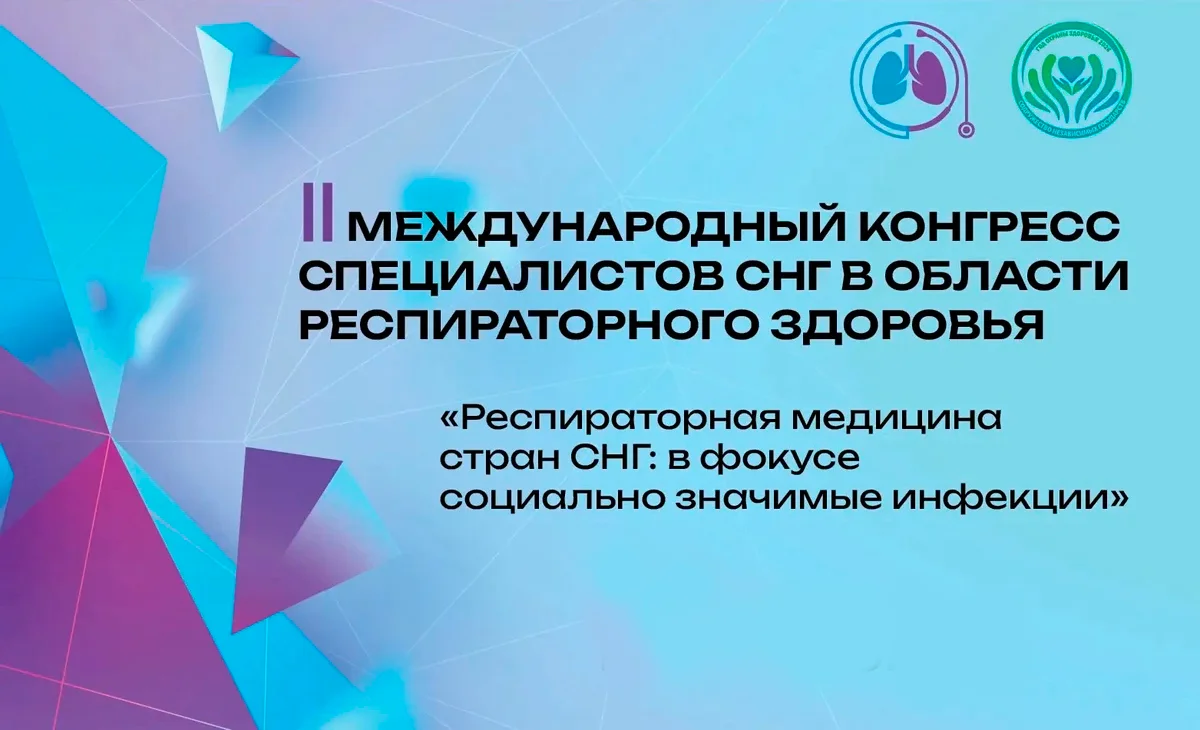


The event, held in Moscow from June 3 to 5, 2026, brought together heads of healthcare authorities, leading scientists, phthisiologists, pulmonologists and thoracic surgeons.
The Congress was organized by the Russian National Medical Research Center for Phthisiopulmonology and Infectious Diseases with the support of the Ministry of Health of the Russian Federation and the CIS Executive Committee.
The central theme of the plenary session was the discussion on the role of international cooperation in combating socially significant infections across the Commonwealth space.
CIS Secretary General Sergey Lebedev sent a greeting to the Congress participants.
In his address, Sergey Lebedev particularly noted the importance of integrating the healthcare systems of the Commonwealth countries, which is especially relevant during the current thematic year.
Russian Health Minister Mikhail Murashko in his welcoming speech emphasized that over the past 10 years, the CIS countries have achieved tremendous success in treating tuberculosis, HIV infection and hepatitis C, but today the medical community needs to consolidate efforts in the face of new global challenges.
WHO Regional Director for Europe Hans Kluge also called for joint action, stating that elimination of socially significant respiratory infections is impossible only through the efforts of a single state and requires the pooling of resources from all countries.
Practical confirmation of the effectiveness of such partnership came from the successes already achieved by the Commonwealth states in reducing the burden of multidrug-resistant tuberculosis and integrating treatment programs at the national level.
In particular, the congress participants noted Russia’s technological leadership in developing innovative booster vaccines against tuberculosis, aimed at the adult population and safe immune stimulation.
At the same time Kazakhstan demonstrated valuable practical experience by successfully integrating its phthisiology service with primary healthcare for early detection of infections and transitioning to new shortened treatment regimens for drug-resistant tuberculosis.
Belarusian experience in rational antibiotic therapy and overcoming antimicrobial resistance was also recognized as highly important for regional knowledge exchange.
In addition, detailed examination of advanced medical practices continued during specialized discussions. Over two days, across seven Congress platforms, scientists identified key vectors for the development of respiratory medicine in the CIS. Scientific reports focused on personalized treatment protocols, digital transformation and the search for optimal solutions in the most complex clinical cases.
A practical development of this agenda was the meeting of the CIS Working Group on Tuberculosis, where experts focused on specific mechanisms of interstate control, as well as the use of artificial intelligence in the diagnosis and treatment of this infection.
It was this combination of global strategy and practical sessions that ensured the high significance of the past Congress. The event not only enabled the transfer of advanced knowledge and the latest clinical recommendations but also created a unique space for live dialogue between scientists, practicing physicians and international experts, laying the foundation for further strengthening the health of the CIS countries population.