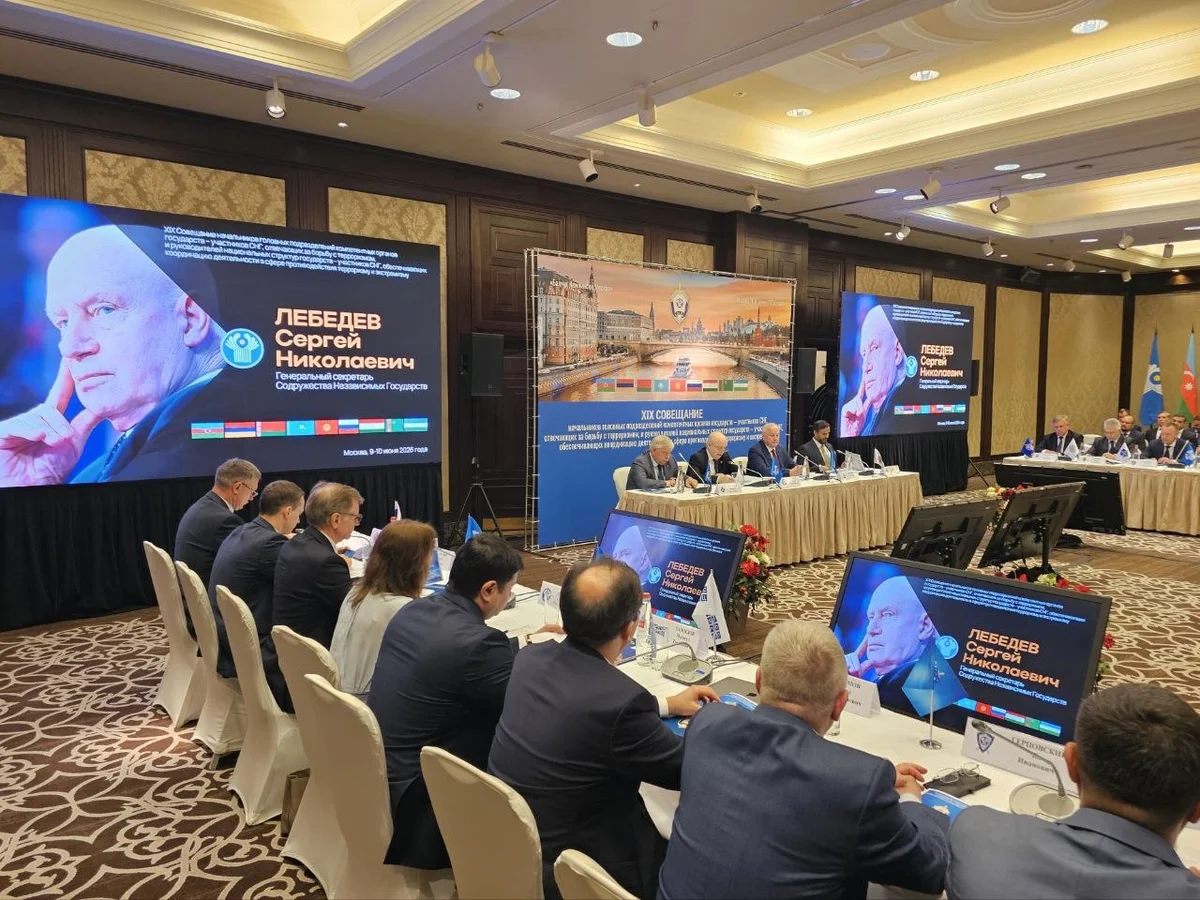
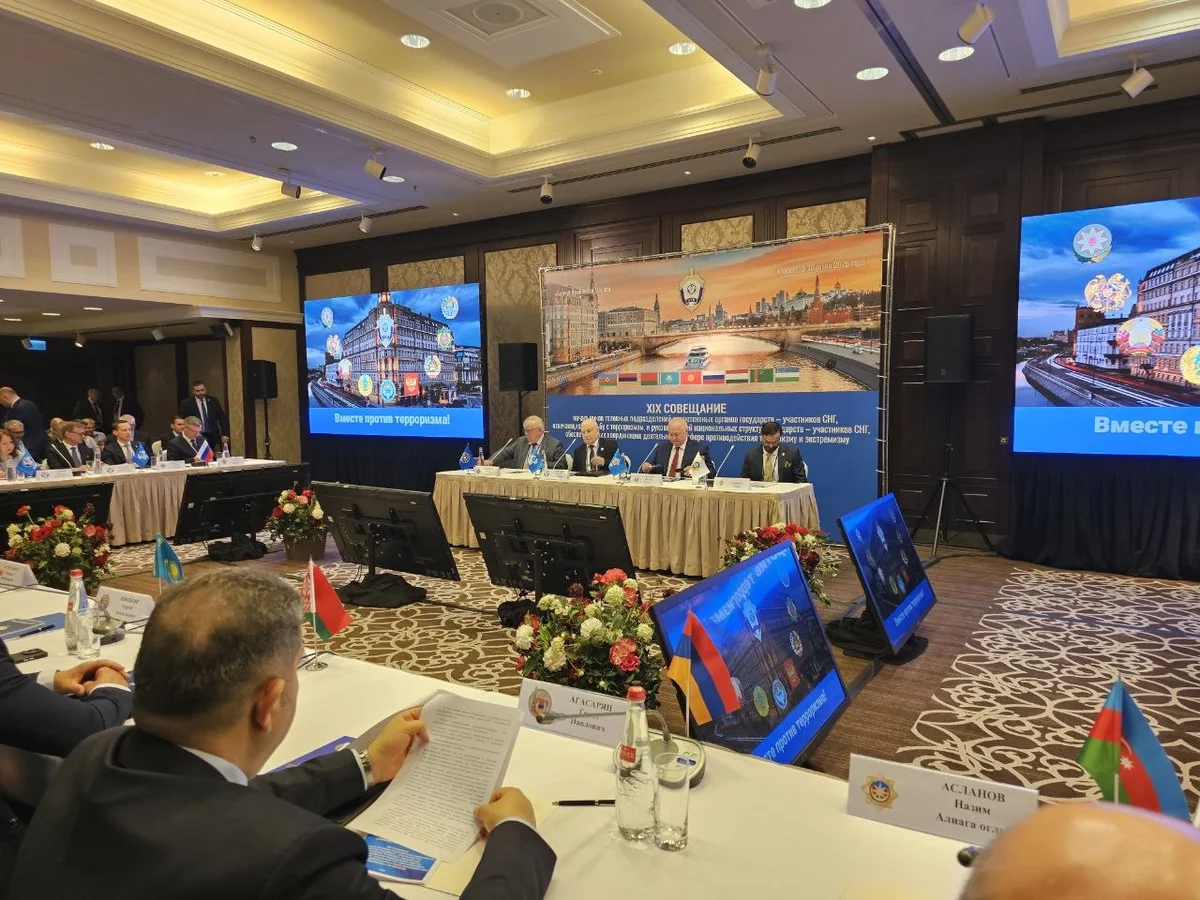
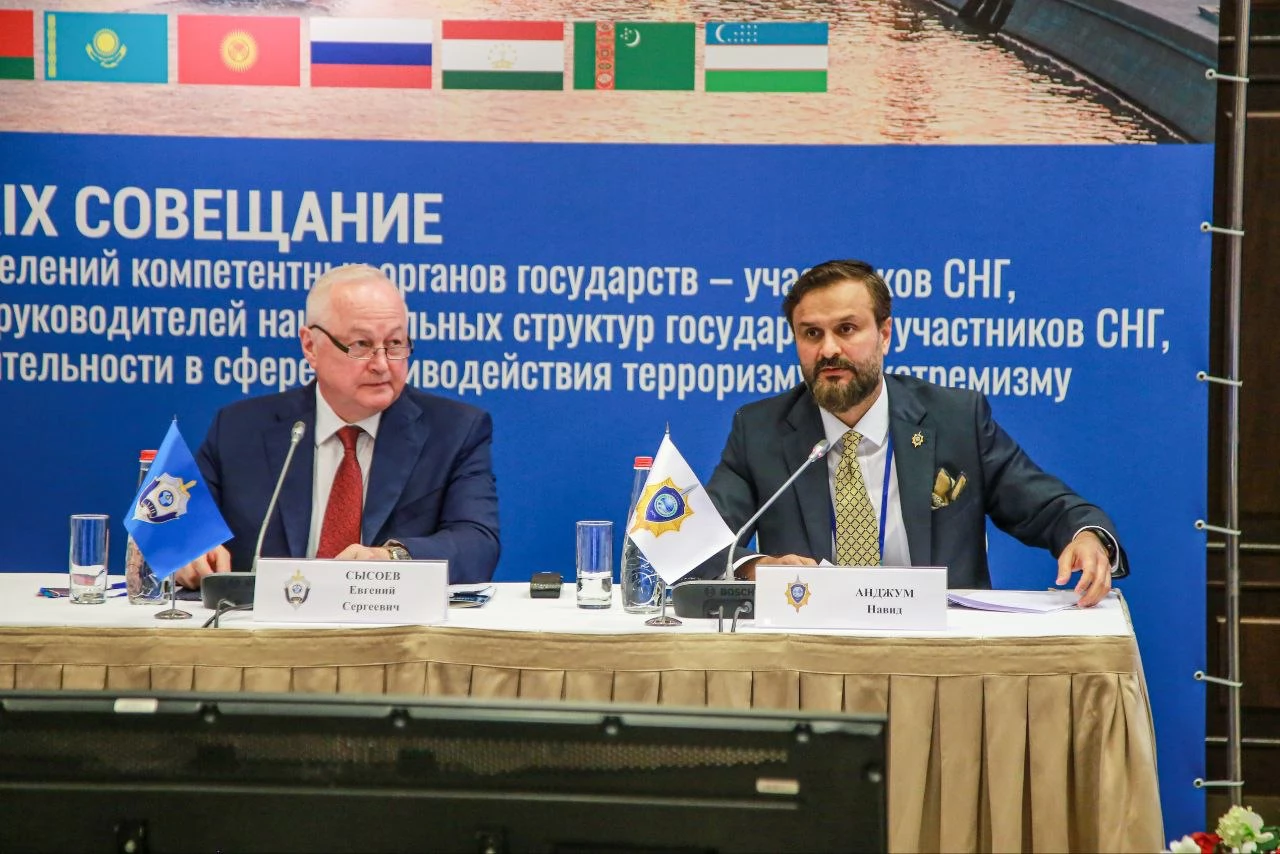
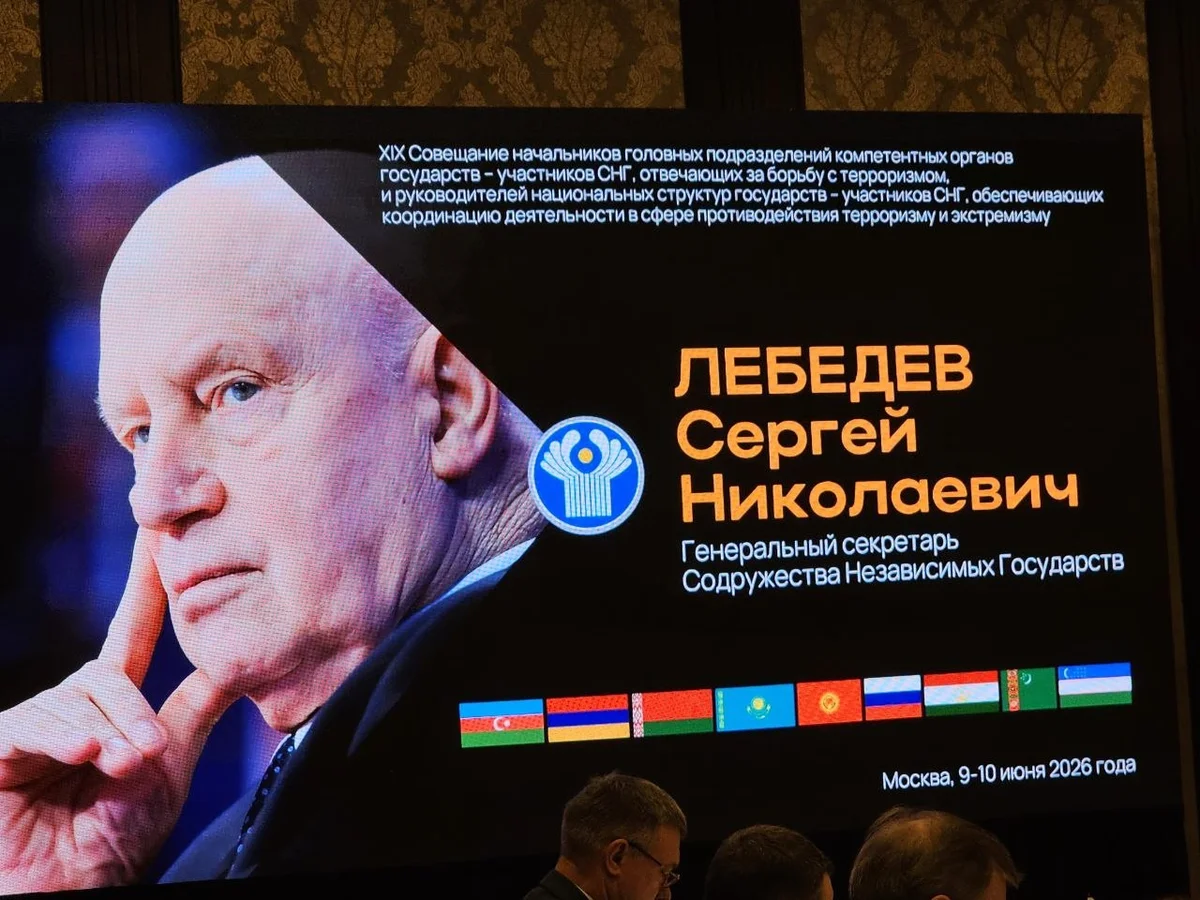
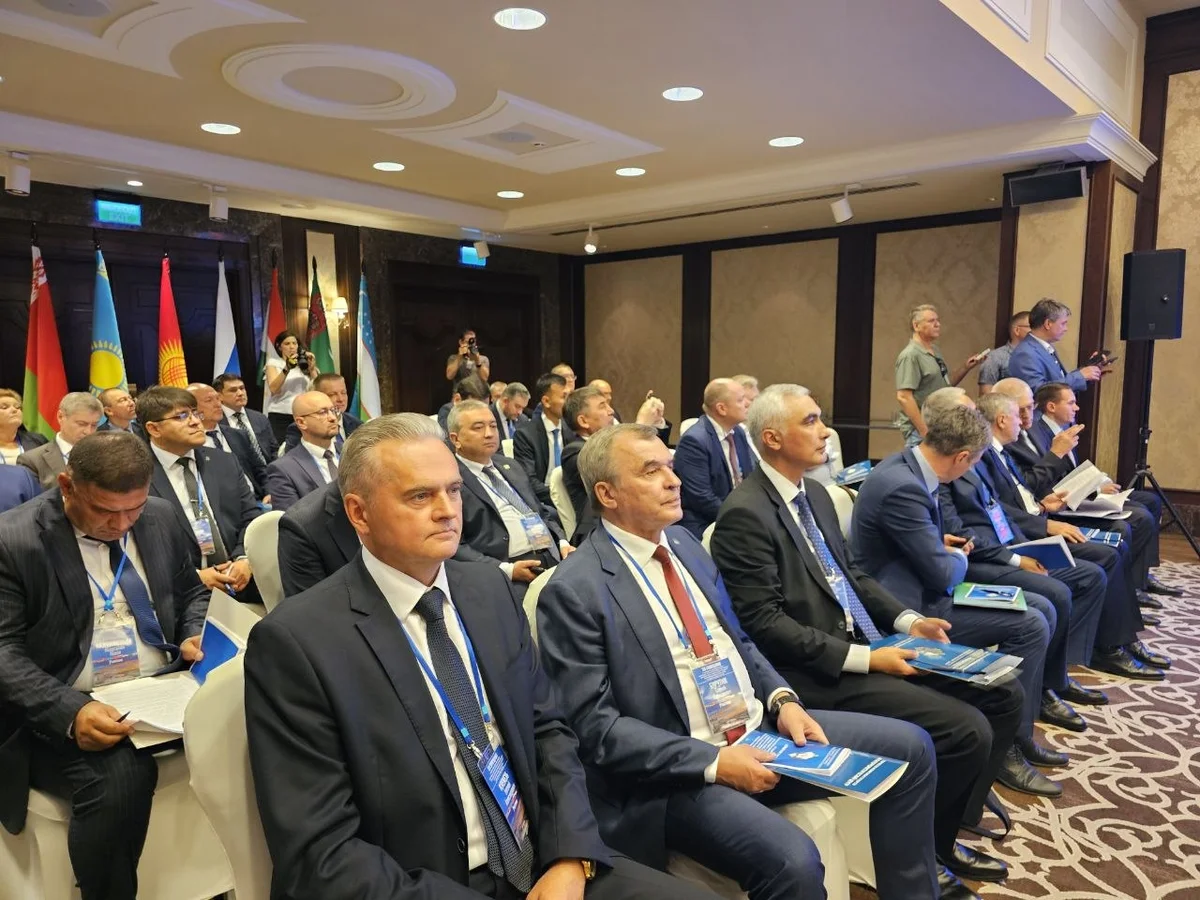
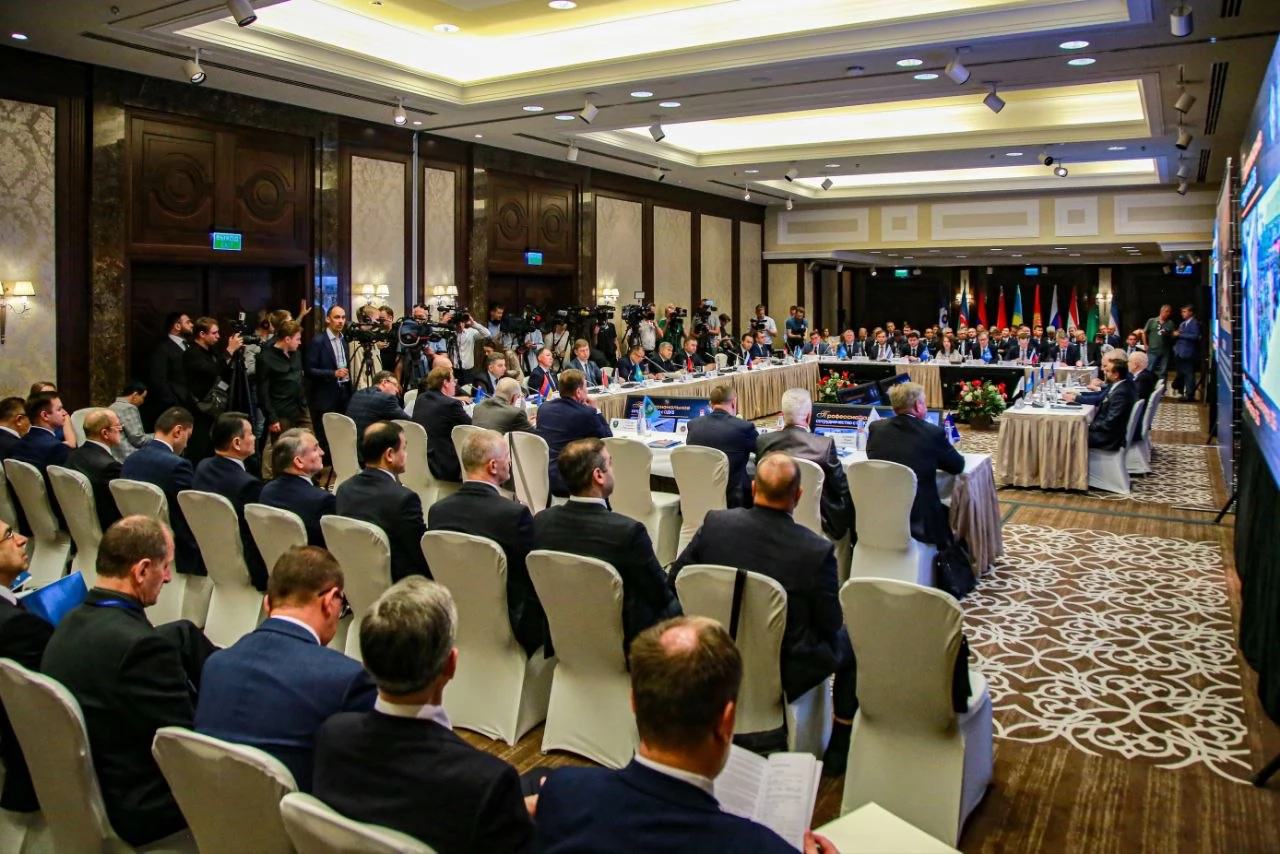
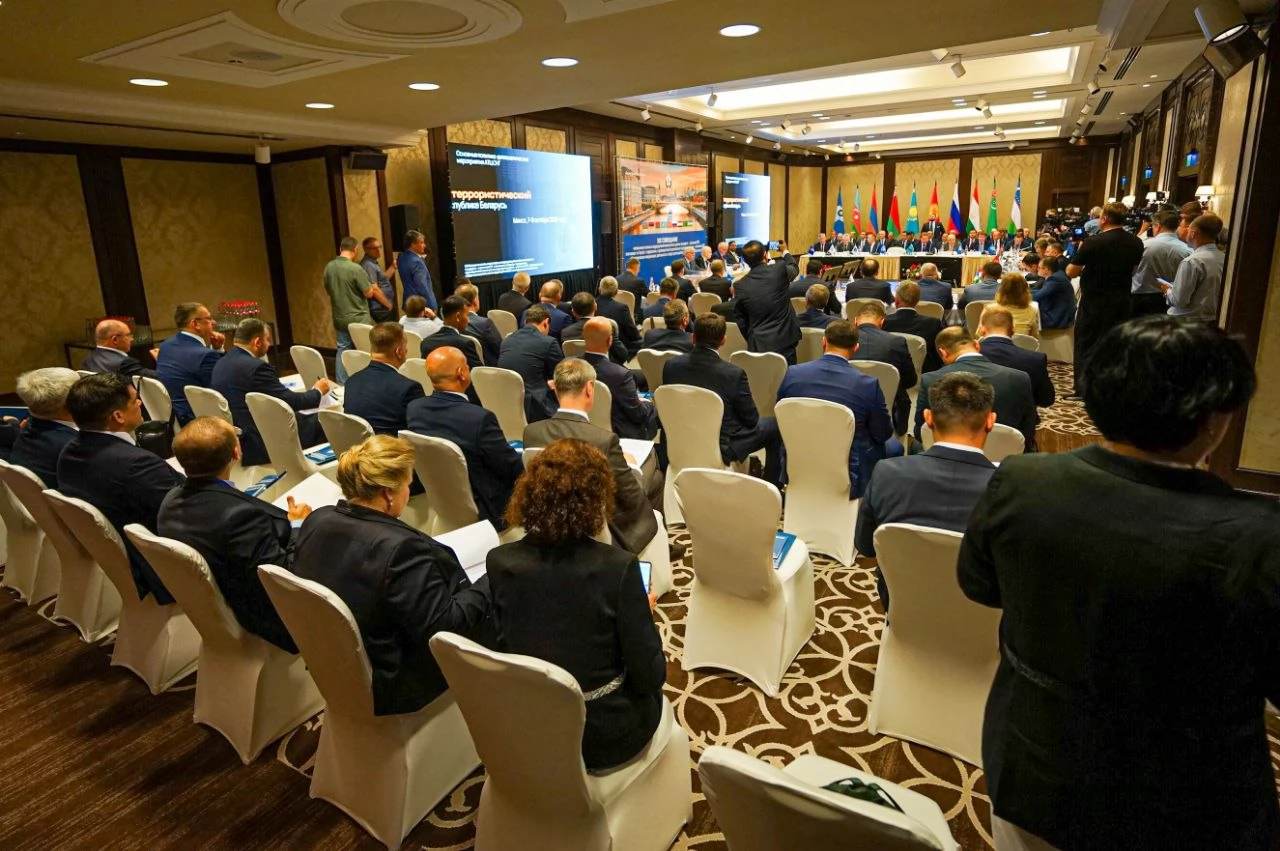
On June 9, 2026, the 19th Meeting of Heads of the Counter-Terrorism Head Units of Competent Authorities of the CIS Member States and Heads of National Agencies Responsible for Coordinating Counter-Terrorism and Counter-Extremism Efforts took place in Moscow. CIS Secretary-General Sergey Lebedev addressed the meeting and welcomed the participants on behalf of the CIS Execute Committee.
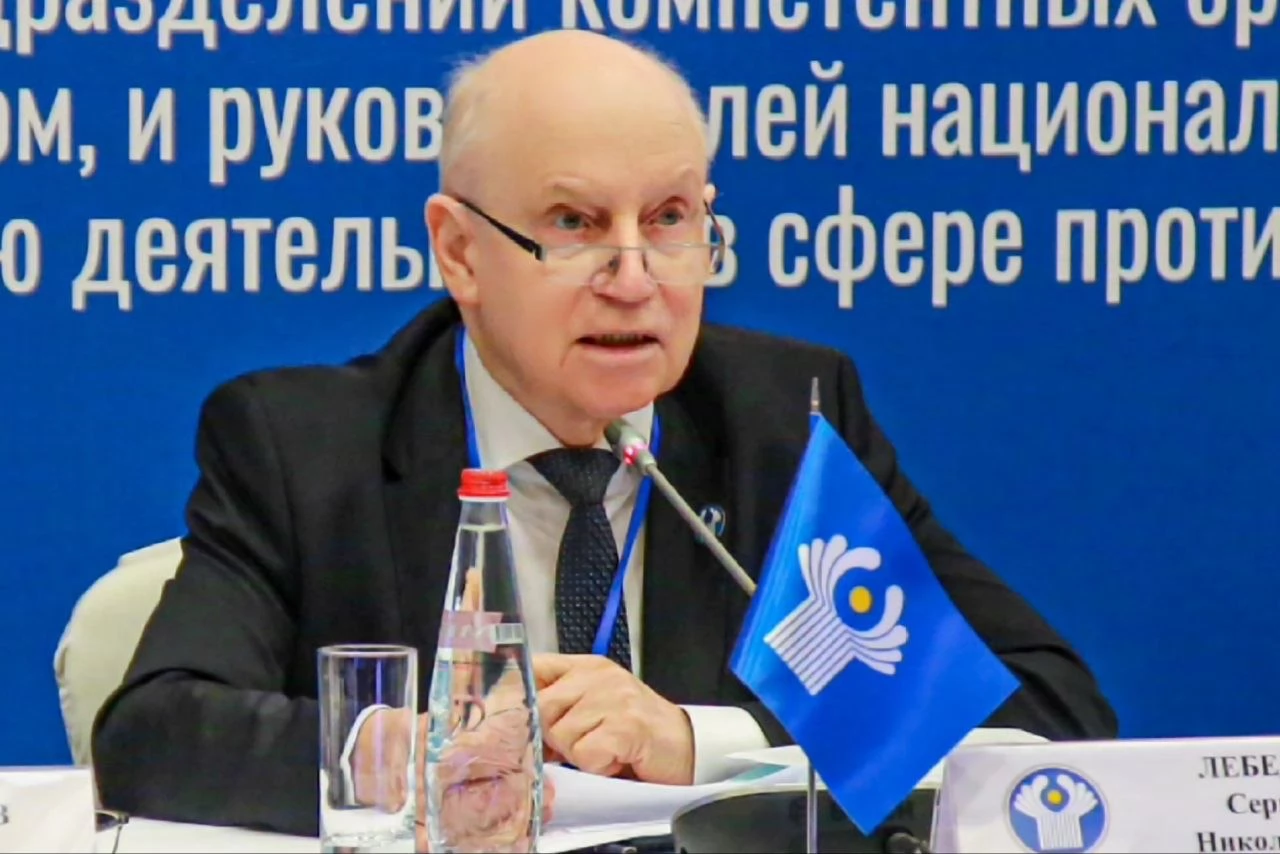
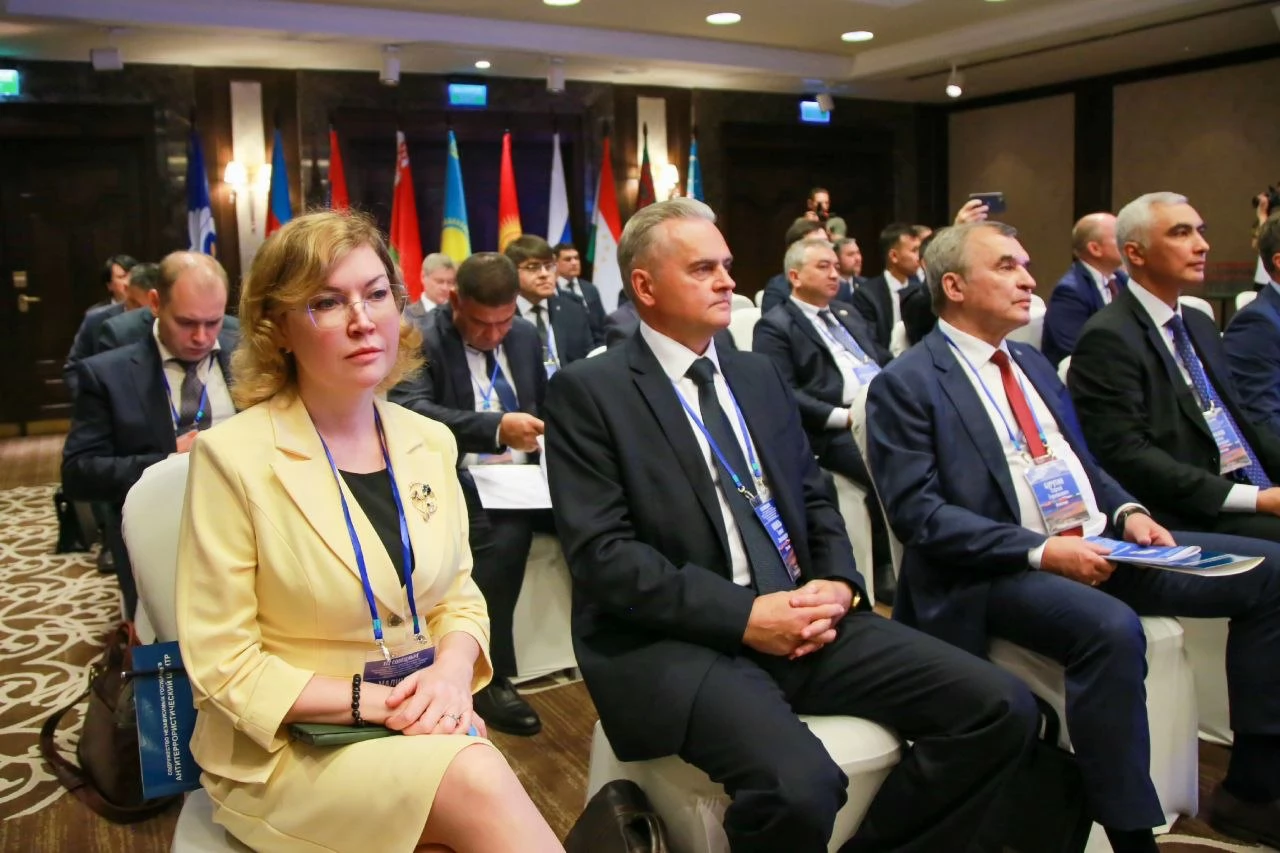
“It is gratifying to note that the forum, which today brings together all counter-terrorism forces, has not become confined to formal frameworks. It is dynamically developing, keeping pace with the time and acutely responding to changes in the nature of modern threats.
Today we are facing challenges of a fundamentally new nature:
- cyberterrorism and hybrid threats targeting critical infrastructure;
- ideological expansion and radicalization in the digital environment;
- use of artificial intelligence and unmanned systems by destructive forces;
Only by developing an even more flexible and coordinated security system, it is possible to counter high-tech network terrorism.
Understanding this, your forum is confidently going beyond the internal borders of the Commonwealth and is pursuing a global mission of Eurasian consolidation in the face of contemporary challenges and threats. It is a link for consolidating the efforts of all friendly states and international institutions,” the CIS Secretary-General said.
Sergey Lebedev recalled that “the situation in the world remains far from stable. Integration within the Commonwealth of Independent States is facing significant ideological and sanctions pressure. In the struggle for global dominance, major centers of power have completely abandoned diplomacy. The language of war and sanctions is being used instead. Moreover, opponents do not hesitate to resort to openly terrorist methods.
However, this difficult environment has not divided our countries but has brought them even closer together. Today the CIS member states are making maximum efforts to unite their capabilities. We coordinate our efforts to combat terrorism, extremism and organized crime. Most importantly, we support this coordination with concrete actions – we launch and implement joint programs.
An important milestone was the development of an entirely new Cooperation Programme in the field of deradicalization. Its initial results confirm that we are moving in the right direction. This Programme lays the foundations for addressing the most complex systemic challenges – not only deradicalization itself, but also the subsequent social reintegration of citizens.
At the CIS Summit held in October 2025, the Heads of States approved the Programme of Cooperation among the CIS Member States in Countering Terrorism and Extremism for 2026–2028 and the Programme for Cooperation in Strengthening Security at the External Borders for 2026-2030. These Programmes focus on new challenges and threats taking into account changes in the international environment. Apart from these Programs, the Concept of Military Cooperation of the CIS Member States until 2030 was also approved. The Concept defines the objectives, principles, key tasks, mechanisms, and main areas of cooperation among the Commonwealth states in the military sphere for the medium term.”
The CIS Secretary-General noted that the CIS Executive Committee had prepared a Report for the heads of state on the implementation of relevant cooperation programmes in 2025.
“The Report highlights a number of important practical steps. I would like to emphasize the following:
- systematic work on bringing national legislation closer together has continued;
- the Third CIS Counter-Terrorism Conference was successfully held;
- large-scale Counter-Terrorism Exercises took place, with key characteristics being the combination of the operational phase with the final stage of the CSTO Peacekeeping forces exercises;
- coordinated actions were practically tested during the international exercises “Tral-Antiterror”, “Identification”, and “Barrier”, as well as within the framework of joint special border operations;
- scientific and educational processes in priority areas of training in counter-terrorism and counter-extremism continue to improve.
All these actions clearly demonstrate that our cooperation has long gone beyond declarations and is coordinated now by the CIS Anti-Terrorism Center at the highest professional level,” Sergey Lebedev said.
Concluding his remarks, he emphasized that annual meetings of the heads of competent authorities’ counter-terrorism head units and heads of national structures responsible for coordinating counter-terrorism and counter-extremism efforts play an important role in developing and improving models of anti-extremism and counter-terrorism cooperation for the foreseeable future.