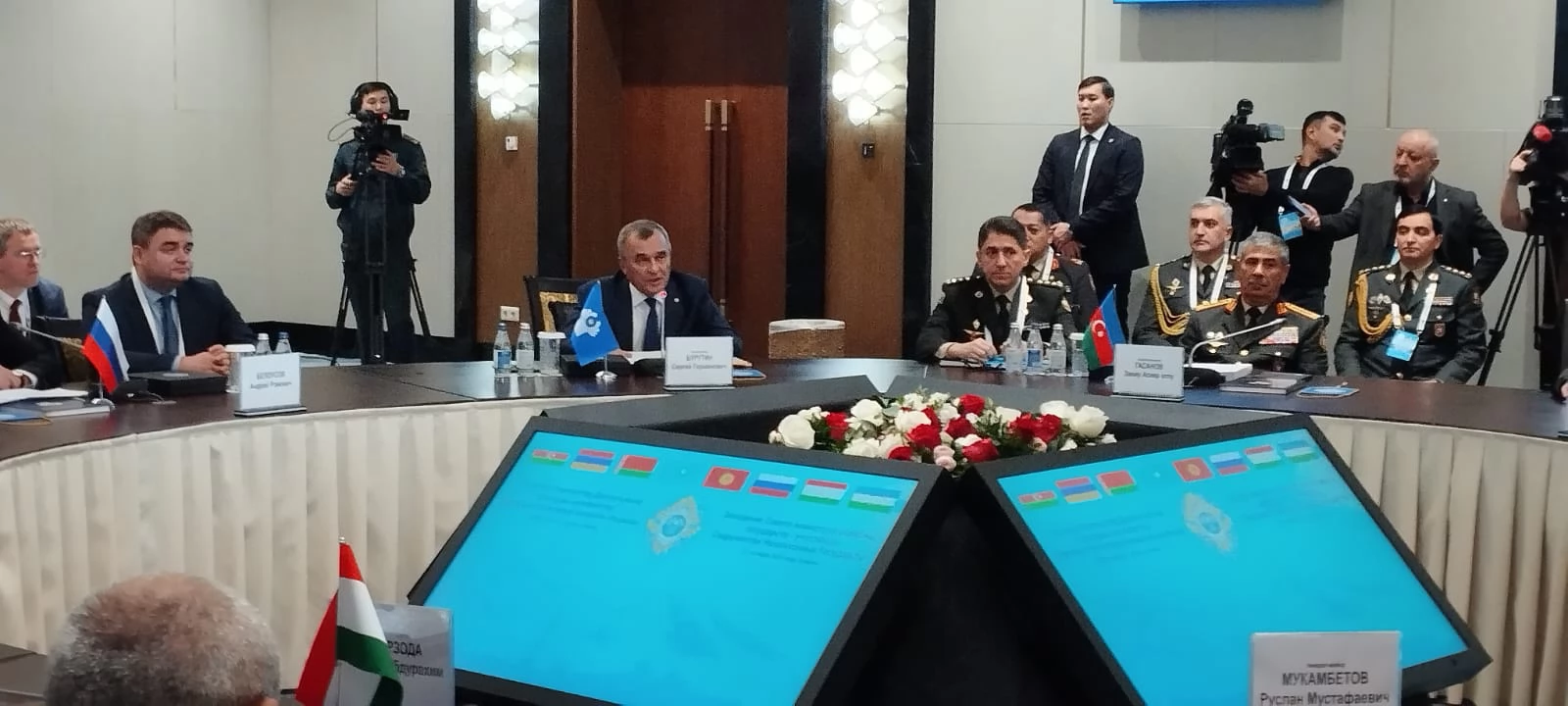
A meeting of the Council of Defense Ministers of the Commonwealth of Independent States Member States, chaired by Russian Defense Minister Andrey Belousov, took place on October 31, 2025, in Almaty, Republic of Kazakhstan.
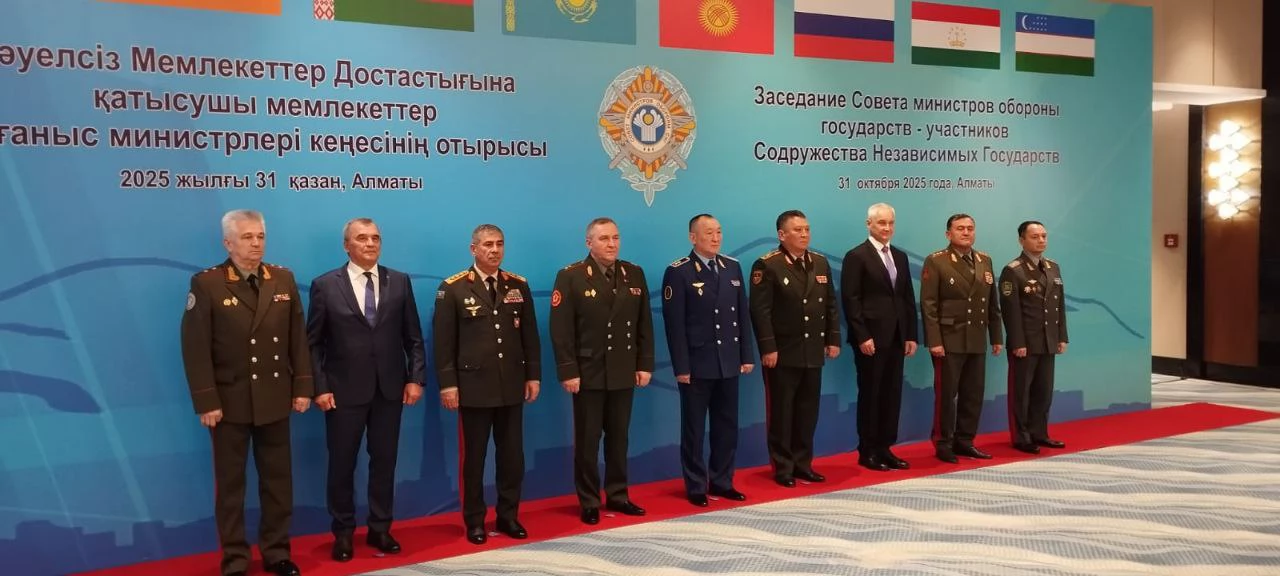
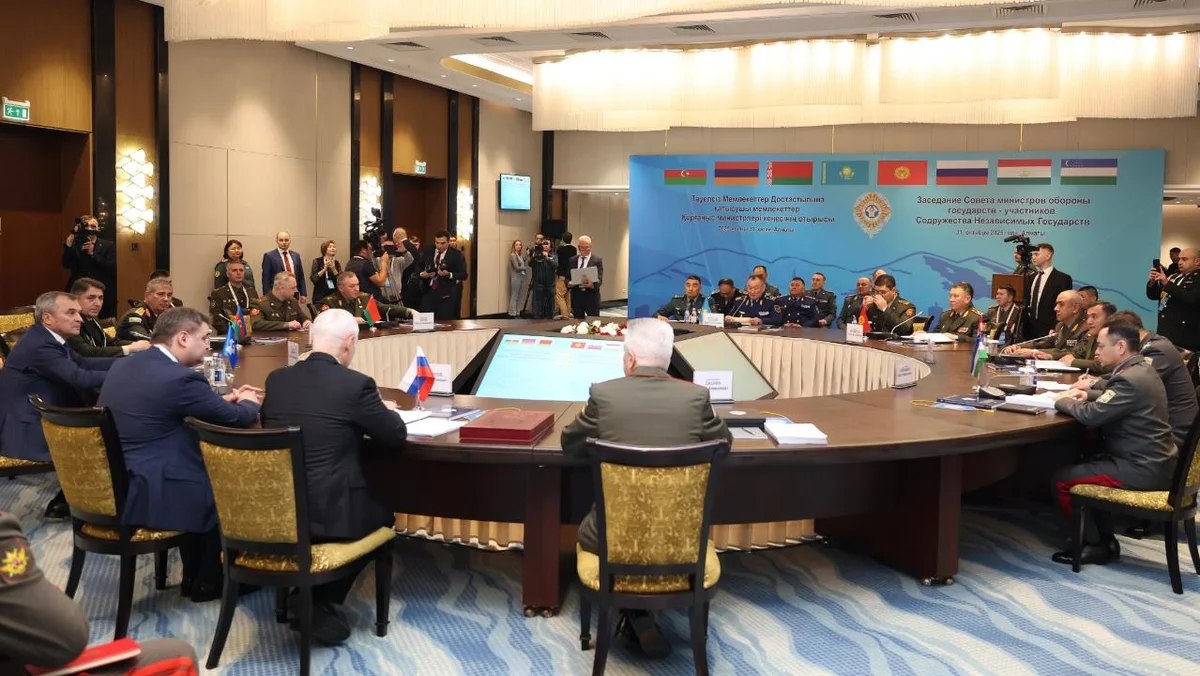
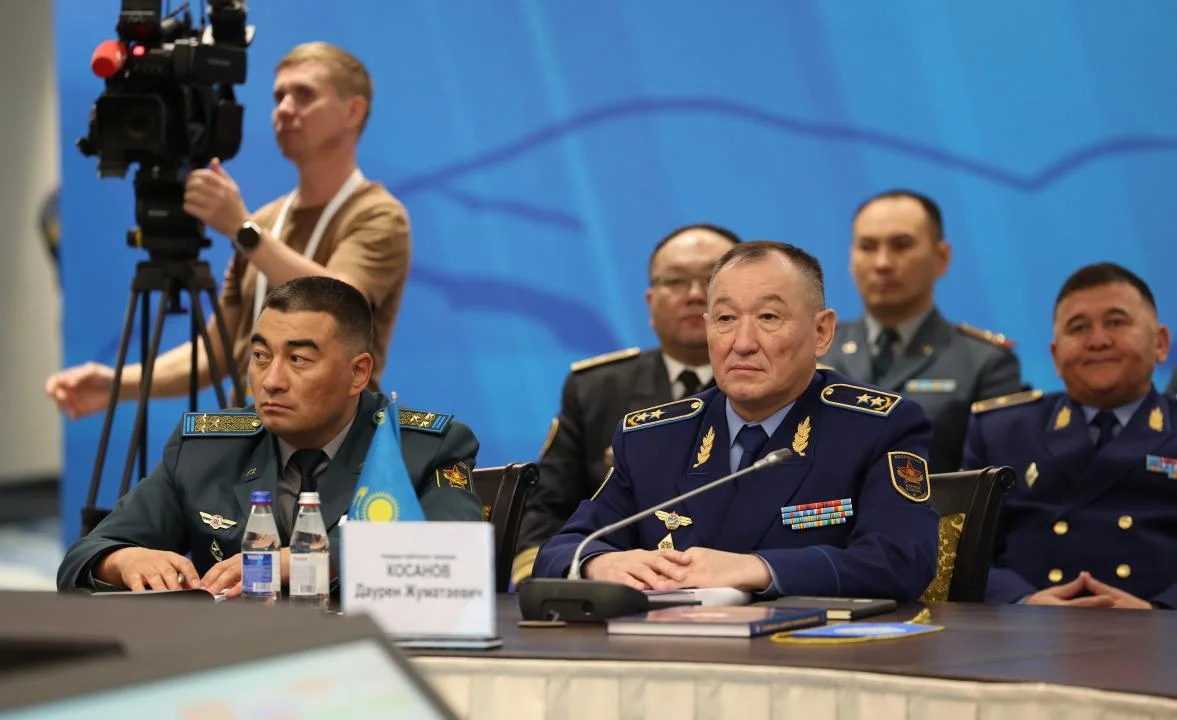
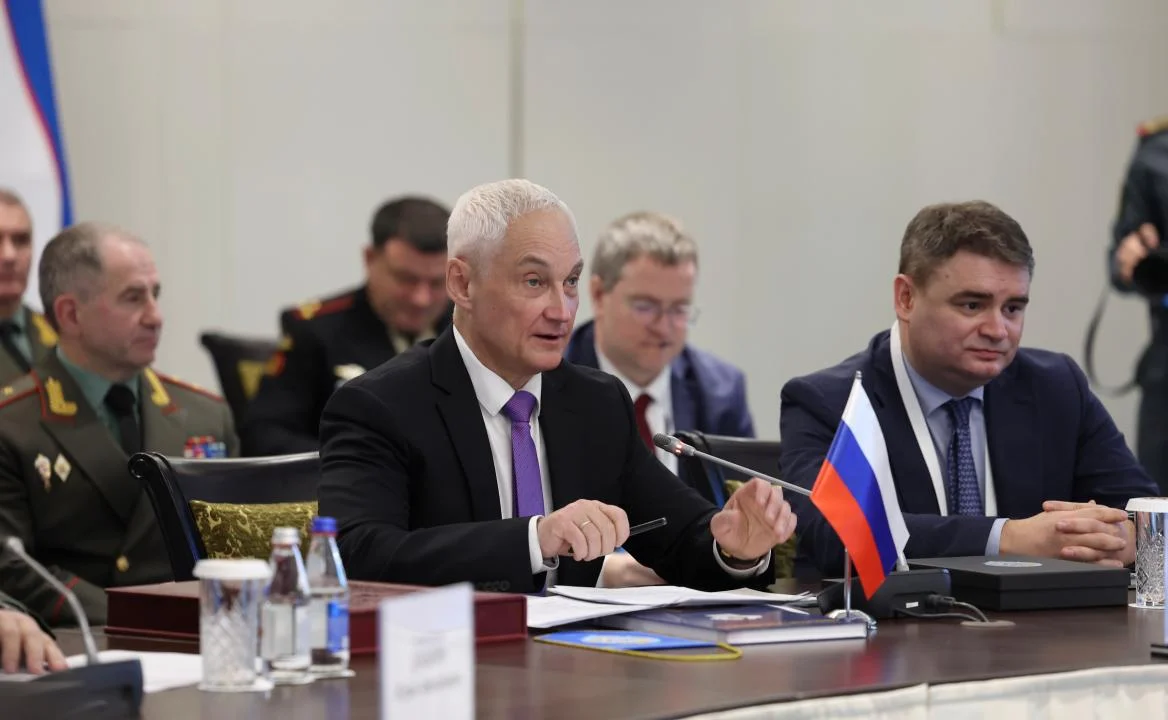
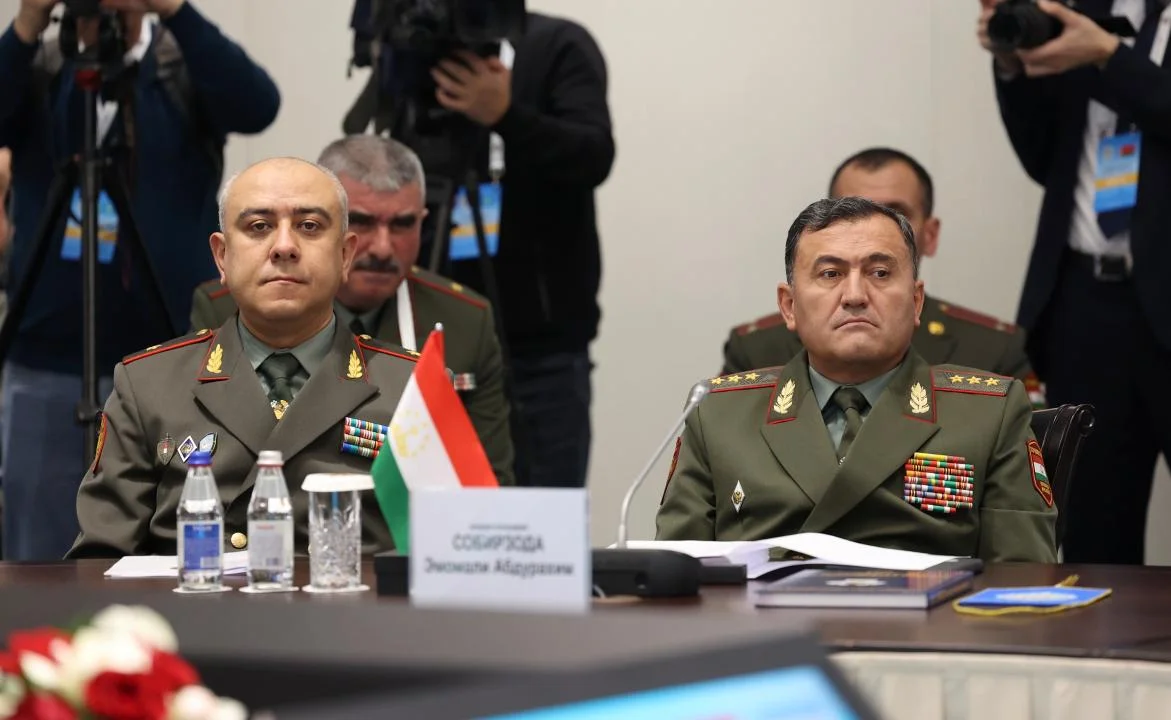
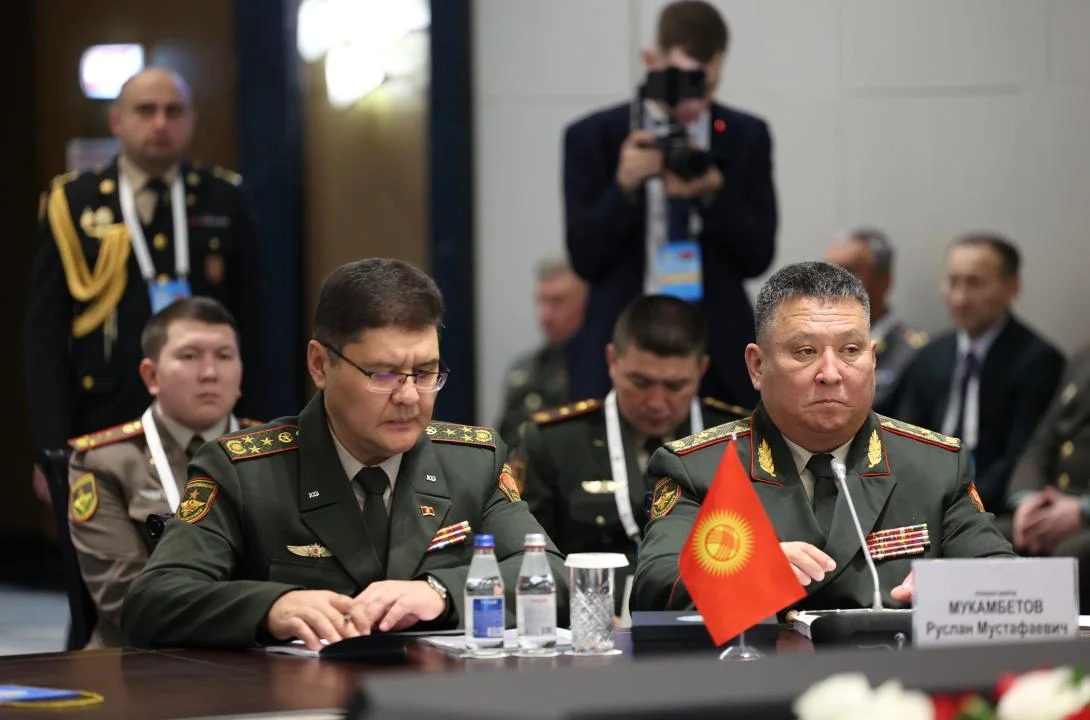
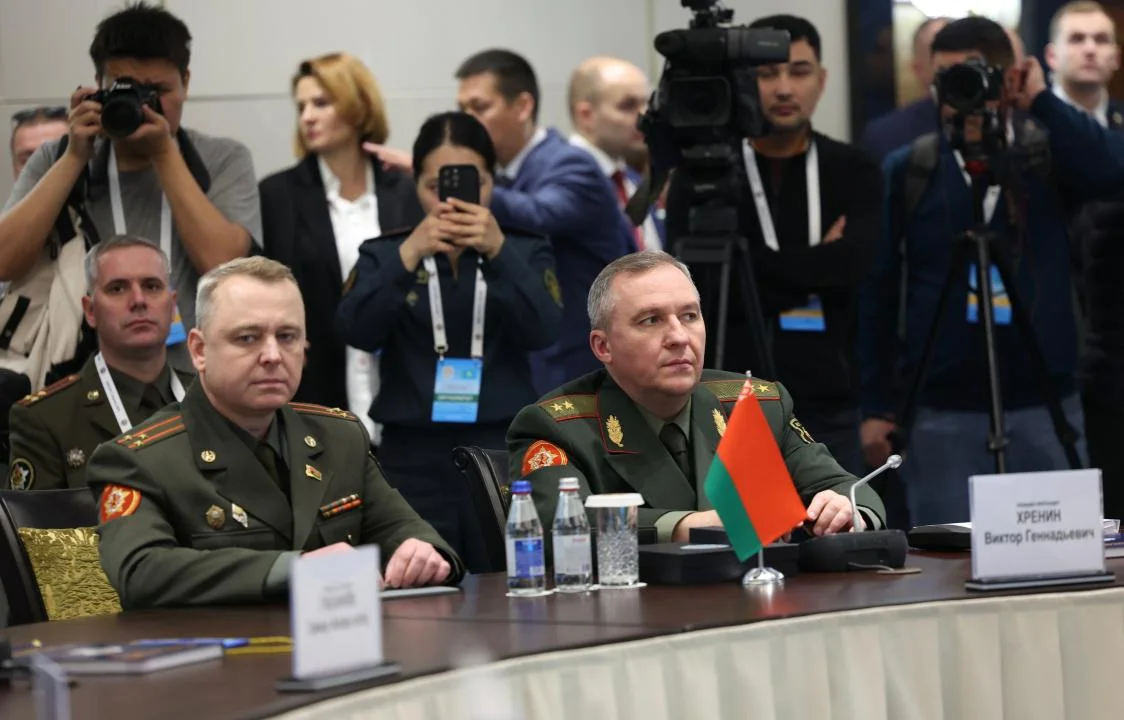
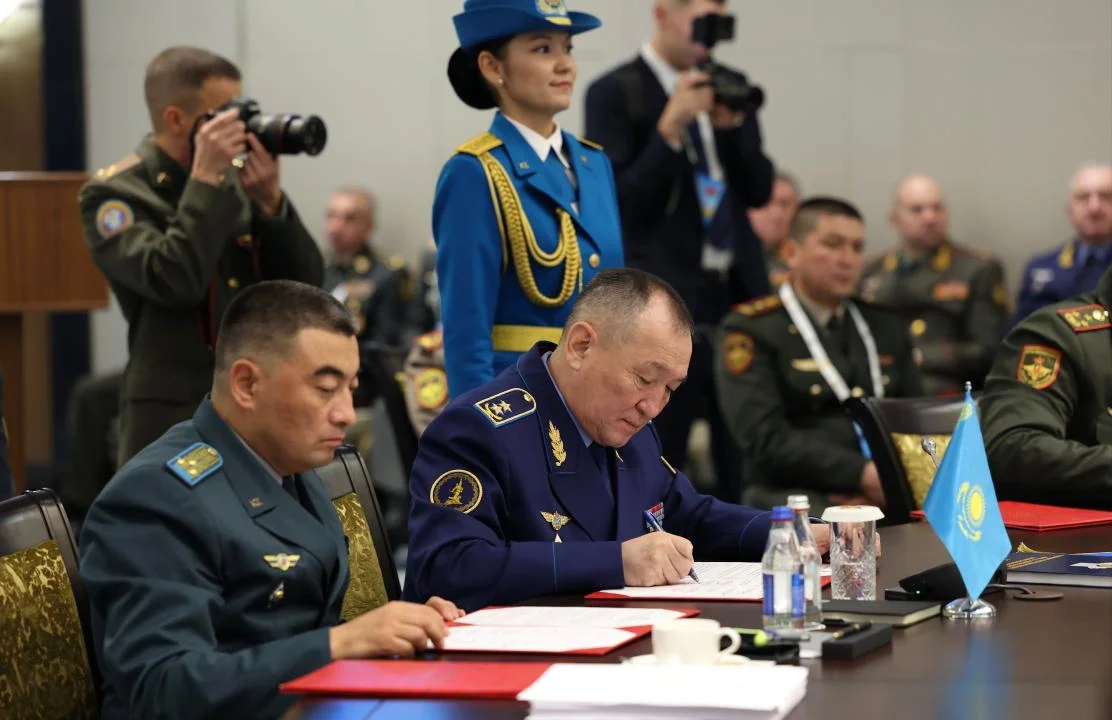
Among the participants of the meeting were:
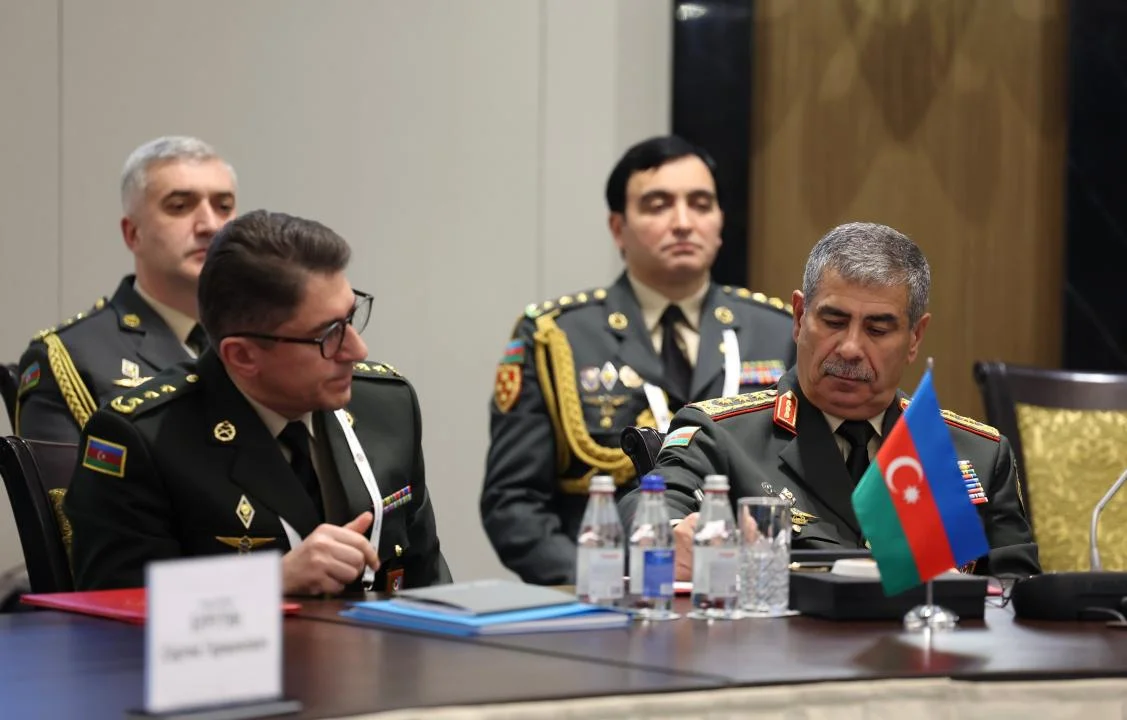
- Defense Minister of the Republic of Azerbaijan, Colonel General Zakir Hasanov
- Defense Minister of the Republic of Belarus, Lieutenant General Viktor Khrenin
- Minister of Defense of the Republic of Kazakhstan Lieutenant General of Aviation Dauren Kosanov
- Defense Minister of the Kyrgyz Republic, Major General Ruslan Mukambetov
- Defense Minister of the Republic of Tajikistan, Colonel General Emomali Sobirzoda
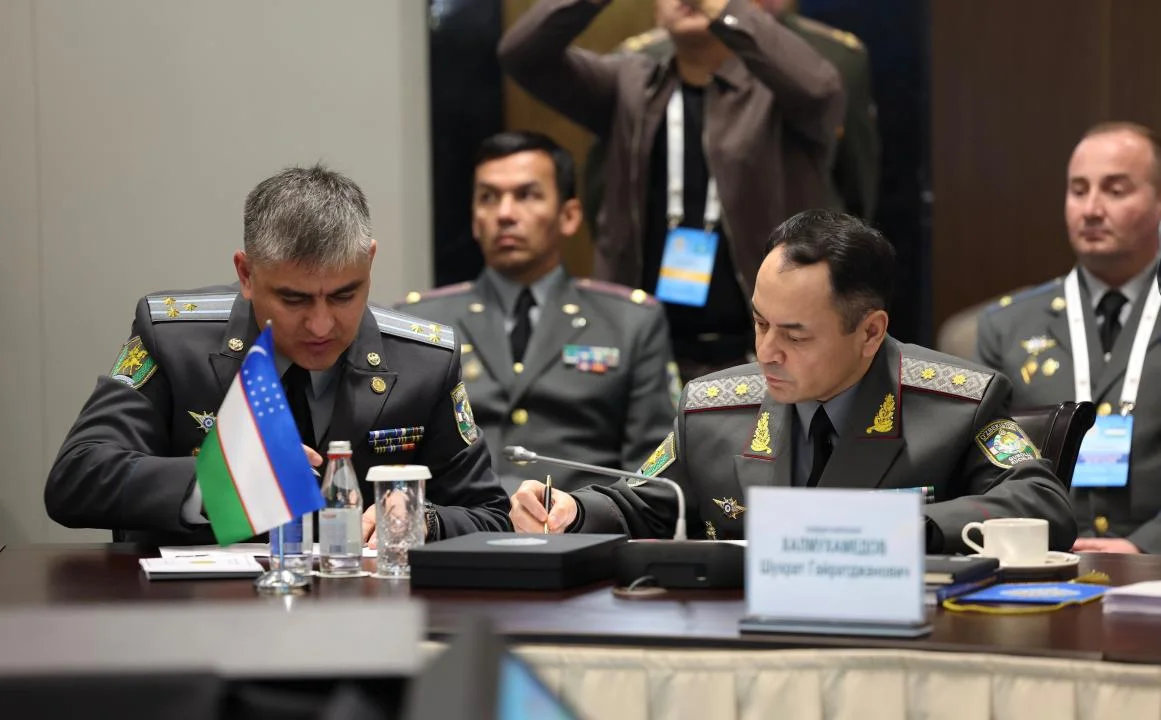
- Defense Minister of the Republic of Uzbekistan, Lieutenant General Shukhrat Kholmukhamedov
- Secretary of the Council of Defense Ministers of the CIS Member States, Lieutenant General Yuriy Dashkin
- Sergey Burutin, Head of the CIS Secretary-General’s Office, represented the CIS Executive Committee at the event.
Sergey Burutin greeted the participants on behalf of the CIS Executive Committee and CIS Secretary-General Sergey Lebedev. He noted that ‘the architecture of international security is undergoing fundamental changes. This is especially evident now – at a stage of pivotal transformation, when international institutions are losing effectiveness, and the force component is becoming a determining argument in interstate relations.
A new geopolitical order is replacing the American-centric system. The BRICS and SCO summits, the negotiations in Beijing, and the celebration of the 80th anniversary of the Victory in the Great Patriotic War of 1941-1945 and the end of World War II have vividly confirmed the formation of a new type of interstate interaction, based on a strengthening multipolar world order.
Our leaders extremely precise described the current international political situation at the recent meeting of the CIS Heads of State Council in Dushanbe. They noted that in the context of tectonic geopolitical processes in the world, Eurasia is acquiring the status of one of the most important political and economic centers of the multipolar world”.
Sergey Burutin emphasized that ‘the core functions of practical regional security provision in the post-Soviet space are carried out by the CIS, CSTO and SCO, which have a considerable history of cooperation and possess the necessary capabilities to strengthen the interstate system of protection against new challenges and threats.
The relevant structures of these organizations are at the forefront of the international fight against terrorism and extremism in the Eurasian region; they curb drug trafficking and transnational crime, and counter attempts to destabilize the situation’.
In accordance with the agenda, the Defense Ministers Council held a substantive discussion on current issues of multilateral military cooperation and its further development.
The heads of defense agencies analyzed the implementation of the Concept for Military Cooperation for the period 2021-2025 and noted that the results of the joint activities of defense agencies and working bodies of the Council indicate stable positive dynamics in the development of multifaceted cooperation across all areas of military-professional interaction.
The Council of Defense Ministers confirmed that cooperation in the military sphere would continue to focus on enhancing the combat capabilities of the armed forces of the Commonwealth states, and ensuring national security and regional stability.
The parties considered current and prospective tasks of cooperation in the military sphere and discussed proposals for enhancing the level of military cooperation among the Commonwealth states in modern conditions.
The defense ministers of the CIS member states paid significant attention to issues related to the functioning and development of joint (integrated) military systems:
- The main results of the unified air defense system were reviewed and ways for its further development were outlined from the perspective of its 30 years of operational experience.
- The experience of cooperation within the Unified System for Monitoring and Assessing the CBRN (Chemical, Biological, Radiological, Nuclear) situation was summarized, and directions for the further development of its national segments were determined.
- Particular attention was paid to practical measures for improving the Joint Communications System and to directions for joint activities in this area.
Important practical aspects of the Council's work included:
- Reviewing information on the Armed Forces of the Republic of Kazakhstan, their combat potential, and development directions in modern conditions.
- Learning about the activities of the Ministry of Defense of the Republic of Azerbaijan in the military-professional training of personnel using examples of heroes of the Great Patriotic War of 1941-1945.
- Scientific support for the development of military cooperation during joint military-theoretical activities on defense and military security issues.
- Learning about the practice of training military personnel in the Ministry of Defense of the Republic of Uzbekistan and directions for its improvement.
The Council meeting also considered issues of cooperation in the field of metrological support for the armed forces, physical training and sports, organizing joint combat training for troops, and planning military cooperation.
Following the meeting, decisions of the Council of Defense Ministers were signed. They are aimed at the further development of cooperation in the military sphere and strengthening the armed forces of the Commonwealth states.
The 85th meeting of the Council of Defense Ministers of the CIS Member States was held in a business-like and constructive atmosphere.