A session of the Collective Security Council of the Collective Security Treaty Organization was held in Bishkek on November 27 under the chairmanship of President Sadyr Japarov of the Kyrgyz Republic.
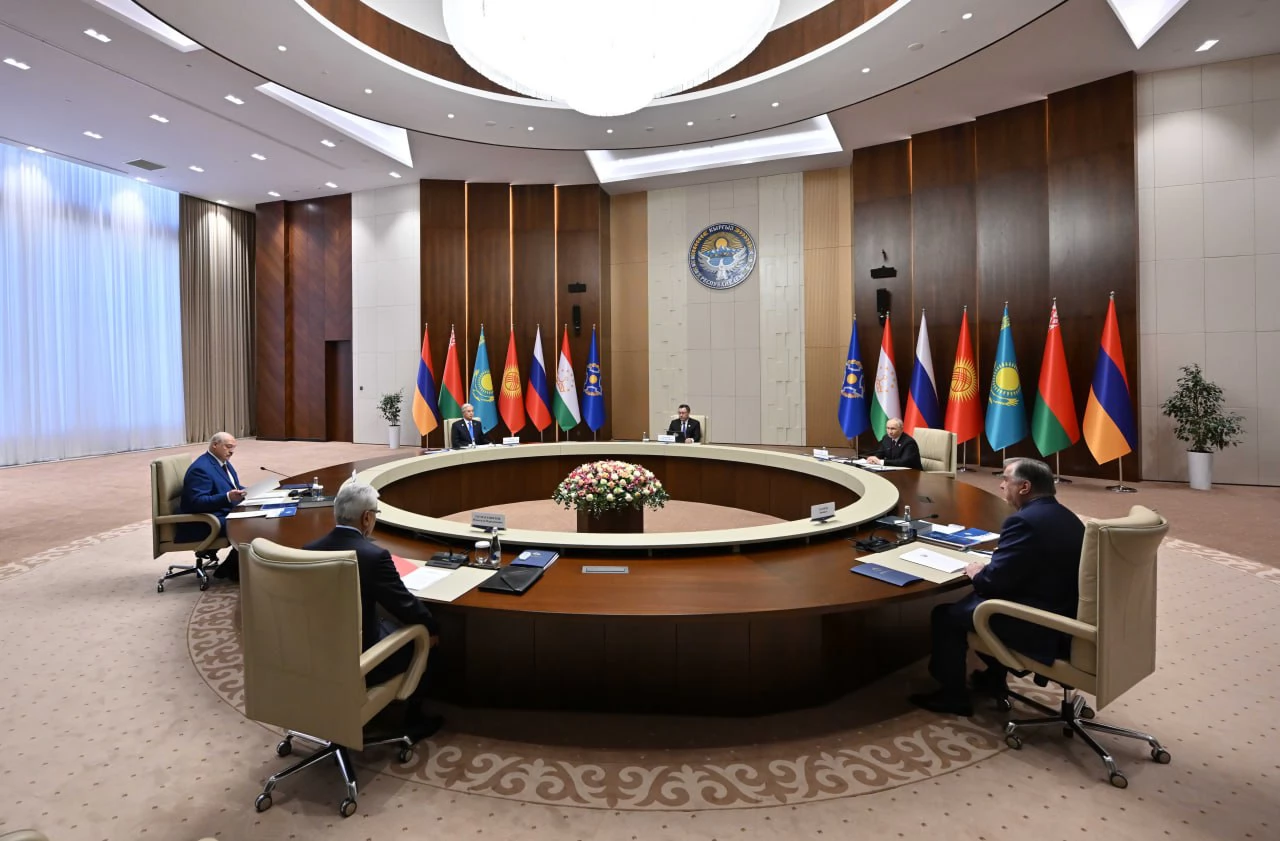
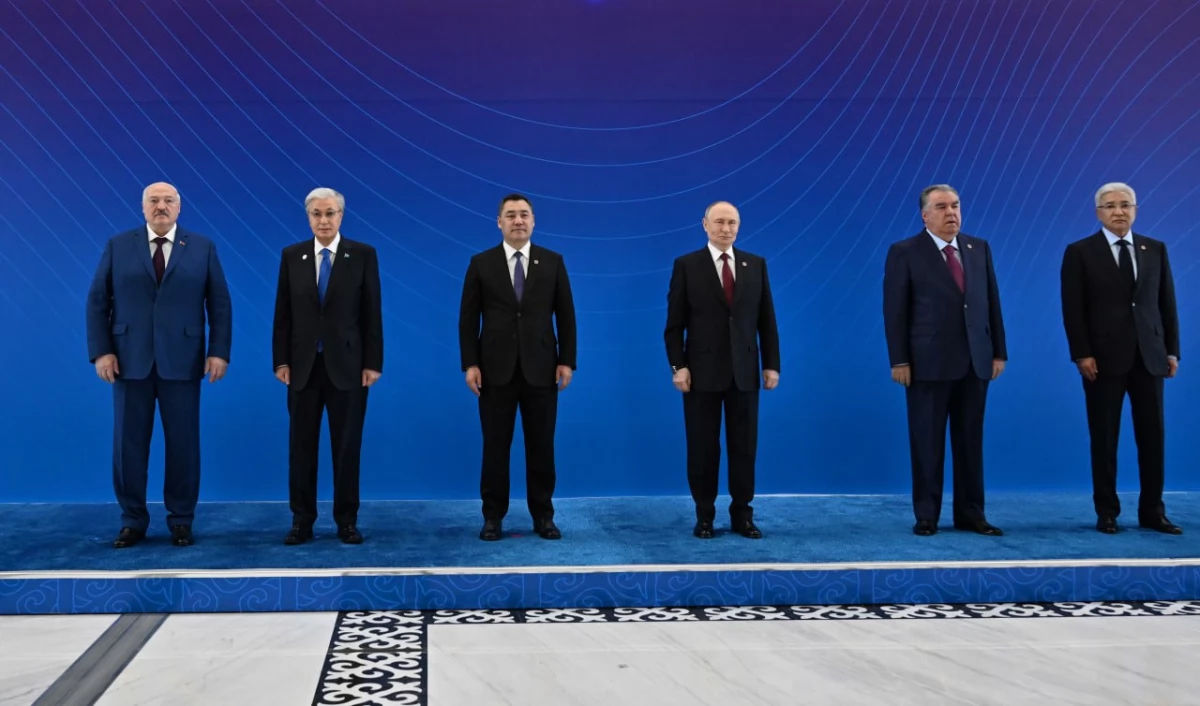
The CSTO Secretary-General Imangali Tasmagambetov informed Council members about current issues of international and regional security and the main outcomes of the Organization’s activities.
A central place on the agenda was given to considering a package of strategic documents shaping the collective security architecture for the near future. These included the CSTO Anti-Drug Strategy for 2026–2030 and the Plan for the Development of Military Cooperation of the CSTO Member States for 2026–2030.
One of the session’s outcomes was the adoption of the Declaration of the CSTO Collective Security Council. The document reflects the consolidated positions of the member states on current issues of regional and global security and outlines ways for the further strengthening and development of the Organization.
By the Council’s decision, the chairmanship of the CSTO for 2026 passes to the Russian Federation.
During the session, the priorities of the upcoming Russian chairmanship in the CSTO for 2026 were announced. The Russian side highlighted key directions such as developing the Organization’s information and analytical activities, enhancing counter-terrorism and responses to other challenges and threats, strengthening collective security forces, and combating illicit drug trafficking. The motto for the upcoming chairmanship was proposed: “Collective Security in a Multipolar World: A Single Goal – A Common Responsibility”.
The Collective Security Council appointed Taalatbek Masadykov to the position of Secretary-General for a three-year term – from January 1, 2026 to December 31, 2028.
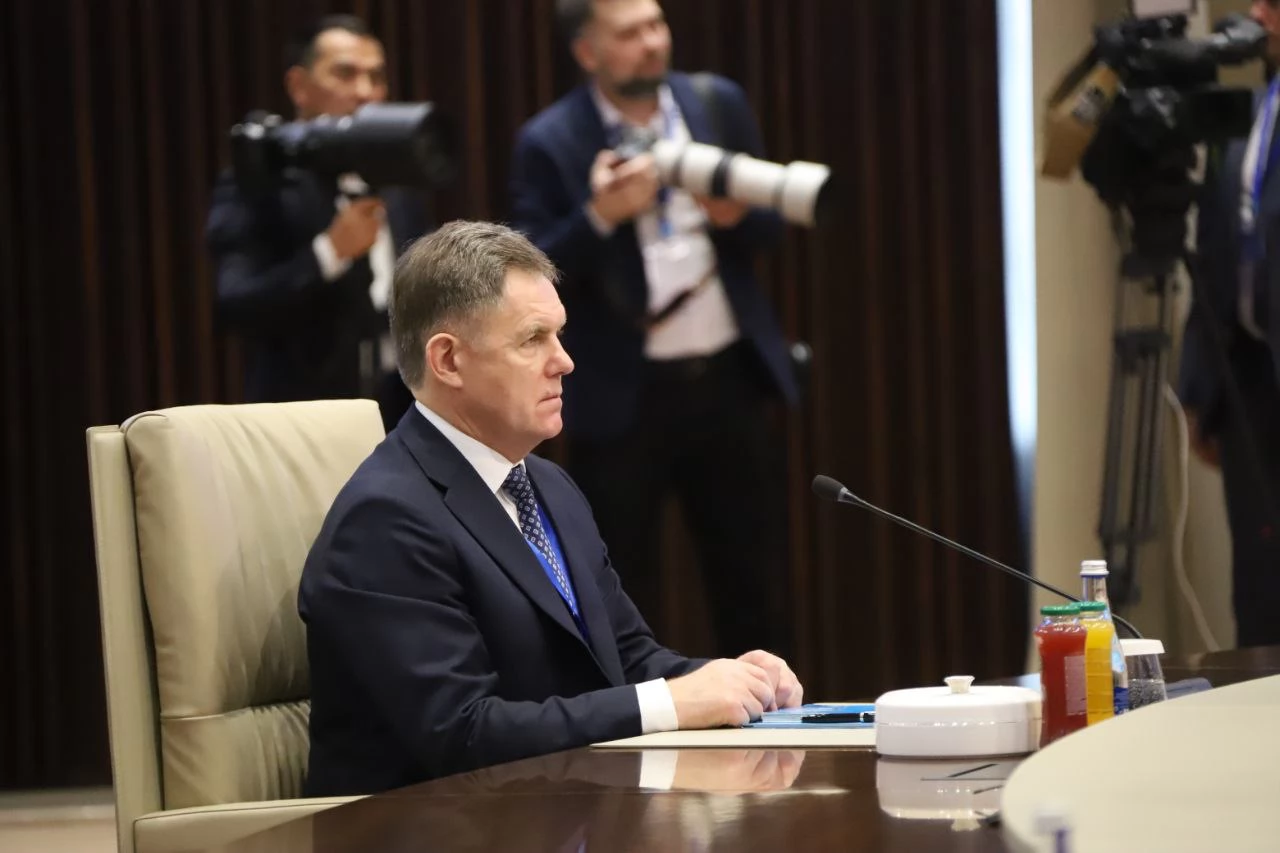
The meeting was attended by the CIS First Deputy Secretary-General Igor Petrishenko. On the sidelines of the summit, he held talks with the leadership of the CSTO and the SCO on matters of mutual interest. The discussions focused on interaction and the implementation of joint agreements within the framework of the respective memoranda concluded between the CIS Executive Committee and the secretariats of these organizations.