А new version of the Model Law on the Status of the Commissioner for Human Rights was adopted at the plenary meeting of the Interparliamentary Assembly (IPA) of the Member States of the Commonwealth of Independent States held on May 22, 2026 in Saint Petersburg.
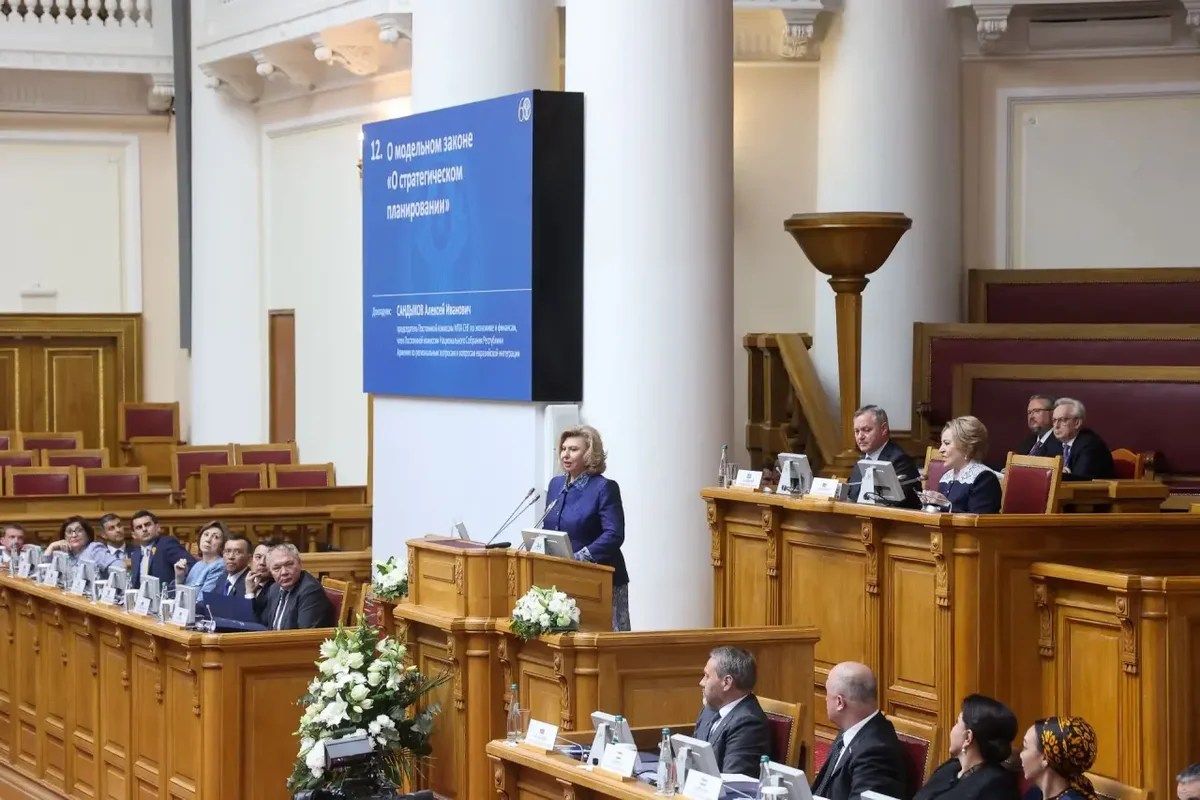
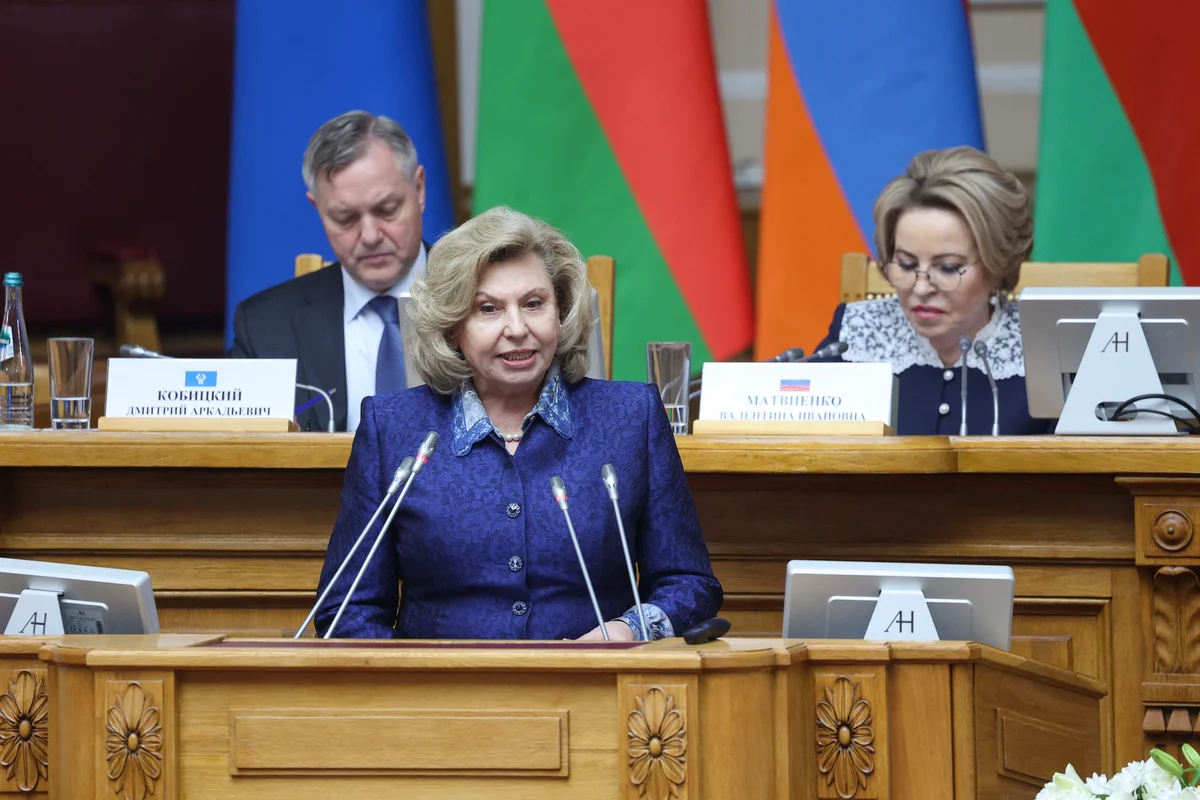
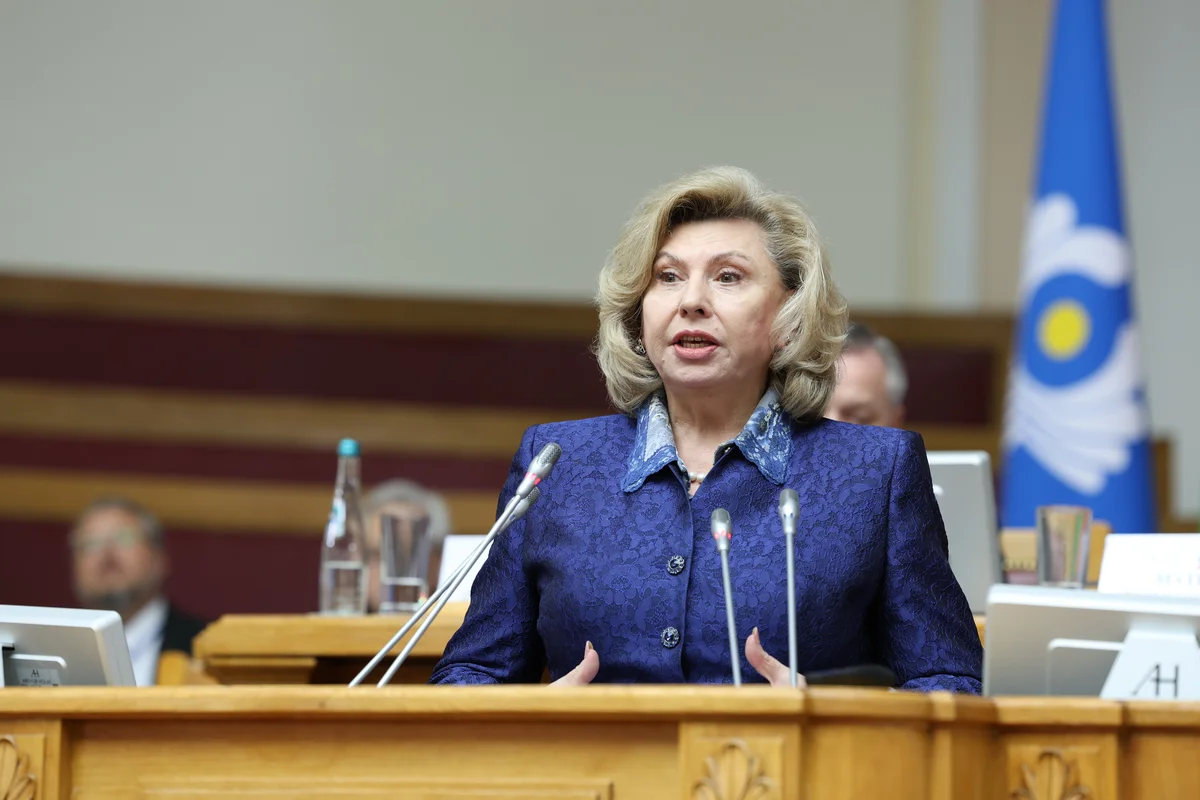
The working group specially formed by the CIS Human Rights Commission and headed by the Russian Representative to the CIS Human Rights Commission, Commissioner for Human Rights in the Russian Federation Tatiana Moskalkova, has been working on the document for two years. It collaborated closely with the IPA CIS Permanent Commission on Social Policy and Human Rights and with the CIS Member States national parliaments.
Chairman of the IPA CIS Permanent Commission, member of the Committee of the Milli Majlis of the Republic of Azerbaijan for Law Policy and State-Building, member of the Committee of the Milli Majlis on Culture Nizami Safarov and Russian Representative to the CIS Human Rights Commission Tatiana Moskalkova presented the new version of the Model Law at the 60th plenary meeting of the CIS Interparliamentary Assembly.
Adopted in 2004, the Model Law on the Status of the Commissioner for Human Rights has proven its high practical value over the past 20 years as a basis for the harmonization of national legislations. At the stage of formation of this human rights institution it set the vector of regulation and unified approach to the establishment of this body. However, over the last 20 years there have been significant changes in the States of the Commonwealth, namely, new Constitutional Acts have been adopted, the structure of public authority has been updated and a complex system of international cooperation has been formed. These very changes necessitate the elaboration of the new version of the document.
The new Model Law meets modern challenges in the field of human rights promotion and protection, takes into consideration recent legislative and law enforcement changes and significantly updates the legal status of ombudspersons initially enshrined in the 2004 Law.
Its key novelties are related to the expansion of citizens’ rights when petitioning the Commissioner, the enhancement of the human rights institution accessibility and transparency. Specifically, the Model Law enshrines various ways to file a report (oral, written and online) and expands the Commissioner’s powers regarding not only reports but also other citizens’ applications.
The new law aims to enhance the Commissioner’s independence and at the same time specifies the requirements for the candidates that restrict the possibility of their appointment to the post. It also provides for the extension of the immunity guarantees to the Deputy Commissioners and the Commissioner’s office members.
A separate chapter of the Law is dedicated to the Commissioner’s interaction with the expert community and civil society institutions. Special attention is paid to the functioning of consultative and advisory bodies, working and expert groups and commissions.
Tatiana Moskalkova thanked all those who participated in the elaboration of the draft law for fruitful cooperation and gratefully noted the CIS Interparliamentary Assembly’s attention to the convergence and harmonization of national human rights legislation across the Commonwealth.