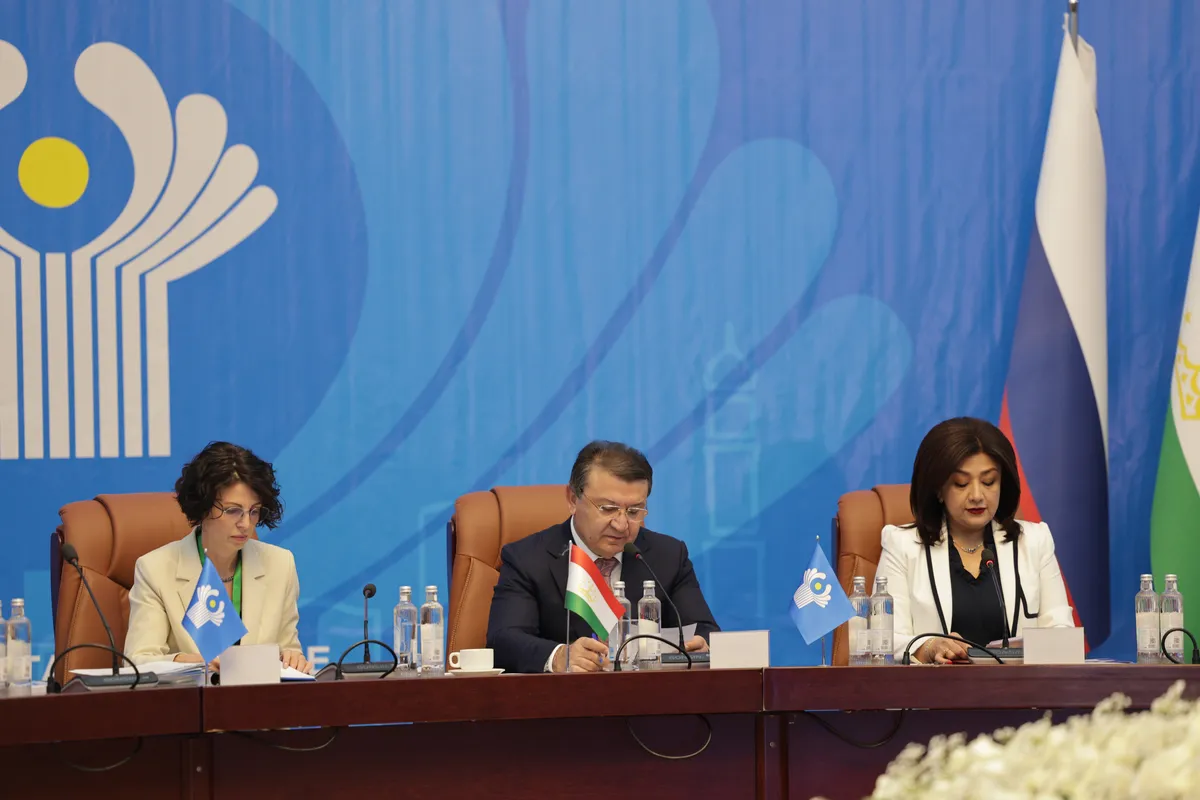
The XXXVIII meeting of the Council for Cooperation in Healthcare of the Commonwealth of Independent States was held on October 3, 2025, in Dushanbe.
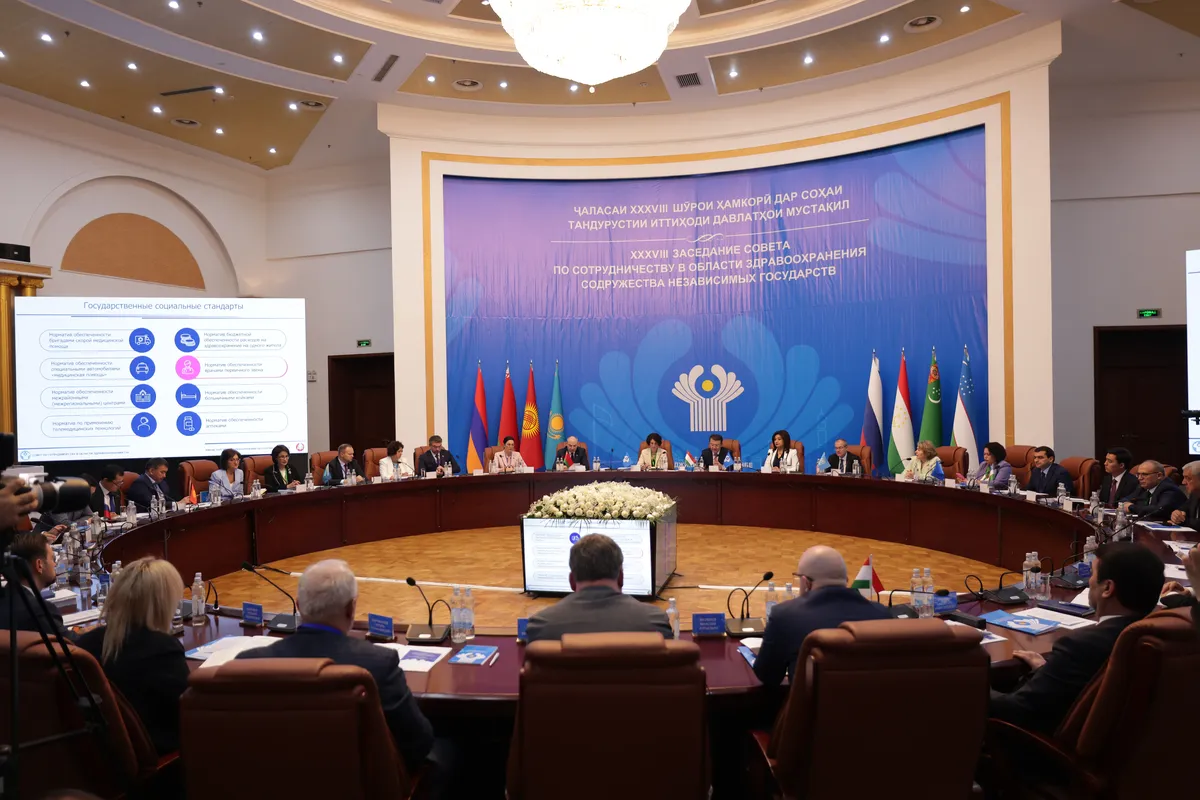
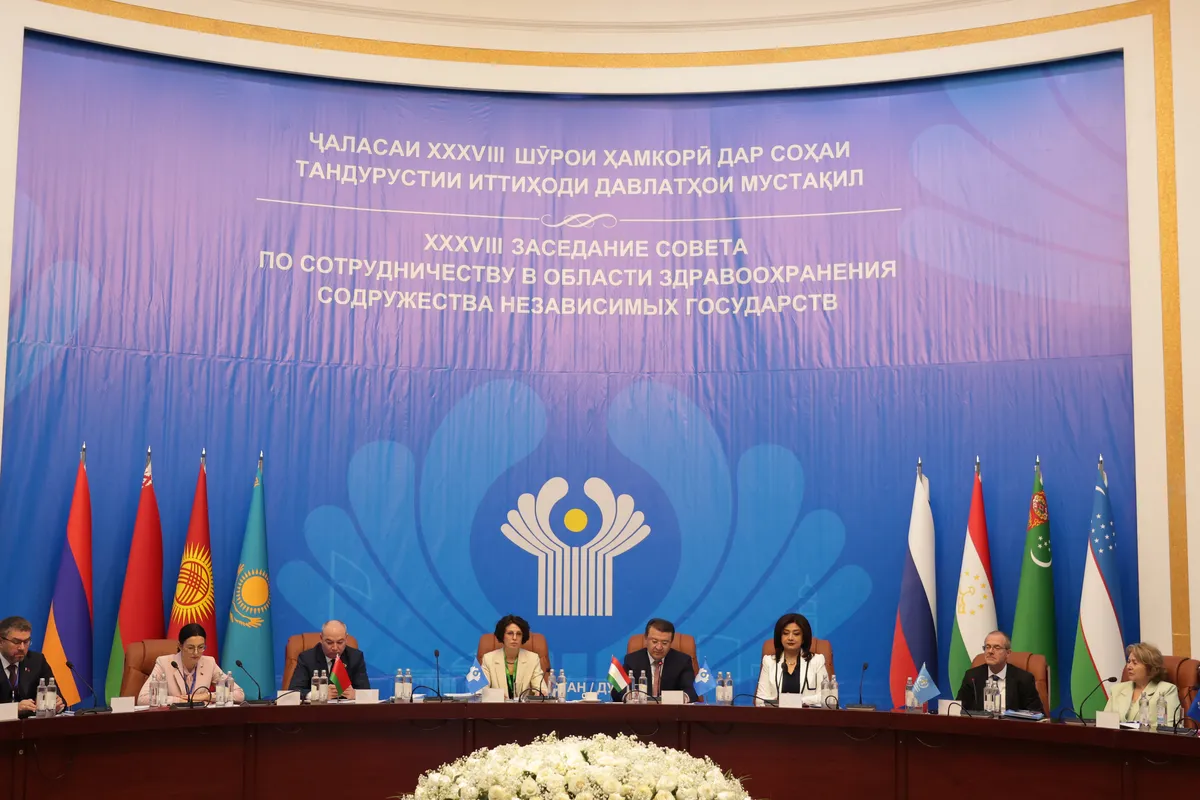
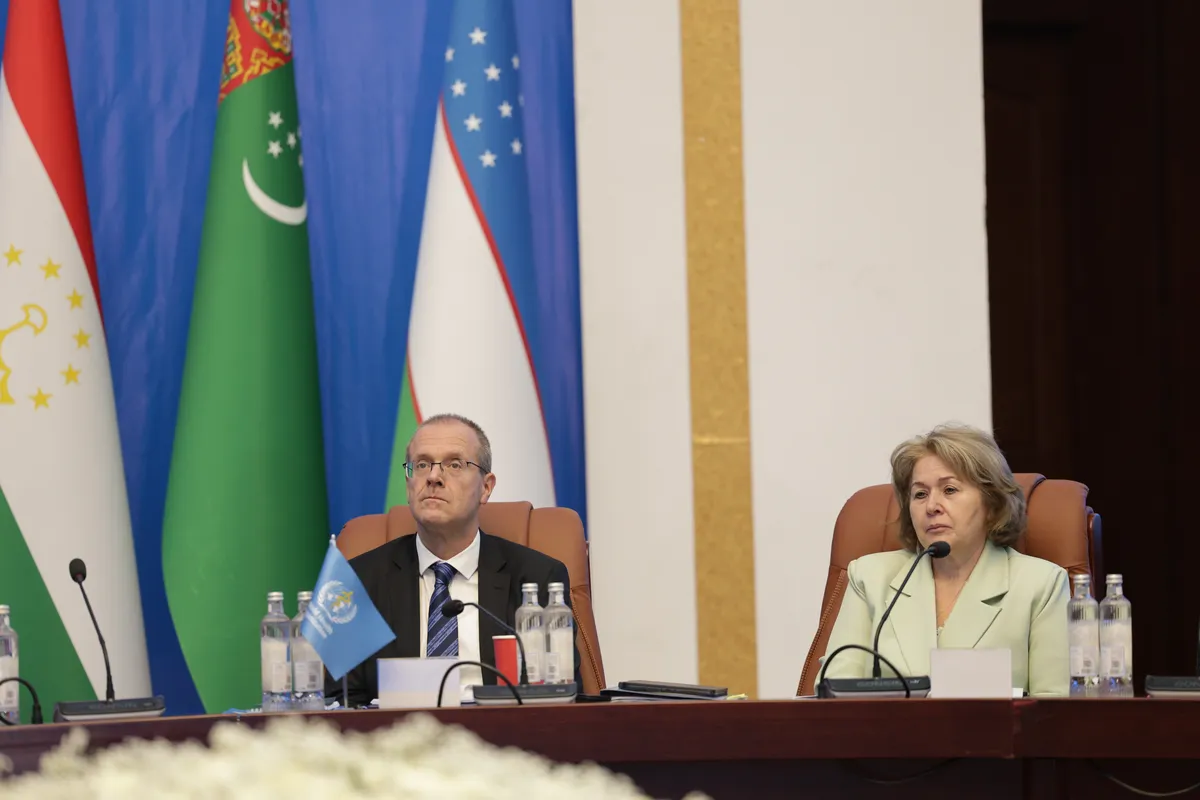
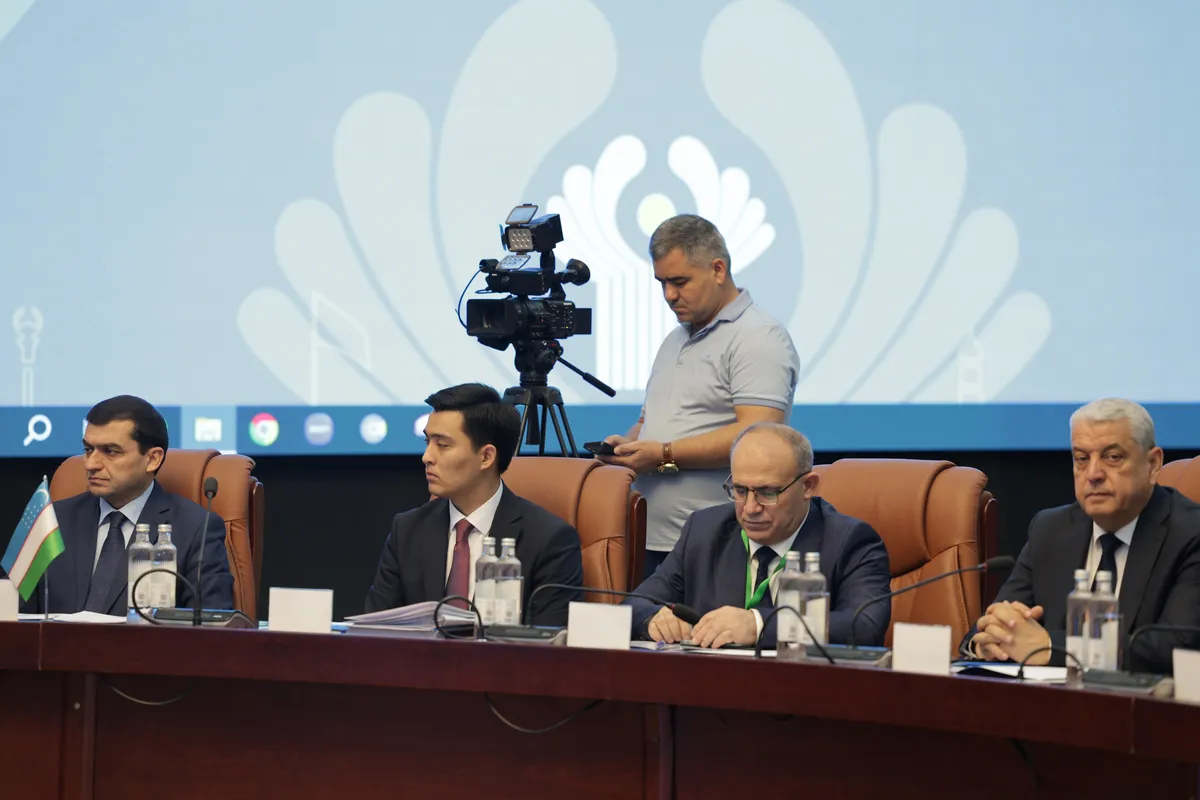
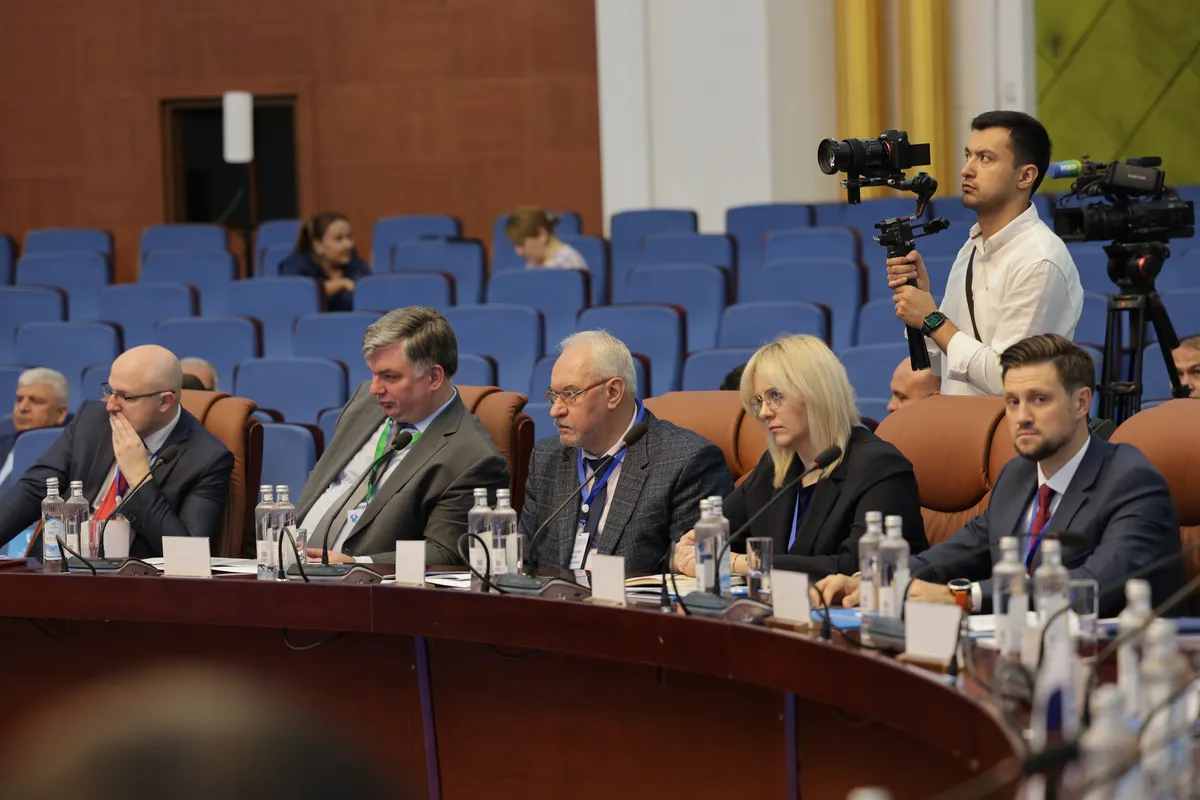
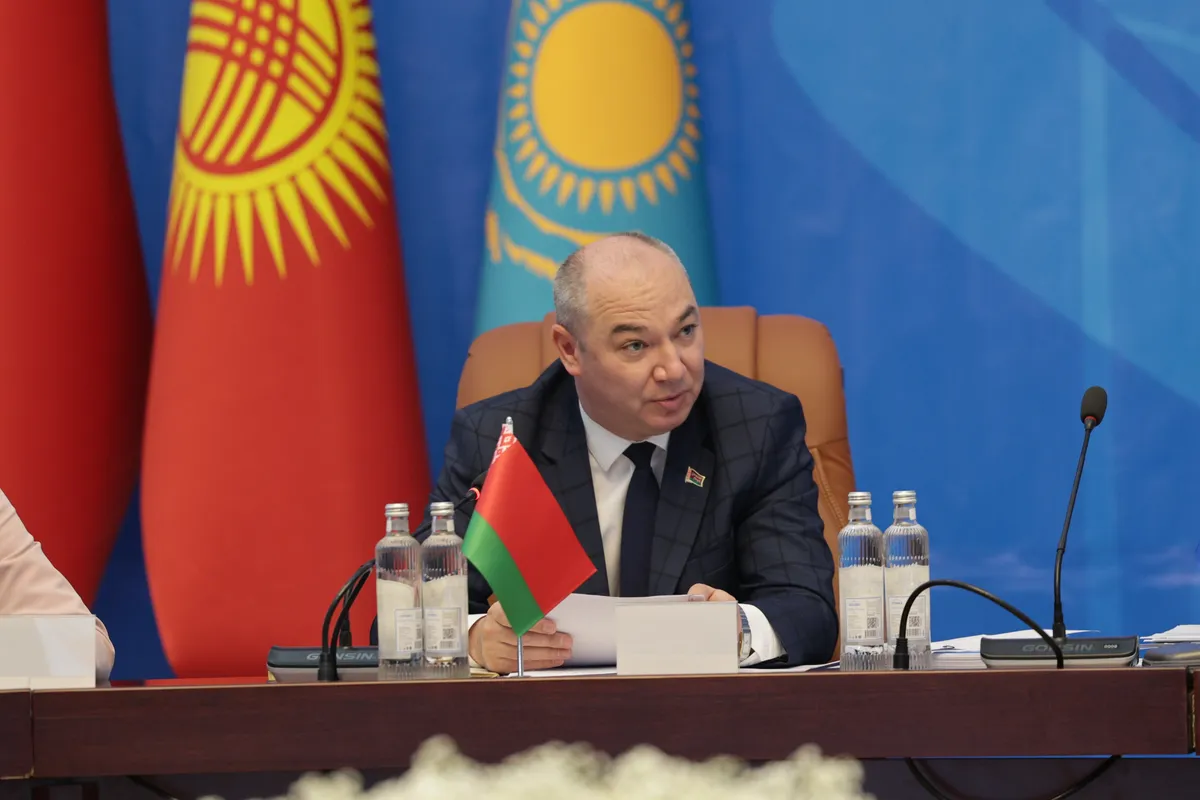
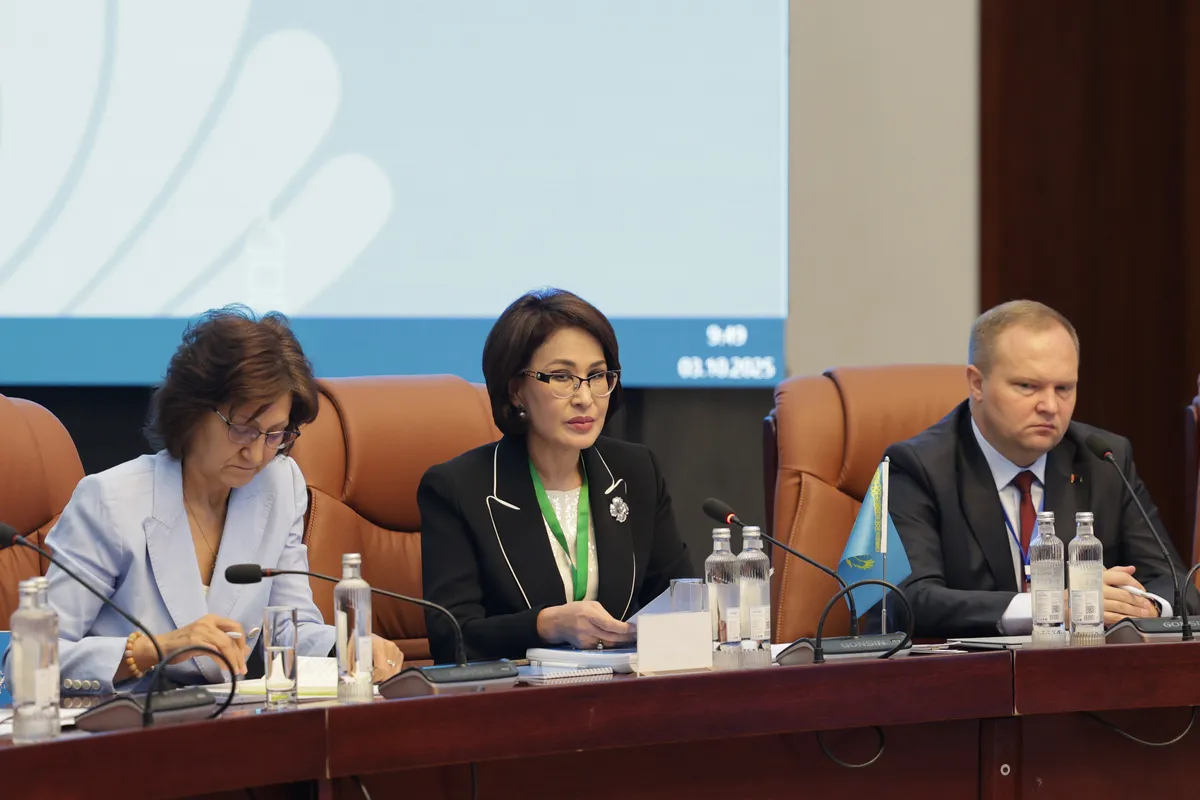
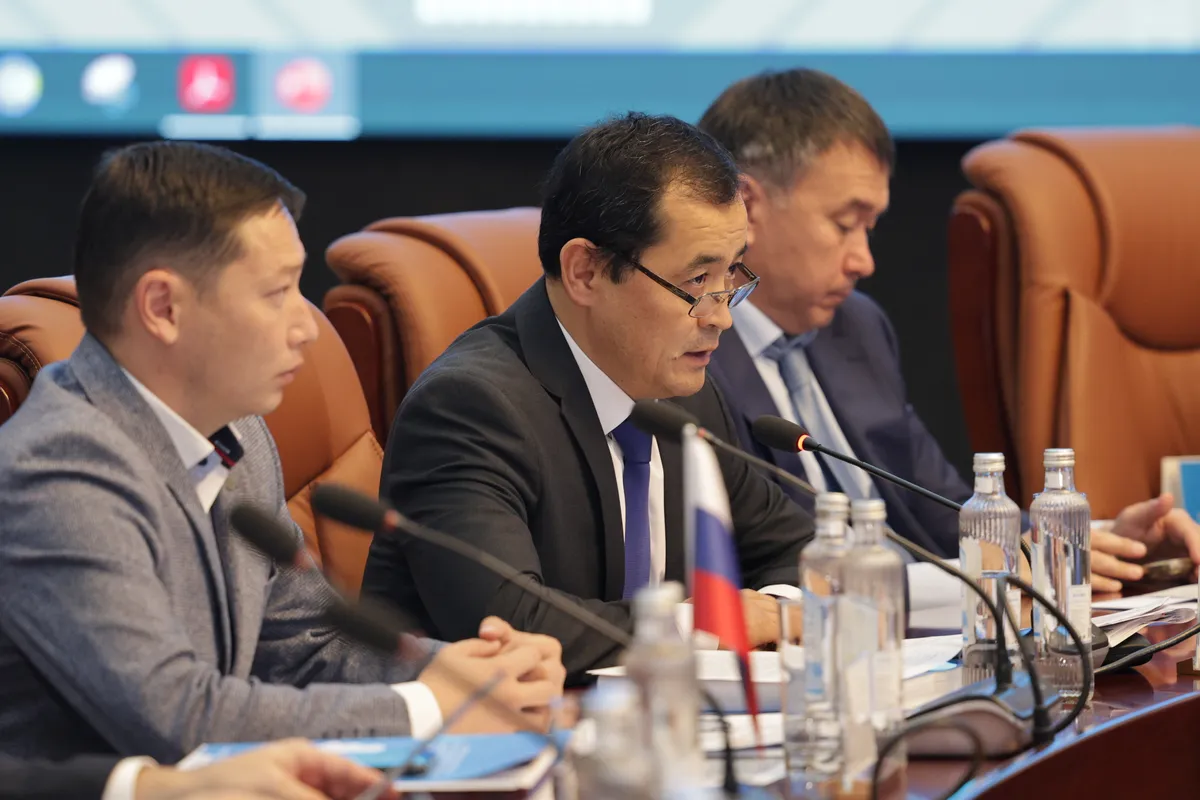
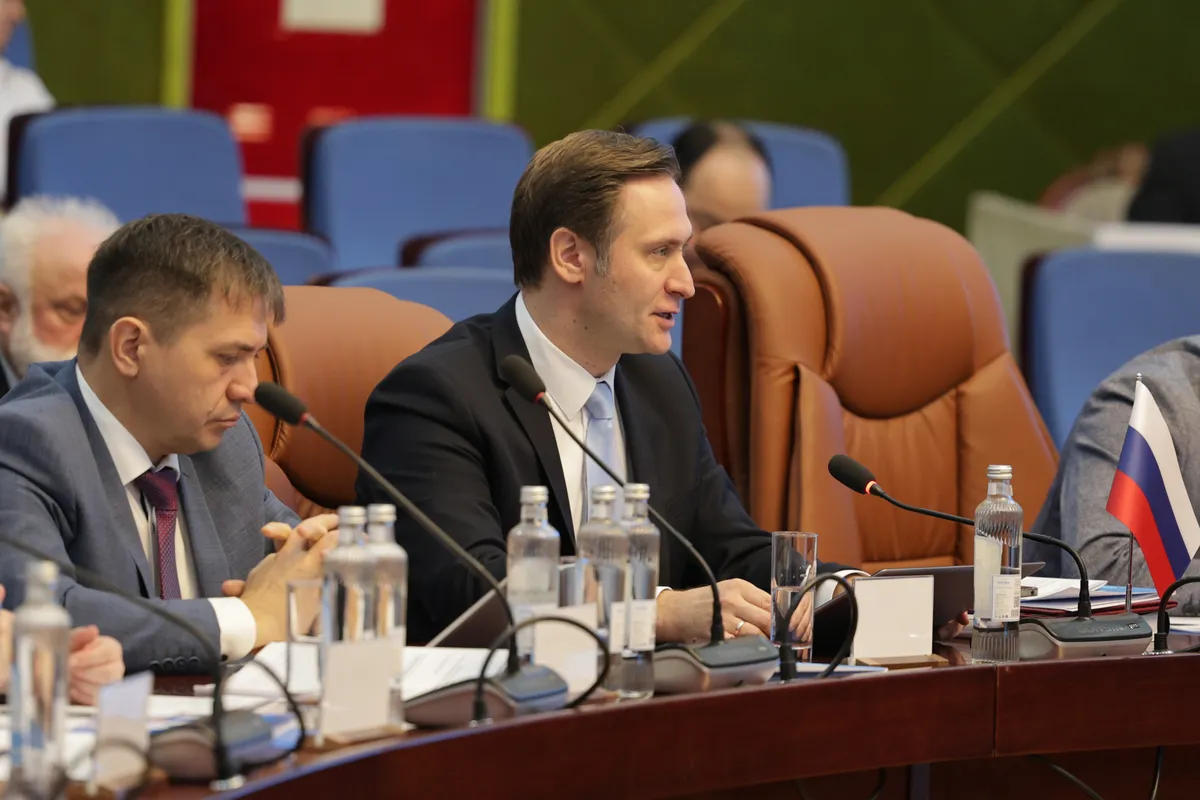
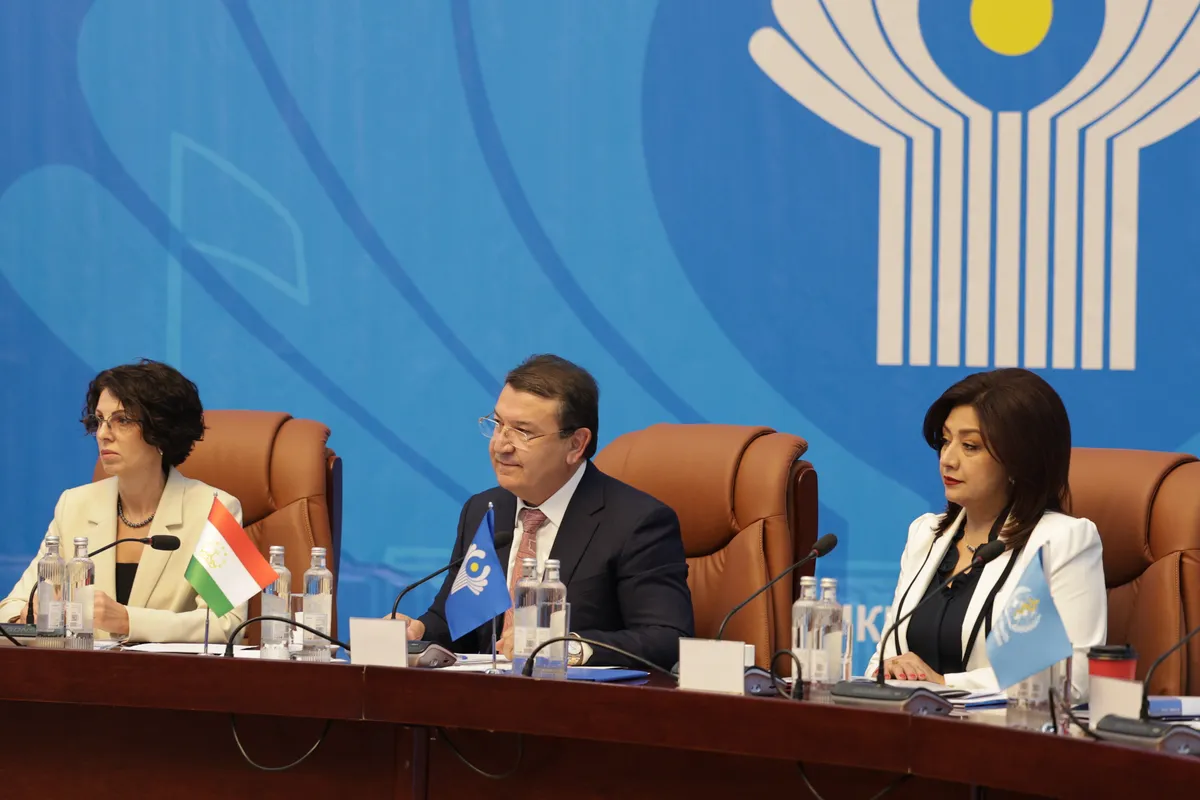
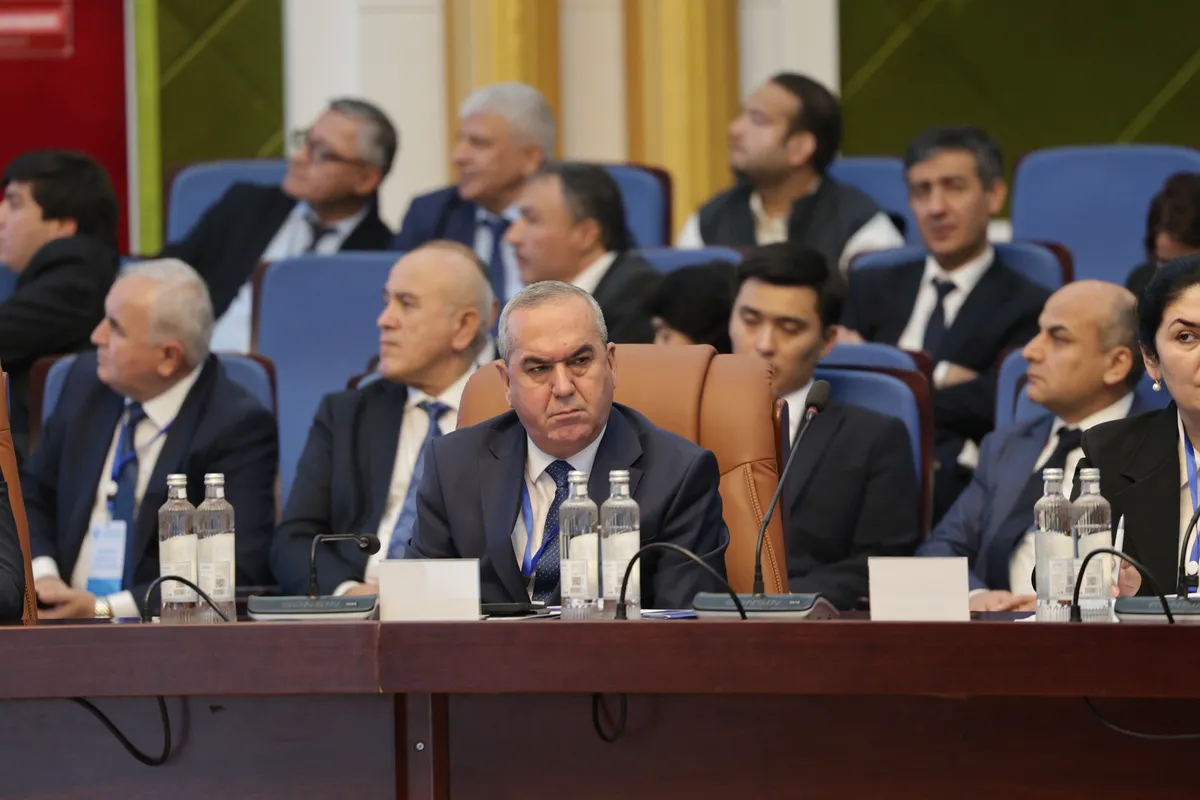
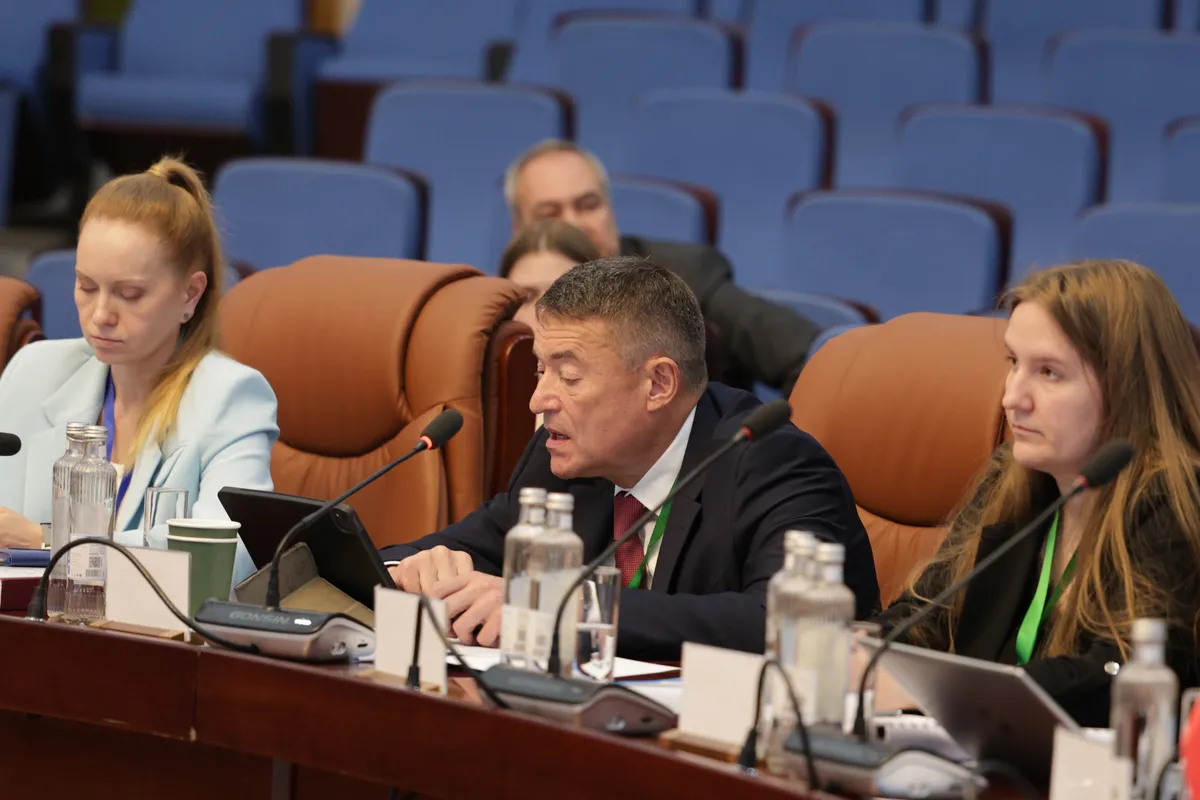
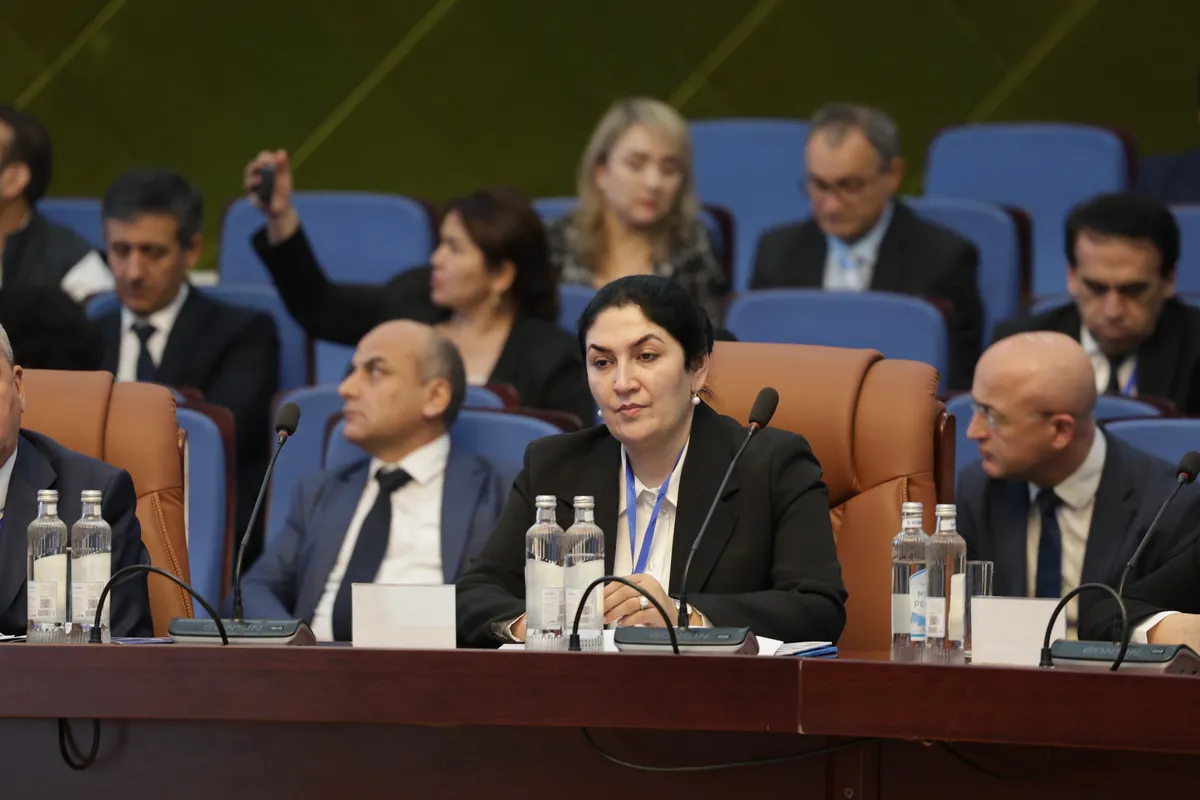
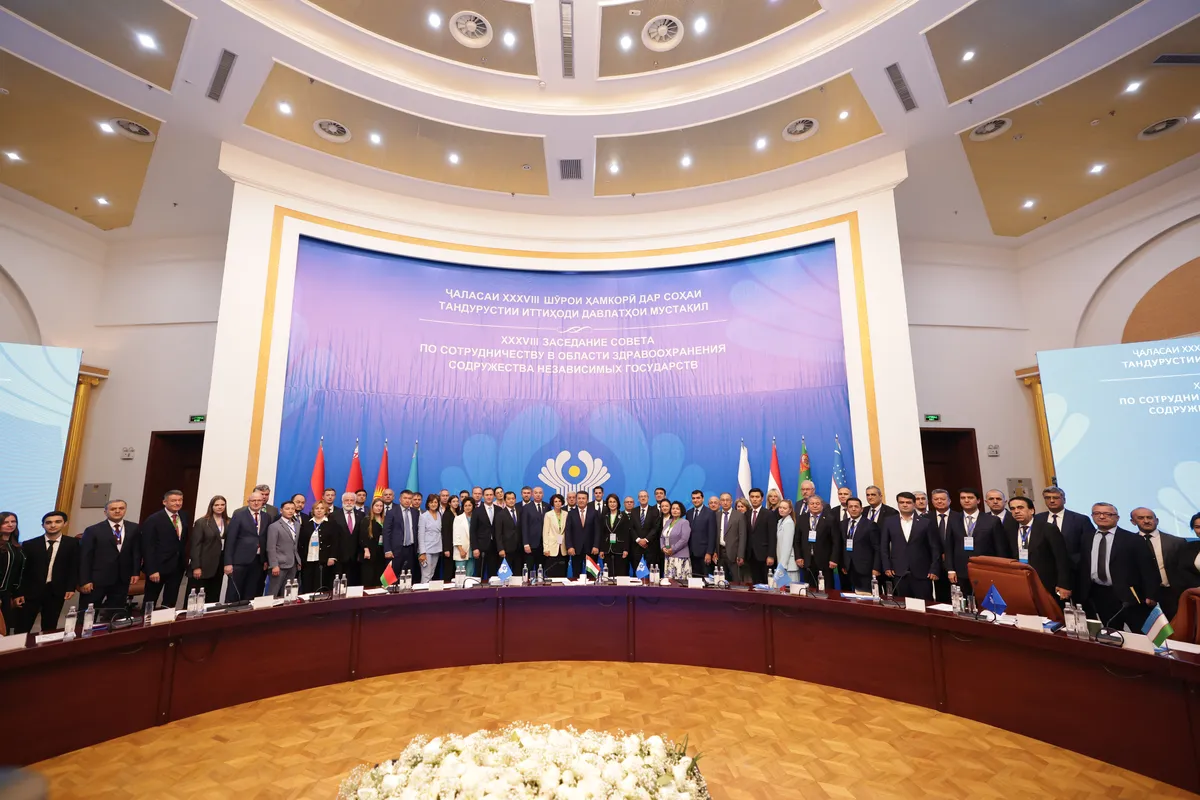
Participants included members of the Council and authorized representatives from Belarus, Kazakhstan, Kyrgyzstan, Russia, Tajikistan, and Uzbekistan; heads of the Council's working bodies and core organizations; representatives of the CIS Interparliamentary Assembly, the World Health Organization (WHO), the CIS Executive Committee, the NGO “Association of Directors of Oncology and Radiology Centers and Institutes of the CIS and Eurasia”; heads of republican medical institutions of Tajikistan; and representatives of other interested organizations and agencies of the CIS member states.
The meeting was held under the chairmanship of the Ministry of Health and Social Protection of the Population of the Republic of Tajikistan in the CIS Council for Cooperation in Healthcare.
CIS Secretary-General Sergey Lebedev sent a welcome address to the participants, highlighting the Council’s role as an effective platform for professional dialogue, promising solutions, experience exchange, and the development of unified approaches in medicine.
A key agenda item was the discussion of the observance of the Year of Health Protection in the CIS in 2026.
During the meeting, the Council members reviewed 27 issues, including:
- trends in cancer incidence before and after the COVID-19 pandemic;
- analysis of the diabetes situation and possibilities for the use of artificial intelligence in diabetology;
- cooperation directions for the prevention of non-communicable diseases (NCDs) and especially dangerous infections;
- organization and provision of medical assistance in emergencies.
Among the reviewed documents, the Council:
- approved joint action plans to prevent the spread of tuberculosis and combat oncological diseases;
- endorsed methodological recommendations on “General principles of epidemiological surveillance and cholera prevention in CIS member states” and “The list of diseases, conditions, and forms of risky behavior for which blood donation and/or its components are temporarily or permanently contraindicated”.
Council members agreed on approaches to create an electronic compendium of regulatory documents governing blood services in the Commonwealth countries and approved the Council’s Work Plan for 2026.
Participants supported initiatives granting base organization status* in transfusiology, continuous professional education of healthcare specialists, and medical rehabilitation and sanatorium-resort treatment to a federal state budgetary institution.
In the framework of international cooperation, Council members agreed with the CIS Interparliamentary Assembly’s proposal to include model laws and recommendations on population health protection in the CIS Model Legislative Work Plan for 2026-2028. They also expressed support for the WHO Second European Programme of Work for 2026-2030, which is planned for discussion at the seventy-fifth session of the WHO European Regional Committee (RC-75) in Copenhagen, Denmark, on October 28-30, 2025.
The CIS Council for Cooperation in Healthcare supported the initiative for the Ministry of Health of the Republic of Uzbekistan to chair the Council in 2026.
* Base organization status is granted to research and educational institutions of the CIS member states. Currently, more than 120 universities hold the status of base organizations including universities in Armenia, Belarus, Kazakhstan, Russia, Tajikistan, Uzbekistan and Ukraine.
The main areas of activity of the base organizations include:
- training of specialists and professional development in various fields;
- conducting joint research;
- developing recommendations for harmonizing and unifying the regulatory framework, preparing relevant drafts, and exchanging information on legal regulation;
- organizing international scientific and practical conferences, seminars, and symposia;
- preparing scientific, methodological, information, and analytical materials, etc.